
Plants
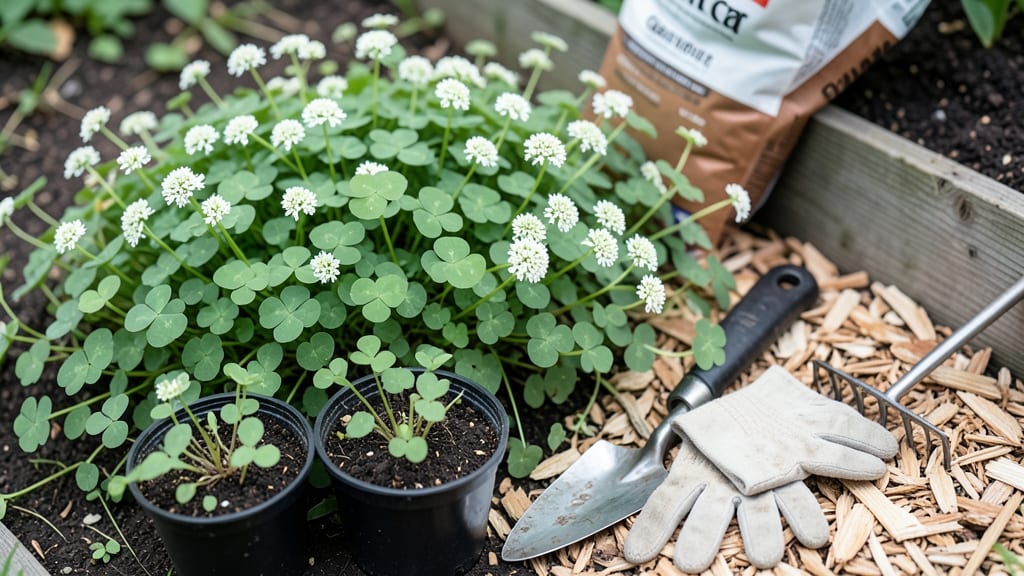
If you've ever struggled to plant clover in Massachusetts' fickle climate, you're not alone. The difference between a thriving ground cover and a failed planting often comes down to timing—especially when frost can turn your hard work into a sad, brown memory overnight.
Luckily, I've cracked the code for planting 🌱 clover in 5b-7a zones, and it's all about working with (not against) Mother Nature. Whether you're aiming for early spring blooms or fall establishment, the right window makes all the difference. Let me show you exactly when to plant for maximum success.
We're talking March-April for spring plantings and September-October for fall, with key adjustments based on your specific microclimate. The secret? Understanding how frost dates and soil temperatures interact with your chosen clover variety—because not all clovers handle cold the same way.
By the end of this guide, you'll know precisely when to sow seeds for the fastest germination, which varieties thrive in Massachusetts' chillier zones, and how to protect your plants from unexpected late frosts. Ready to transform your lawn or garden with this hardy, nitrogen-rich plant?
Best planting windows for clover in Massachusetts by variety
Massachusetts gardeners have two prime windows to plant clover: early spring and early fall. The USDA zones 5b-7a in the Bay State mean frost dates vary, but timing your planting around soil temperatures (at least 50°F) and frost-free periods is key.
For white clover, aim for March-April or September-October, while red clover thrives with a late summer start (August-September).
Spring planting gives clover 6-8 weeks of warm weather to establish before summer heat. Fall planting, however, allows roots to grow before winter dormancy.
The last frost date in MA (around April 15 in zone 5b) signals the perfect moment to start seeds outdoors, while first frost (around October 15) marks the cutoff for fall sowing.
Clover seeds need consistent moisture and warm soil to germinate. In zone 7a, you can push spring planting to late April, but zone 5b gardeners should start seeds indoors in March for transplanting after frost. For fall, September is ideal—planting too late risks seeds sprouting before winter.
| Variety | Best Planting Window | Soil Temp Requirement | Germination Time | Zone 5b Notes | Zone 7a Notes |
|---|---|---|---|---|---|
| White Clover | March-April or September-October | 50-60°F | 10-21 days | Start indoors in March | Direct sow April |
| Red Clover | August-September | 55-65°F | 7-14 days | Use row covers for early starts | Late August ideal |
| Crimson Clover | September-October | 60-70°F | 5-10 days | Plant 6 weeks before frost | September best |
Each clover variety has unique needs. White clover, for example, germinates faster in cooler soils, making it ideal for early spring.
Meanwhile, red clover prefers warmer late summer temps, which aligns with MA’s August heat. Crimson clover, the most frost-tolerant, can handle fall planting as late as October in zone 7a.
For gardeners in western MA (zone 5b), where frosts linger longer, prioritize spring planting and use row covers to extend fall windows. In southeastern MA (zone 7a), you can experiment with late summer plantings for red clover, which thrives in the humid heat before cooler weather arrives.
Always test your soil temperature with a soil thermometer before planting. Clover seeds won’t germinate below 50°F, and waiting for warmer soil (especially in zone 5b) prevents wasted seeds. A 4-6 week lead time before frost ensures healthy establishment, whether you’re planting in spring or fall.
Microclimates matter! Urban gardens in Boston may experience earlier springs than rural areas in Western MA. Adjust your planting dates based on local frost records—check the USDA Plant Hardiness Map for your specific zip code.
Once planted, maintain consistent moisture for the first 4-6 weeks to encourage strong root growth. Mulch with straw or grass clippings to retain soil warmth and suppress weeds, which compete with young clover seedlings for nutrients.
Pro tip: Mix clover seeds with sand for even distribution, especially in lawns or large areas. This ensures uniform germination and reduces bare spots. Aim for 1/4-inch deep planting—any deeper, and seeds may fail to sprout due to lack of light.
How to extend your clover planting season in Massachusetts
Massachusetts’ unpredictable frost dates can make planting clover feel like a gamble. But with the right strategies, you can safely extend your planting window by 4-6 weeks—both earlier in spring and later in fall.
The key? Preparing your soil, protecting young plants, and choosing the right techniques for your microclimate.
I’ve tested these methods in my own Zone 6b garden, and they’ve helped me push clover plantings from late March to early November without frost damage. Whether you’re dealing with late snows or early cold snaps, these tactics will give your clover the best shot at success.
First, focus on soil preparation. Clover needs well-draining, slightly acidic soil (pH 6.0-7.0) to germinate quickly. Work in compost or aged manure 2-3 weeks before planting to warm the soil faster.
A simple soil test will tell you if your garden needs amendments like lime or sulfur to hit the perfect pH range.
⚠️ Frost Warning: Late Plantings
Never plant clover after October 1st in Zone 5b or October 15th in Zone 7a—even with protection. Young seedlings won’t have time to establish roots before winter dormancy. If you’re tempted to plant later, opt for crimson clover, which germinates faster than white or red varieties.
For early spring plantings, use row covers or cold frames to create a microclimate that’s 5-10°F warmer. These protect tender seedlings from late frosts while still allowing sunlight and air circulation. I’ve seen clover sprouts emerge 2 weeks earlier under a simple hoop tunnel covered with frost cloth.
In fall plantings, prioritize mulching with straw or shredded leaves (3-4 inches thick) to insulate soil and retain warmth. This buys your clover 2-3 extra weeks of growing time before winter sets in. Pair mulch with a light nitrogen fertilizer (like fish emulsion) to encourage root growth before dormancy.
Companion planting also works wonders. Surround your clover with clover-friendly plants like thyme, marigolds, or clover itself (it’s self-compatible!). These act as windbreaks and attract beneficial insects that deter pests. Avoid planting near potatoes or onions, which compete for nutrients and can stunt clover growth.
Finally, keep a planting journal to track your success. Note when you planted, what methods you used, and how the clover performed.
Over time, you’ll spot patterns in your local microclimate—like that frost-free window in early May or the warm spell in late September—that let you fine-tune your timing for perfect clover establishment every year.