
Planting
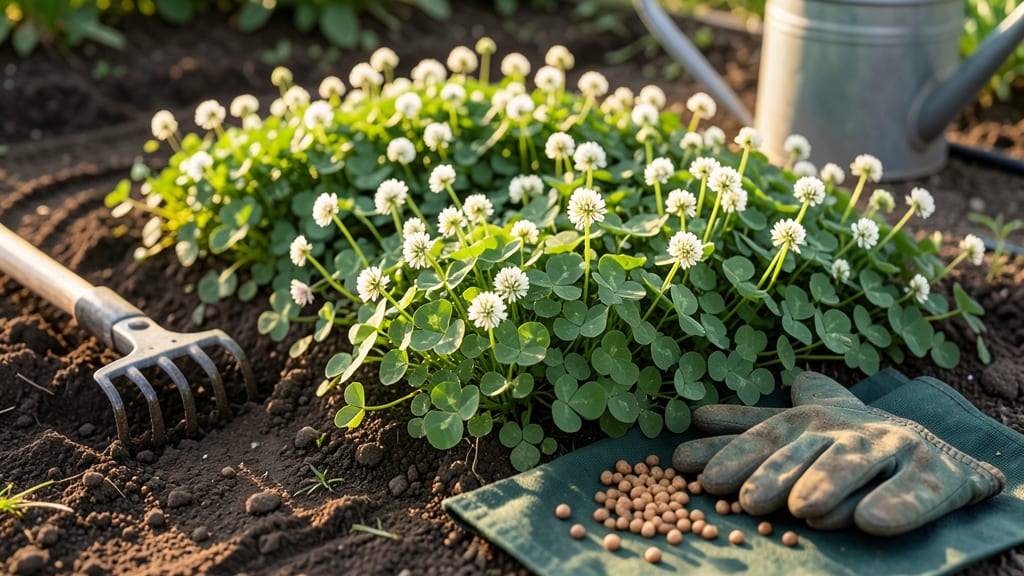
Deciding when to plant clover in your lawn can make the difference between a lush, vibrant lawn and months of waiting for those first green shoots to appear.
If you're in USDA Zone 6a, timing is everything—especially since clover thrives in cooler temperatures and needs the right conditions to germinate quickly.
Many gardeners assume they can plant clover anytime, but the truth is, early spring or early fall are your best bets for fast germination. Why? Because these windows give your seeds the ideal balance of moisture, warmth, and sunlight without the stress of extreme heat or frost.
Whether you're planting white, red, or micro clover, getting this right sets the stage for a lawn that stays green year-round.
I’ve tested this myself, and the results speak for themselves: clover planted in March or September in Zone 6a often germinates within 30 days, while late spring or winter plantings can leave you staring at bare soil for twice as long.
Let’s break down the science—and my proven tips—to help you choose the perfect moment for your lawn.
Ready to skip the guesswork? You’ll also discover how to prep your soil, avoid common mistakes, and keep your clover thriving once it’s in the ground. No more second-guessing—just a lawn that looks (and feels) like it was made for success.
Best months to plant clover in your lawn: spring vs fall comparison
Deciding between spring and fall planting for clover can feel overwhelming, but the right timing ensures fast germination and a lush lawn. Clover thrives when soil temperatures stay between 50°F and 75°F—ideal conditions that occur naturally in early spring and early fall.
Both seasons offer advantages, but your local climate plays a key role in determining which works best for you.
For most regions in the U.S. (USDA Zones 5-8), late March to early May and September to early October are the sweet spots. Spring planting gives clover a full growing season to establish, while fall planting allows it to root before winter dormancy.
Let’s break down the pros and cons of each to help you choose the best time for your lawn.
🌱 Clover Planting Comparison Table
| Factor | Spring Planting (March-May) | Fall Planting (September-October) |
|---|---|---|
| Best For | Warmer climates, fast establishment | Cooler climates, winter-hardy growth |
| Soil Temperature | 50°F–75°F (ideal for germination) | 60°F–70°F (roots establish before frost) |
| Germination Time | 7–14 days (with consistent moisture) | 10–21 days (slower due to cooling temps) |
| Weed Competition | High (weeds germinate early) | Low (weeds dormant in fall) |
| Watering Needs | High (frequent watering for establishment) | Moderate (rain often helps) |
| Best Clover Types | White clover (fast-growing), micro clover | Red clover (hardier in cold), Dutch white |
| Regions to Avoid | Drought-prone areas (May heat stress) | Late fall freezes (seeds won’t sprout) |
If you live in a warmer southern climate (Zones 9–10), spring planting is your best bet—clover can handle the heat once established. In cooler northern regions (Zones 3–5), fall planting gives clover a head start before winter.
Pro tip: Test your soil before planting; clover prefers slightly acidic to neutral pH (6.0–7.0).
Another key factor is clover variety. White clover germinates quickly in spring, making it ideal for quick lawn coverage, while red clover is more cold-tolerant and thrives in fall plantings. Micro clover, a newer variety, adapts to both seasons but requires consistent moisture to sprout.
Regardless of season, avoid planting in extreme heat or cold. If your last frost date is late April, wait until early May to plant. If your first frost hits mid-October, plant by early September.
Timing is everything—get it right, and you’ll see vibrant green clover in just a few weeks!
Once you’ve chosen your planting window, the next step is preparing your lawn. This includes mowing your grass short, testing soil pH, and ensuring good seed-to-soil contact. Don’t skip this step—proper prep means the difference between thin clover patches and a dense, lush lawn.
🌿 Ready to plant? Grab your clover seeds, a spreader, and let’s get growing!
How to prepare your lawn for clover planting: soil, weather, and prep tips
Preparing your lawn for clover planting is just as important as choosing the right time. If your soil isn’t ready, even the best seeds will struggle to germinate. Start by testing your soil pH—clover thrives in slightly acidic to neutral soil, ideally between 6.0 and 7.0.
You can grab a soil test kit from your local garden center or send a sample to a lab for precise results.
Once you know your pH, adjust it if needed. For acidic soil (below 6.0), sprinkle lime evenly across the lawn and water it in.
If your soil is too alkaline (above 7.0), mix in sulfur or peat moss to lower the pH. Give your soil 4-6 weeks to adjust before planting—this step can’t be rushed!