
Plants
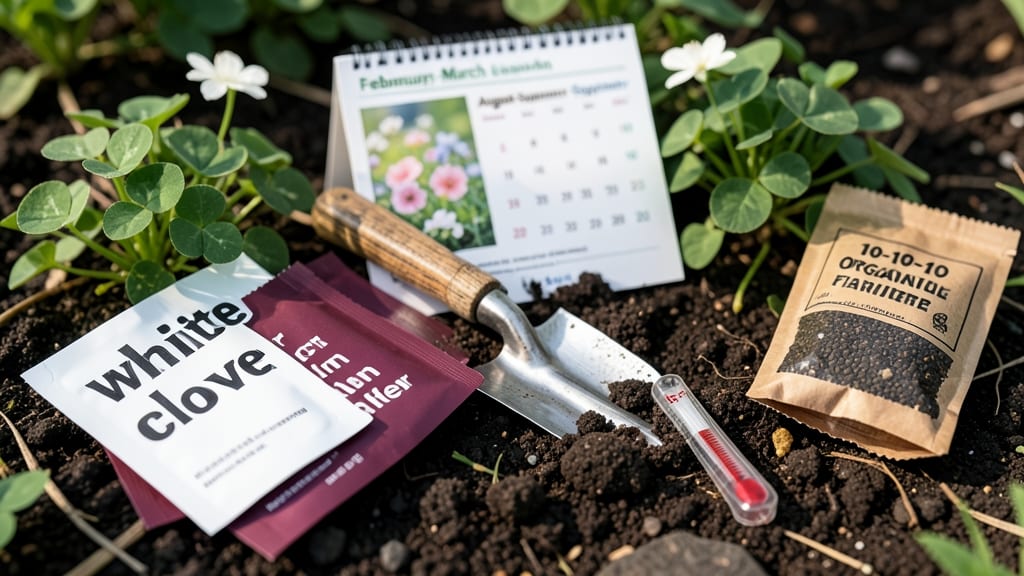
If you’ve ever struggled with patchy lawns or weeds choking your garden in Louisiana, clover might be the game-changer you’ve been missing—but when to plant clover in Louisiana is the key to success.
Planting this hardy 🌱 ground cover at the wrong moment can leave you staring at bare soil instead of a lush, low-maintenance carpet. The secret? Louisiana’s humid subtropical climate actually lets you plant clover twice a year, but the windows are narrower than you’d think.
Most gardeners in zones 8a-9b default to spring planting, but that’s only half the story. Late summer to early fall offers a second chance for clover to establish roots before winter’s mild chill sets in.
Whether you’re aiming for a pollinator-friendly lawn, a cover crop, or just weed suppression, knowing the exact months to act makes all the difference—especially when humidity and heat can turn seeds into mud soup if you’re not careful.
Here’s what I’ve learned after testing clover in Louisiana’s diverse microclimates: coastal areas play by different rules than the hill country, and urban heat islands demand even more precision.
We’ll break down the ideal planting months for your specific parish, plus pro tips to beat common pitfalls like soggy soil or late-season heat stress. Ready to transform your yard without the hassle?
Let’s dive into the two best windows for planting clover in Louisiana—and why skipping the calendar in favor of soil cues could save your seeds from failure. Spoiler: It’s not just about the date on your planner.
Louisiana clover planting calendar by region: coastal vs. north vs. hill country timing
Louisiana’s humid subtropical climate creates three distinct growing zones where clover thrives at different times. Whether you're in coastal parishes, the North Louisiana hills, or the central prairie regions, timing your planting to match your microclimate is key to avoiding patchy growth or frost damage.
Most gardeners focus on spring planting (February-March), but Louisiana’s mild winters also allow for fall plantings in many areas. The secret lies in understanding your last frost dates and soil temperature thresholds—both of which vary dramatically across the state.
Here’s how to match your planting window to Louisiana’s three primary regions, including the optimal soil temperatures (50°F+) and moisture conditions that trigger germination:
| Region | Primary Planting Windows | Soil Temp Threshold | Last Frost Date | Special Notes |
|---|---|---|---|---|
| Coastal (e.g., New Orleans, Lafayette) | Late August–September (fall) OR February–March (spring) | 50°F+ (sooner in fall) | Mid-February (varies by year) | Humidity speeds germination; watch for hurricane season delays |
| North Louisiana (e.g., Shreveport, Monroe) | March–April (spring only; fall too risky) | 55°F+ (cooler soils) | Late February–early March | Drier climate; needs extra irrigation after planting |
| Hill Country (e.g., Natchitoches, Ruston) | April (spring) OR September (fall, if mild) | 52°F+ (moderate) | Early March | Well-drained soils critical; avoid low-lying areas |
For coastal Louisiana, the fall window (August-September) is often overlooked but ideal for perennial clover varieties like Dutch white clover. The mild winters let roots establish before spring growth, while North Louisiana gardeners should avoid fall plantings entirely due to earlier frosts.
Pro tip: Use a soil thermometer to confirm readiness—50°F+ is non-negotiable for germination. In Hill Country, wait until April to sidestep late frosts that can kill tender seedlings.
Regardless of region, late summer (July-August) is your last chance to plant for a fall-greenup. This strategy works best with white clover, which handles Louisiana’s humidity better than red clover varieties.
Remember: Weed suppression is clover’s superpower, but only if planted at the right time. Miss the window, and you’ll spend the season battling crabgrass instead.
🌱
Clover variety planting secrets: which types demand early/late starts in Louisiana’s climate
Not all clover is created equal—and in Louisiana’s humid subtropical climate, choosing the wrong variety for your planting window can mean the difference between a thriving ground cover and a failed experiment. White clover, for example, plays by different rules than red clover or microclover, and each has its own ideal timing for Louisiana’s two planting seasons.
Let’s break down which varieties demand early starts, which thrive with late-season plantings, and the one variety that can be direct-sown in Louisiana’s rare winter windows.
For spring plantings (the most popular window), red clover and crimson clover are your best bets, as they germinate quickly in Louisiana’s warming soil. These varieties are also nitrogen-fixers, making them ideal for cover crops or lawn enhancements.
However, they’re annuals, so their window for establishment is narrow—typically between February and early April—before the heat of late spring sets in and stresses young seedlings.
| Variety | Best Planting Window | Louisiana Adaptation | Germination Hack |
|---|---|---|---|
| Red Clover | Feb–April (Spring) | Annual; thrives in cool season | Stratify seeds for 2 weeks |
| White Clover | Aug–Sept (Fall) or Feb (Spring) | Perennial; heat-tolerant | Pre-soak seeds overnight |
| Microclover | Nov–Jan (Winter) or Feb (Spring) | Drought-resistant; rare winter option | Plant with rye cover crop |
| Crimson Clover | Feb–March (Spring) | Fast-growing; ideal for cover crops | Plant 1/4 inch deep |
If you’re aiming for a perennial clover lawn or weed suppression, white clover is your go-to variety—but its planting window shifts dramatically. While it can be sown in early spring, it truly excels with a late summer to early fall planting (August to September).
This timing lets it establish roots before Louisiana’s mild winters, giving it a head start in spring growth. In fact, many Louisiana gardeners swear by fall plantings because the cooler temperatures reduce seedling stress, and the clover blooms earlier the following year.
Now, here’s the secret most Louisiana gardeners miss: microclover—the tiny, low-growing variety gaining popularity for lawns—can actually be direct-sown in Louisiana’s rare winter windows.
While most clover varieties struggle with Louisiana’s mild winters, microclover’s cold tolerance lets it germinate as early as November or even January in the hill country.
Pair it with a ryegrass cover crop for winter protection, and you’ll have a lush, weed-free lawn by spring without the hassle of spring planting.
Pro tip: If you’re planting red or crimson clover in spring, stratify your seeds for 2 weeks in a damp paper towel before sowing. This mimics Louisiana’s natural winter chilling period and can double your germination rates in the humid heat.
For white clover, pre-soaking seeds overnight in warm water softens the hard seed coat, helping them break dormancy faster in Louisiana’s heavy clay soils.
Remember, Louisiana’s microclimates can shift planting windows by weeks—so always check your soil temperature (aim for 50°F+) before committing to a seed drop. And if you’re in the coastal zone, where humidity lingers longer, err on the side of earlier plantings to avoid fungal issues.
The right variety + the right timing = a clover carpet that outlasts Louisiana’s heat and humidity.