
Plants
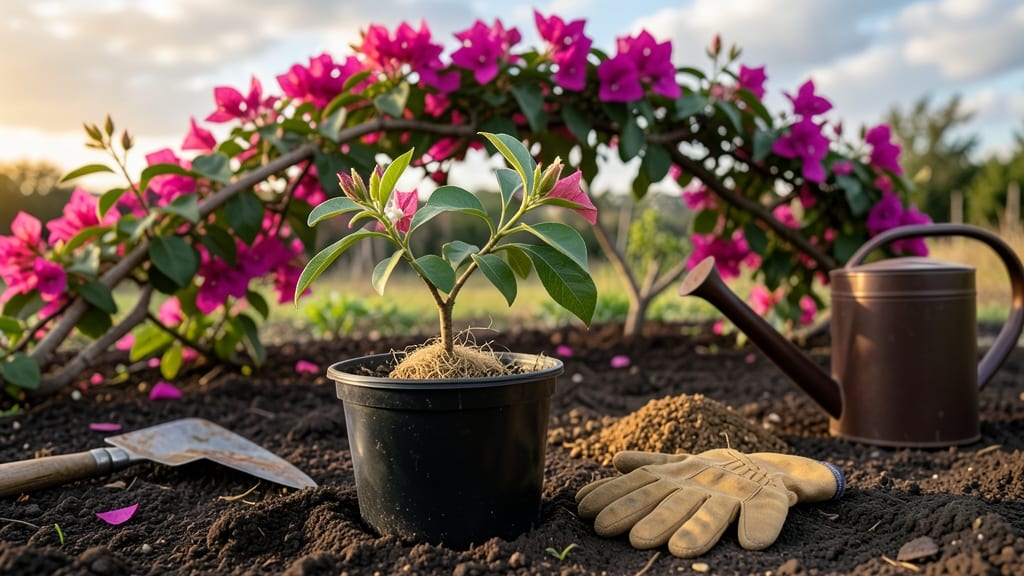
Planting your bougainvillea 🌺 at the wrong time in Arizona could mean the difference between a vibrant, blooming beauty and a struggling shrub that never quite thrives.
The key to year-round color lies in understanding when to plant—typically between November and March—when temperatures are cooler and the risk of frost is minimal.
With Arizona’s diverse microclimates, from the scorching low desert to cooler high-altitude areas, timing matters even more. Whether you're in Phoenix or Flagstaff, planting during these months gives your bougainvillea the best chance to establish strong roots before summer’s intense heat arrives.
But it’s not just about the calendar—soil prep and location are just as critical. Bougainvillea loves well-draining soil and full sun, but in Arizona’s desert conditions, you’ll need to adjust your watering routine to avoid overdoing it.
Let me walk you through the exact steps to plant and care for your bougainvillea so you can enjoy those stunning blooms all year long.
From avoiding summer heatwaves to pruning for continuous flowers, this guide covers everything you need to know to make your bougainvillea thrive in Arizona’s unique climate. Let’s get started!
Best months to plant bougainvillea in Arizona’s climate zones
Arizona’s diverse microclimates mean planting times vary dramatically from Phoenix to Flagstaff. In the low desert (like Tucson and Phoenix), temperatures can exceed 110°F in summer, making spring or fall the only safe windows. Meanwhile, high-altitude areas (like Flagstaff) experience cooler winters, allowing for slightly extended planting seasons.
For optimal growth, aim to plant your bougainvillea when daytime highs are consistently below 90°F and nighttime lows stay above 50°F.
This typically aligns with November through March for most of Arizona, but let’s break it down by region to avoid common mistakes that lead to plant stress or failure.
Here’s a quick reference for Arizona’s three key zones—low desert, mid-elevation, and high desert
In Phoenix and Tucson, the monsoon season (July–September) can trick gardeners into thinking it’s safe to plant. But the intense humidity and sudden downpours create root rot risks. Instead, wait until after the monsoons end—typically late September or October—when temperatures start to cool. This gives your bougainvillea’s roots time to establish before the scorching summer heat returns. For Flagstaff gardeners, the window is narrower due to cooler nights. Plant in late spring (May–June) when soil temperatures rise above 60°F, or opt for early fall (September) to avoid winter dormancy stress. High-altitude bougainvilleas often need extra winter protection, like burlap wraps or frost cloth, especially for young plants. One critical mistake I see often is planting bougainvillea in containers without drainage holes. In Arizona’s heat, waterlogged roots lead to root rot within weeks. Always use pots with drainage holes and a cactus/succulent mix to mimic the plant’s natural desert habitat. If planting in the ground, amend the soil with gravel or coarse sand to improve drainage. Pro tip: Acclimate your bougainvillea before planting. If you’re buying a potted plant in a nursery, move it outside for 1–2 weeks in a shaded area to harden it off. This reduces transplant shock when you finally plant it in your garden. For container growers, ensure your pot is at least 12 inches deep and 18 inches wide to accommodate the plant’s vigorous root system. Finally, mulch heavily after planting to retain moisture and regulate soil temperature. Use 3–4 inches of organic mulch (like straw or wood chips) around the base, but keep it away from the stem to prevent rot. This is especially important in low-desert areas where evaporation rates are high. With the right timing and soil prep, your bougainvillea will reward you with year-round blooms that thrive in Arizona’s harsh conditions. Just remember: cool seasons = best planting, and drainage = non-negotiable.
Zone
Best Planting Months
Soil Prep
Key Considerations
Low Desert (Phoenix, Tucson)
November–March
Amend with cactus soil mix + perlite for drainage
Avoid summer planting—heat stress kills roots
Mid-Elevation (Prescott, Sedona)
October–April
Add compost and sand for well-draining soil
Watch for light frosts—cover young plants if temps drop below 30°F
High Desert (Flagstaff)
May–June or September
Use gravelly soil to prevent waterlogging
Plant in south-facing walls for winter sun protection
Best months to plant bougainvillea in Arizona’s climate zones
Arizona’s diverse climate zones—from the low desert’s triple-digit summers to Flagstaff’s cooler high-altitude winters—dictate the perfect planting window for bougainvillea.
In the low desert (Phoenix, Tucson), aim for November through March to avoid summer’s brutal heat, while higher elevations (Flagstaff, Prescott) can plant slightly later, up to April, thanks to cooler temperatures.
The key is planting when soil temperatures drop below 85°F to help roots establish before summer stress hits.
Bougainvillea thrives in Arizona’s USDA Zone 9b, but microclimates matter. For example, Phoenix and Tucson experience frost-free winters, so you can plant year-round with caution, but November to February is ideal.
In contrast, Flagstaff’s Zone 7a requires waiting until late April or May to avoid late frosts, which can damage young plants. Always check your local last frost date—Phoenix rarely sees frost, while Flagstaff can drop to 20°F in winter.
Here’s a quick reference for Arizona’s key regions to ensure you plant at the optimal time:
| Region | Best Planting Months | Soil Prep Tip | Key Consideration |
|---|---|---|---|
| Phoenix/Tucson (Low Desert) | November–February | Amend with gravel for drainage | Avoid summer heatwaves (100°F+) |
| Sedona/ Prescott | February–April | Add compost for fertility | Watch for late frosts (after March 15) |
| Flagstaff (High Desert) | May–June | Use well-draining cactus mix | Plant after last frost (May 1) |
Soil preparation is non-negotiable in Arizona. Bougainvillea despises soggy roots, so mix native desert soil with 50% perlite or coarse sand to mimic its natural habitat. In clay-heavy areas (common in Tucson), raise beds or use containers to prevent waterlogging.
A slightly acidic to neutral pH (6.0–7.0) works best—test your soil and amend with lime if needed. Mulch with gravel (not organic mulch) to retain moisture while allowing airflow.
Location is just as critical as timing. Choose a south-facing spot with 6+ hours of direct sunlight—bougainvillea’s vibrant bracts (the colorful "flowers") need full sun to thrive. In Arizona’s intense light, afternoon shade can help young plants avoid sunburn during the hottest months.
If growing in containers, ensure pots have drainage holes and use a lightweight, fast-draining mix like cactus soil blended with perlite.
Once planted, focus on deep, infrequent watering to encourage strong root growth. In the low desert, water every 7–10 days in winter and every 10–14 days in summer, adjusting for heatwaves. Overwatering is the #1 killer of bougainvillea—let the soil dry completely between waterings.
With the right timing and care, your plant will reward you with year-round blooms that outshine even the desert sun.