
Plants
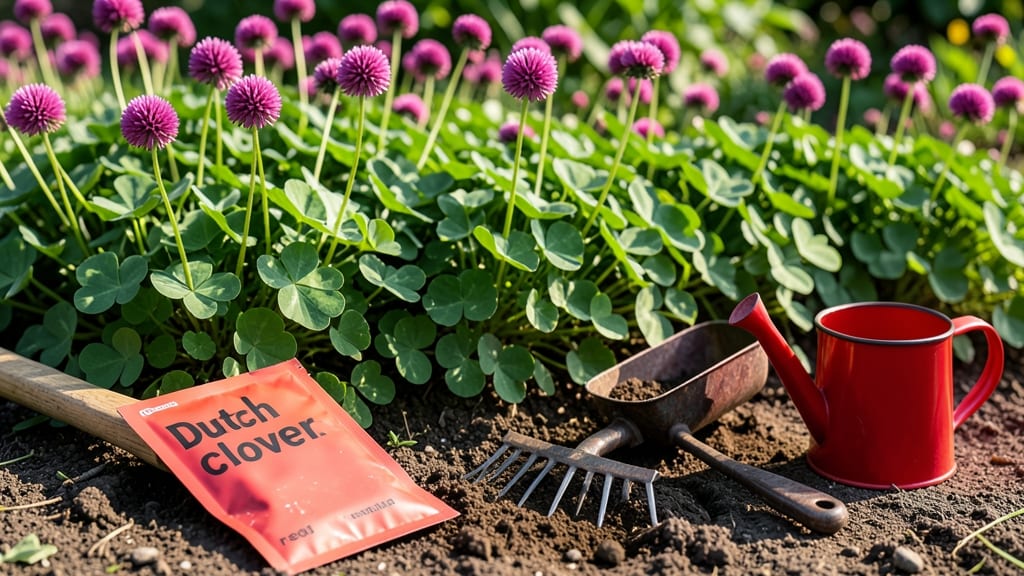
If you're ready to transform your Indiana lawn or pasture with clover, when to plant clover in Indiana is everything—but getting it wrong could mean wasted effort.
The state's 6a climate zone gives you two prime windows to plant this hardy perennial, and choosing the right one makes all the difference for thick, lush growth.
Most gardeners swear by early spring planting (March-April), when soil temperatures finally warm up after the last frost around April 15. But fall planting (September-October) offers its own advantages—like establishing roots before winter dormancy.
I'll break down which approach works best for your specific goals, whether you're restoring soil, creating pollinator-friendly ground cover, or simply reducing weeds.
What you'll discover is that Indiana's microclimates—from northern regions with shorter growing seasons to southern areas with milder falls—can shift the ideal planting window by weeks.
We'll cover soil prep secrets, frost timing tricks, and how to adapt for white clover vs. red clover varieties so you get the best results every time.
Let's cut through the guesswork and get your 🌱 clover off to the strongest possible start—no matter which season you choose to plant. Your future lawn (or pasture) will thank you for it.
Optimal Indiana clover planting seasons: spring vs fall breakdown
Indiana’s USDA Hardiness Zones 5-6 create unique challenges for clover planting, where timing is everything. The state’s variable frost dates (April 15 to October 15) and microclimates mean northern Indiana’s shorter growing season demands earlier spring planting, while southern Indiana can extend fall planting later.
Both seasons offer advantages—spring ensures summer establishment, while fall reduces summer stress and weeds.
For spring planting, aim for March to early April once soil temperatures hit 50°F (10°C) at 2 inches deep. This window aligns with Indiana’s last frost dates (typically late April) and gives clover 6-8 weeks of warm soil before summer heat arrives.
Northern Indiana may need to wait until mid-April due to cooler soils.
Fall planting, however, offers cooler soil and fewer weeds. Plant September to early October, allowing seeds to germinate before first frost (usually mid-October) but avoiding summer’s drought stress.
Southern Indiana can push planting to early November in mild years, while northern regions should finish by late September.
Soil temperature is the critical factor—clover seeds need 45-75°F (7-24°C) to germinate. Use a soil thermometer to confirm readiness. In Indiana, spring soil warms faster in southern counties (like Evansville) than in northern areas (like South Bend), so adjust your schedule accordingly.
Here’s how Indiana’s regional differences impact timing:
- Northern Indiana (Zones 5a-5b): Plant late April to early May for spring or late August to mid-September for fall.
- Central Indiana (Zone 6a): Ideal windows are March-April or September-October.
- Southern Indiana (Zone 6b): Extend to May for spring or October-November for fall.
| Factor | Spring Planting (March-April) | Fall Planting (September-October) |
|---|---|---|
| Best Soil Temp | 50-75°F (10-24°C) | 45-65°F (7-18°C) |
| Germination Time | 7-14 days | 10-21 days |
| Weed Competition | Moderate (spring weeds) | Low (cooler temps) |
| Water Needs | High (establishment) | Moderate (fall rains help) |
| Northern IN Window | Late April | Late Aug-Sept |
| Southern IN Window | March-April | Sept-Oct |
Both seasons have success rates over 85% when timed correctly, but fall planting often yields thicker growth by summer due to reduced weed pressure. For cover crops, fall planting is ideal—seeds establish roots before winter and suppress weeds early in spring.
For lawn mixes, spring planting ensures summer coverage.
Indiana’s clover varieties also influence timing:
- White clover germinates faster (7 days) and tolerates cooler soils—ideal for early spring or late fall.
- Red clover needs warmer soils (60°F+) and is better suited for late spring planting.
- Alsike clover thrives in moist soils and can handle early fall planting better than others.
Pro tip: Use a seed starter kit to test germination rates before full-scale planting. Indiana’s humidity levels (60-80%) can cause seed rot if soils stay too wet post-planting. Always ensure well-draining soil to avoid fungal issues. For large pastures, consider no-till drilling in fall to save time and moisture.
Remember, overseeding in late summer (August) is another option for repairing thin lawns. This mid-season boost gives clover 4-6 weeks to establish before winter. Just avoid planting when daily highs exceed 85°F (29°C), as seeds may dry out before germinating.
🌱
Optimal Indiana clover planting seasons: spring vs fall breakdown
Indiana’s USDA Hardiness Zones 5-6 create a unique challenge for clover planting, where timing can mean the difference between a lush ground cover and a failed patch.
The best planting windows are early spring and early fall, but regional microclimates—especially between northern and southern Indiana—shift those windows by 2-3 weeks. Let’s break down the ideal months, soil temperatures, and frost risks to help you choose the perfect time for your clover variety.
For spring planting, aim for March to early April in southern Indiana, but wait until mid-April in northern areas like Gary or Fort Wayne. This aligns with soil temperatures reaching 50°F (10°C), the threshold for successful germination.
Planting too early risks frost damage, while waiting too late may expose young clover to summer drought stress. Fall planting should occur 4-6 weeks before your first frost, typically late August to early October in southern Indiana and September to early October in the north.
| Factor | Spring Planting (March-April) | Fall Planting (September-October) |
|---|---|---|
| Ideal Soil Temp | 50-60°F (10-15°C) | 55-65°F (13-18°C) |
| Germination Time | 7-14 days | 10-21 days |
| Frost Risk | Moderate (late frosts) | High (early frosts) |
| Best For | Lawn mixes, pollinator support | Cover crops, erosion control |
| Indiana Region | South: March; North: April | South: Late Sept; North: Early Oct |
One of the biggest mistakes gardeners make is ignoring Indiana’s regional frost dates. For example, white clover thrives in cooler conditions, making it ideal for fall planting in northern Indiana, while red clover prefers warmer springs and may struggle if planted too early.
Always check your local USDA frost map—Indiana’s last spring frost averages April 15, but northern areas can see late frosts into May.
If you’re planting clover for pollinator support, early spring is ideal—bees and butterflies emerge as temperatures rise, and clover flowers provide critical early-season nectar. For soil restoration or cover crops, fall planting gives roots time to establish before winter, reducing spring erosion.
My personal preference? Fall planting in September offers a head start on weeds and a thicker stand by next spring.
Don’t overlook soil moisture during planting. Indiana’s spring can be dry, so water seeds lightly daily until germination. In fall, aim for 1 inch of rain per week to prevent drought stress. For northern Indiana, consider a light mulch after planting to retain moisture during cooler nights.
Timing isn’t just about months—it’s about microclimates. A south-facing slope in southern Indiana may warm up faster than a shaded valley in northern Indiana. Observe your yard’s unique conditions for 2-3 years before committing to a planting schedule.
With the right timing, your clover will establish quickly and outcompete weeds naturally.