
Plants
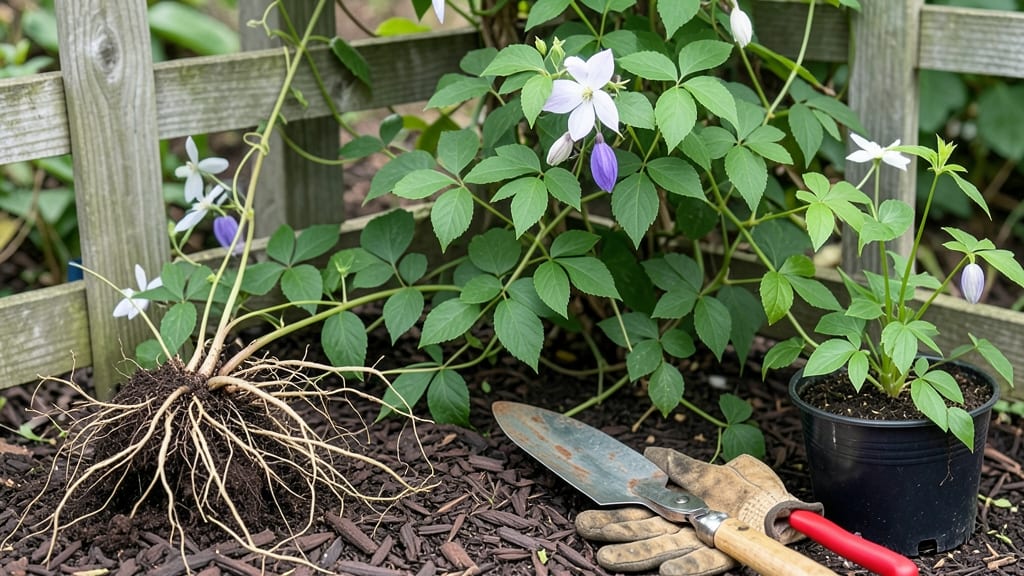
Timing your clematis planting in Ohio could mean the difference between a thriving vine 🌸 and a frost-killed disappointment. With Ohio’s 6a zone and unpredictable frost dates, knowing the exact windows for spring or fall planting is key to survival—and stunning blooms.
Most gardeners assume spring is the only option, but Ohio’s climate actually gives you two prime chances to plant clematis without risking frost damage.
Whether you’re working with heavy clay soil or container gardens, these timing strategies will help you avoid common mistakes that kill vines before they even take root.
In this guide, I’ll break down the ideal planting months for Ohio, how to prep your soil for success, and why late fall can sometimes be better than spring. Let’s get your clematis off to the right start—so you can enjoy those show-stopping blooms year after year.
Ready to transform your garden? The first step is choosing the right time—and I’ve got the exact timeline you need to make it happen without the guesswork.
Ohio’s ideal clematis planting windows: spring vs. fall timing explained
Ohio’s USDA Zone 5-6 climate means clematis planting timing is everything—get it wrong, and you risk frost damage or stunted growth. The best windows are early spring (after last frost) or early fall (4-6 weeks before first frost), but Ohio’s unpredictable frost dates (April 15 to October 15) demand precision.
Spring planting gives clematis 6-8 weeks to establish roots before summer heat, while fall planting lets roots harden before winter. Both methods work in Ohio, but fall planting is often preferred because it reduces transplant shock during hot summer months. Let’s break down the exact timing and why it matters.
🌱 Ohio’s Frost Dates by Region (Average Last/Frost Dates):
- Northern Ohio (Zone 5b): Last frost April 25, First frost October 10
- Central Ohio (Zone 6a): Last frost April 15, First frost October 15
- Southern Ohio (Zone 6b): Last frost April 5, First frost October 20
| Planting Window | Best Months | Soil Temp Threshold | Key Advantages |
|---|---|---|---|
| Spring Planting | April 20–May 15 | 50–55°F (10–13°C) | Longer growing season, avoids winter stress |
| Fall Planting | September 1–October 1 | 50–60°F (10–16°C) | Reduces transplant shock, roots harden before frost |
🌿 Pro Tip: Test soil temperature with a soil thermometer—plant only when temps consistently stay above 50°F.
Spring planting in Ohio requires patience—wait until after May 15 in most regions to avoid late frosts. If you plant too early, young roots may freeze and die, setting your clematis back by a full season.
For container-grown clematis, you can plant slightly earlier (mid-April) since pots warm faster.
Fall planting is my top recommendation for Ohio gardeners. By planting in early September, clematis roots establish before winter, and the plant enters dormancy stronger. Avoid planting after October 1, as new roots won’t harden in time for Ohio’s first frost (often by mid-October).
🌡️ Soil Temperature Matters More Than Calendar Dates: Clematis roots need 4–6 weeks to establish in 50–60°F soil. Use a soil thermometer to confirm readiness—planting when soil hits 55°F guarantees success, regardless of the month.
Ohio’s heavy clay soil can delay warming in spring, so amend with compost or peat moss to improve drainage. In containers, soil warms faster, letting you plant 2–3 weeks earlier than in-ground. Just ensure pots have drainage holes to prevent root rot during Ohio’s humid summers.
For fastest growth, choose fall planting in Ohio’s Zone 6a. Clematis planted in September often bloom earlier the following year because roots establish during the mild fall weather. Spring-planted clematis may take 1–2 years to reach full bloom potential.
If you miss both windows, don’t panic! Clematis can handle transplanting in early summer (June), but water deeply for the first 4 weeks to compensate for root stress. Mulch with 3–4 inches of straw to retain moisture and protect roots from Ohio’s temperature swings.
⏰ Remember: Ohio’s frost-free season is only 165 days—plan accordingly! Whether you choose spring or fall, timing is everything for clematis success in Ohio’s climate. 🌸
Ohio’s ideal clematis planting windows: spring vs. fall timing explained
Ohio’s USDA Zone 5-6 climate demands precise timing for clematis planting—too early and frost will damage tender roots, too late and roots won’t establish before winter.
The perfect windows are early spring (after last frost) or early fall (4-6 weeks before first frost), aligning with Ohio’s April 15 (last frost) and October 15 (first frost) averages.
Spring planting gives clematis 6-8 weeks to establish roots before summer heat, while fall planting allows roots to grow in cool soil without competing with summer’s demands. Both methods work, but fall planting often yields stronger first-year growth in Ohio’s climate.
Here’s how Ohio’s microclimates affect timing: Northern Ohio (Zone 5) should plant 2 weeks later than Southern Ohio (Zone 6) to avoid early frosts. Urban areas with heat islands may push spring planting slightly later.
| Factor | Spring Planting (Zone 5-6) | Fall Planting (Zone 5-6) |
|---|---|---|
| Ideal Window | April 15–May 15 | September 1–October 1 |
| Soil Temp | 50°F+ (consistent) | 55°F–65°F |
| Root Establishment | 6–8 weeks before summer | 4–6 weeks before frost |
| Ohio-Specific Tip | Mulch heavily after planting | Water deeply before first frost |
For container-grown clematis, Ohio gardeners can extend spring planting until June 1 since pots warm faster, but fall planting must still end by October 1 to avoid root rot in winter’s damp soil. Always check soil temperature—wait until it’s 50°F+ for spring or 55°F–65°F for fall.
Pro tip: Use a soil thermometer to confirm readiness—Ohio’s clay-heavy soil stays cold longer in spring and warms slowly. If soil is below 50°F, delay planting to prevent root rot.
Once planted, spring clematis will bloom in year 2, while fall-planted varieties often surprise with early year 1 blooms in Ohio’s mild winters. The key is consistent moisture—water deeply once a week until established.
Ohio’s late spring frosts (May–June) can damage new growth, so choose hardy varieties like ‘Jackmanii’ or ‘Niobe’ for resilience. Always plant near trellises or arbors to protect tender stems from wind and frost.