
Plants
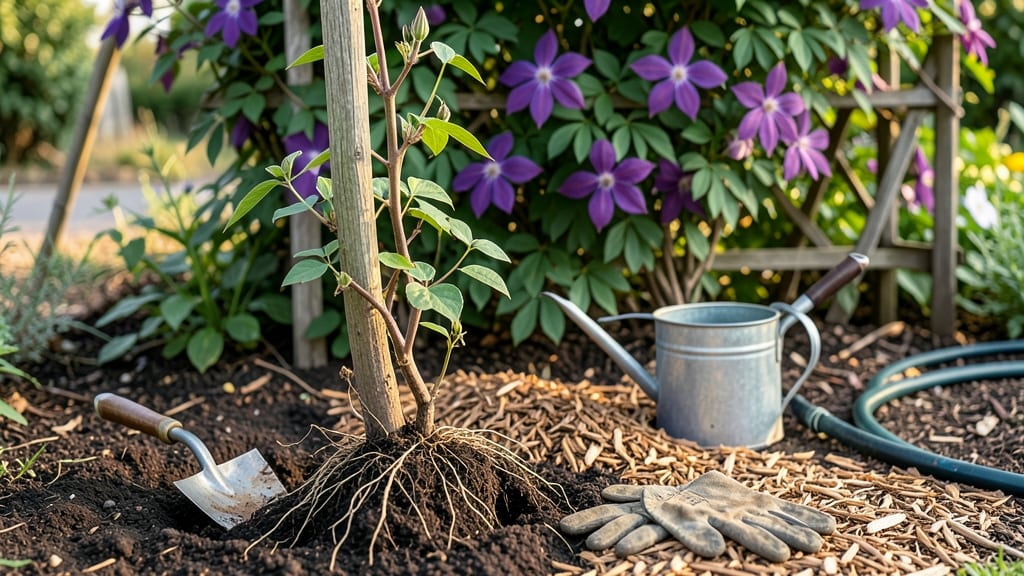
Timing your clematis planting in Zone 8 could make or break your vine's survival—especially when summer heat arrives. The key is getting those roots established 6-8 weeks before the real heat kicks in, giving your 🌸 clematis the best shot at thriving.
Plant too early, and you risk transplant shock; too late, and drought stress takes over.
For Zone 8 gardeners, the sweet spot is late winter to early spring, typically between March and April, when soil temperatures hover around 50–60°F. This window ensures your clematis has time to develop a strong root system before the scorching summer sun becomes a threat.
But what if your spring is unpredictable? There’s a second chance in fall planting, though it comes with risks. If you choose this route, you’ll need to harden off those roots and protect them from winter freezes—something Zone 8’s microclimates can make tricky.
Let’s break down the exact months, soil prep tips, and climate-specific tricks to give your clematis the best start. Whether you’re a first-time gardener or a seasoned pro, these insights will help you avoid common pitfalls and set your vine up for a stunning display.
Ideal planting months for clematis in Zone 8 to avoid summer stress
Planting clematis in Zone 8 requires precise timing to beat the heat—aim for late winter to early spring when soil temperatures hover between 50–60°F. This 6-8 week cooling period before summer’s intensity helps roots establish before drought stress sets in.
In Zone 8, the ideal window spans March through early April, right after the last frost (typically mid-March) but before soil warms beyond 65°F. Coastal areas may push planting slightly later due to milder microclimates, while inland regions should plant earlier to escape summer’s peak heat.
Why this timing? Clematis roots are sensitive to heat shock. Planting too early risks frost damage, while planting too late exposes young roots to Zone 8’s brutal summer drought—both scenarios stunt growth. The key is giving your vine 60 days of cool weather to anchor before temperatures climb.
The second-best window is late summer (August–early September), but this requires extra care to harden roots before winter. We’ll cover this fall planting strategy later—it’s riskier but viable with the right prep.
For Zone 8 gardeners, the March–April window is non-negotiable for most varieties. Start by testing soil temperature with a soil thermometer—if it’s above 60°F, delay planting until conditions cool. Pro tip: Plant on a cloudy day to reduce transplant shock from afternoon sun.
Microclimates matter! Coastal Zone 8a areas (e.g., San Francisco) can plant 2–3 weeks later than inland Zone 8b (e.g., Phoenix). Check your last frost date and add 6–8 weeks to pinpoint your exact window.
Once you’ve nailed the timing, soil prep is critical. Clematis roots need well-draining, slightly acidic soil (pH 6.0–7.0). Amend heavy clay with compost or sand to prevent waterlogging—a common killer in Zone 8’s summer downpours. Mix in bone meal for phosphorus to boost early root growth.
After planting, mulch heavily (3–4 inches) with wood chips or straw to retain moisture and regulate soil temperature. Water deeply but infrequently—aim for 1–2 gallons per week—to encourage deep root development before summer’s heat arrives.
Remember: Clematis roots hate heat stress. If you miss the spring window, your next best option is fall planting with root protection, but this requires careful planning to survive Zone 8’s winter chill. We’ll dive into that strategy next.
Ideal planting months for clematis in Zone 8 to avoid summer stress
Clematis thrives when planted during Zone 8’s mildest periods, giving roots time to establish before summer’s intense heat. The primary window is late winter to early spring, specifically March through April, when soil temperatures are ideal.
This timing ensures your vine avoids transplant shock and drought stress, both of which can stunt growth in Zone 8’s hot summers.
Why these months? Clematis needs a 6-8 week cooling period after planting to develop a strong root system. Planting too early (like January) risks frost damage, while planting too late (May onward) exposes young roots to scorching temperatures and insufficient rainfall.
Zone 8’s average last frost date is around March 15, making late March the safest bet for most gardeners.
For coastal Zone 8 regions, where summers are milder, you might extend planting into early May. However, inland areas should stick to March-April to avoid the 100°F+ heat that can overwhelm newly planted clematis.
Always check your local microclimate—urban areas heat up faster than rural spots, so adjust accordingly.
| Planting Window | Key Considerations | Soil Temp Range |
|---|---|---|
| Late Winter (Feb) | Risk of frost; best for early bloomers | 45–50°F |
| Ideal: March-April | Balanced temps; minimal stress | 50–60°F |
| Early May (Coastal Only) | Higher risk of heat stress inland | 60–65°F |
🌱 Pro Tip: Test soil temp with a thermometer—aim for 55°F+ for best root growth.
If you’re planting in containers, the timing is slightly more flexible since pots warm up faster. However, container-grown clematis still needs 6 weeks of mild weather before summer. Use black plastic mulch in early spring to warm soil faster if needed, but avoid it if late frosts are possible.
For gardeners in Zone 8a (colder microclimates), prioritize March planting to avoid early spring frosts. In Zone 8b (warmer areas), you can push to April safely. Always monitor local weather forecasts—unpredictable spring rains or heatwaves can disrupt ideal conditions, so be ready to adjust your timeline.
Once you’ve nailed the timing, focus on soil prep and location. Clematis roots thrive in well-draining, slightly acidic soil (pH 6.0–7.0) with morning sun and afternoon shade. Pair this with a sturdy trellis installed before planting—clematis vines can grow 8–20 feet tall, so support is non-negotiable.