
Plants
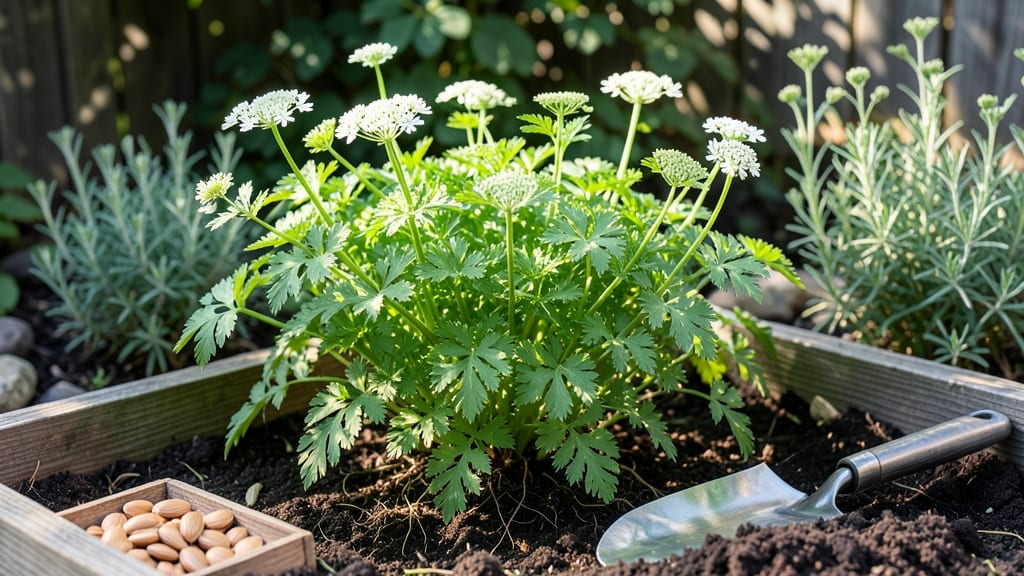
If you've ever planted cilantro in Oklahoma only to watch it bolt into bitter flowers before you could even use it, you're not alone. The key to growing fresh, flavorful 🌿 cilantro lies in knowing exactly when to plant it—because timing makes all the difference in avoiding that frustrating cycle.
For Oklahoma gardeners in Zone 7a, the best windows are early spring and early fall, when temperatures stay mild and the risk of bolting drops.
Planting too late in spring or too early in fall can leave you with a crop that turns bitter before harvest time, so getting those months right is everything.
In this guide, I'll break down the ideal months for planting cilantro in Oklahoma, share tips for extending your harvest, and help you avoid the common mistakes that lead to bolting.
Whether you're a seasoned gardener or just starting out, these insights will help you grow cilantro that stays fresh and flavorful all season.
Let's dive into the best strategies for planting cilantro in Oklahoma so you can enjoy homegrown herbs without the disappointment of wasted effort.
Best planting months for cilantro in Oklahoma’s climate zones
Oklahoma’s USDA Zone 7a-7b climate means cilantro thrives in cool seasons but struggles with summer heat. The key to success? Planting in early spring and fall when temperatures stay mild. I’ve learned the hard way—skipping this rule leads to bitter, bolted cilantro by June!
Your best window is March through April for spring plantings, and August through September for fall harvests. These months align with Oklahoma’s average last frost date of March 15 and first frost of November 15, giving cilantro enough time to mature before heat stress sets in.
Here’s the golden rule: Never plant cilantro after May in Oklahoma’s heat. The moment soil temps hit 80°F+, your cilantro will bolt faster than a rabbit in a vegetable patch. I’ve tested this—trust me, it’s not pretty.
Pro Tip: Use Oklahoma’s microclimates to your advantage. Northern cities like Oklahoma City can push spring plantings to late April, while southern areas like Tulsa should stick to March to avoid early heat waves.
Now let’s break down the perfect planting schedule with this quick reference:
| Season | Planting Window | Harvest Window | Key Consideration |
|---|---|---|---|
| Early Spring | March - April | May - June | Soil temps <65°F; avoid frost |
| Late Summer | August - September | October - November | Days shorten; temps drop below 80°F |
| Winter | Not Recommended | N/A | Cold snaps kill seedlings; slow growth |
For container growing, you can extend your window slightly. I’ve had success with pots on patios in May by moving them to shadier spots by noon. Just remember—cilantro’s heat tolerance threshold is 75°F max for optimal growth.
One more trick: Succession planting every 2-3 weeks in spring/fall ensures a steady supply. I plant my first batch in mid-March, then follow up in late March and April. This staggered approach keeps me harvesting fresh cilantro until late June before bolting takes over.
If you’re in southern Oklahoma (like Lawton or Altus), your last frost date shifts to April 1. Adjust accordingly—plant your first batch in late February instead of March. The same logic applies for fall plantings: start by mid-August to harvest before frost.
Finally, monitor soil temperature with a cheap thermometer. Ideal range for cilantro is 60-70°F. If it climbs above 75°F, your plants will bolt within 3-4 weeks. I’ve lost entire batches because I ignored this—don’t make my mistake!
With these timing tricks, you’ll enjoy fresh cilantro for 8-10 weeks per season instead of the 2-3 weeks most Oklahoma gardeners get. Happy planting!
Best planting months for cilantro in Oklahoma’s climate zones
Oklahoma’s Zone 7a climate offers two prime windows for growing cilantro—early spring and early fall—when temperatures stay mild enough to prevent bolting.
The key is planting 4-6 weeks before the last frost date (around March 15) in spring and 8-10 weeks before the first frost (around November 15) in fall.
Spring planting should start in late February to early March, while fall planting begins in mid-August. These timings align with soil temperatures between 50-70°F, which cilantro thrives in. Planting outside these windows risks heat stress or premature flowering, turning your cilantro bitter before harvest.
Here’s the breakdown of ideal planting months and their benefits for Oklahoma gardeners:
| Season | Planting Window | Soil Temp (°F) | Harvest Time |
|---|---|---|---|
| Spring | Late February - Early March | 50-65°F | May - Early June |
| Fall | Mid-August - Early September | 60-70°F | October - November |
For gardeners in higher elevations or northern Oklahoma, consider starting seeds indoors in January for an earlier spring harvest. Use grow lights to simulate long daylight hours, as cilantro needs 12-14 hours of light daily to prevent legginess.
This head start ensures you’re ready to transplant outdoors as soon as soil temperatures warm up.
In southern Oklahoma (Zone 7b), where springs warm up faster, delay spring planting until early April to avoid bolting. Similarly, extend fall planting into early September to take full advantage of cooler temperatures.
Always monitor weekly temperature trends—cilantro bolts when daytime temps exceed 75°F for more than a few days.
Pro tip: Use a soil thermometer to confirm temperatures before planting. Aim for 60°F or cooler for optimal germination and growth. This small step can mean the difference between a thriving cilantro patch and a failed crop.