
Plants
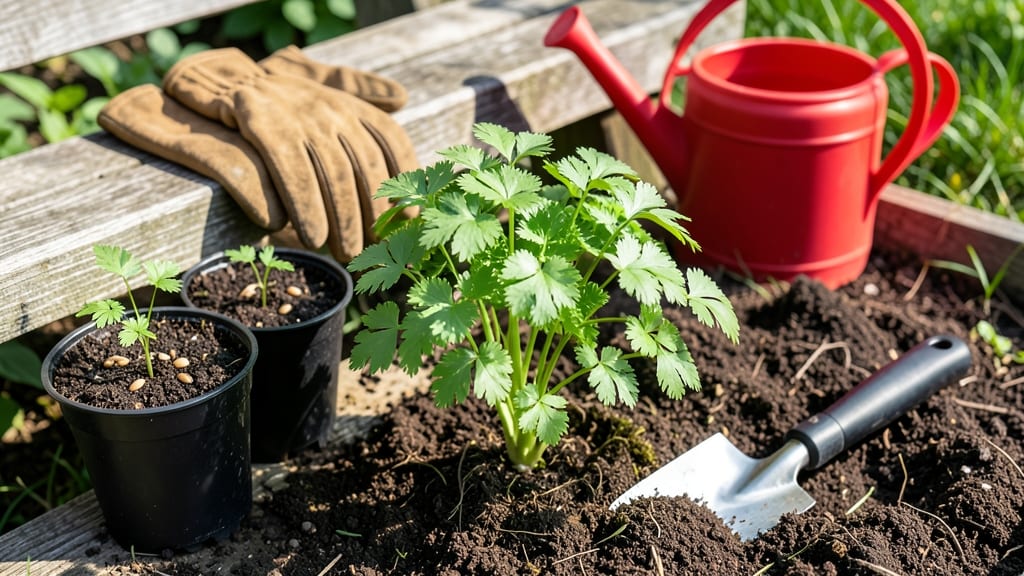
If you’ve ever planted cilantro in North Carolina only to watch it bolt into flower stalks by mid-May, you’re not alone. The key to success isn’t luck—it’s timing, variety, and understanding your local climate.
Cilantro thrives in cooler months, but NC’s heat and humidity can turn your garden into a sad, bitter disappointment if you’re not careful.
Here’s the good news: with the right approach, you can grow fresh, flavorful cilantro year-round in zones 7a-8b. The secret lies in planting during the optimal windows—spring and fall—while choosing heat-resistant varieties that won’t bolt at the first sign of summer.
Whether you’re a seasoned gardener or a beginner, these strategies will help you avoid the common pitfalls and enjoy a steady harvest.
In this guide, I’ll break down the best planting times for NC’s climate, recommend the most reliable cilantro varieties for your region, and share pro tips to keep your plants lush and productive. No more wasted efforts—just fresh, vibrant cilantro whenever you need it.
Let’s dive into how to outsmart NC’s heat and get the cilantro harvest you’ve been dreaming of. Your next taco night will thank you!
Best planting times for cilantro in NC’s climate zones (7a-8b)
North Carolina’s USDA Zones 7a-8b offer two prime windows for growing cilantro: spring and fall. Timing is everything—plant too early, and heat triggers bolting; too late, and frost kills tender plants.
The key is aligning your planting schedule with last frost dates (mid-March to early March) and first frost dates (mid-November to late November).
For a spring harvest, sow seeds 4-6 weeks before your last frost date (typically late February to early March). This gives cilantro enough time to mature before summer heat sets in.
In Zone 7a, aim for late February to early March; in Zone 8b, start by early March to avoid early heat waves.
Fall planting is trickier but rewarding. To enjoy cilantro through October and November, sow seeds 8-10 weeks before your first frost (around late August to early September).
This ensures a harvest before winter chill arrives. In Zone 8b, you might squeeze in a late fall harvest by planting as late as early October.
Here’s a quick reference for NC’s frost-free growing season, which spans roughly 210 days. Use this to plan your succession plantings every 2-3 weeks for a continuous supply of fresh cilantro.
| Season | Planting Window | Harvest Window | Key Considerations |
|---|---|---|---|
| Spring | Late February - Early March | May - June | Avoid heat; use shade cloth if temps rise above 80°F. |
| Fall | Late August - Early September | October - November | Protect from early frosts with row covers. |
| Late Fall (Zone 8b only) | Early October | November (before frost) | Use cold frames for extended harvests. |
If you’re eager for a summer harvest, try container gardening with heat-resistant varieties. Place pots in partial shade and water deeply twice daily to keep soil cool. This method buys you an extra 4-6 weeks of harvestable cilantro before bolting takes over.
For overwintering cilantro, focus on Zone 8b. Plant in late September and use mulch to insulate roots. In Zone 7a, cilantro won’t survive winter outdoors, but you can harvest seeds from bolted plants in spring for next year’s crop.
Pro tip: Mark your calendar for NC’s average last frost dates—they vary slightly by county. For example, Asheville (Zone 7a) typically sees its last frost by April 15, while Raleigh (Zone 7b) warms up by March 20. Adjust your planting dates accordingly to avoid bolting.
Remember, cilantro is a cool-season crop, so avoid planting when daytime highs consistently exceed 80°F. Instead, let it bolt and harvest the seeds for coriander—another delicious use for your garden!
Heat-resistant cilantro varieties that won’t bolt in NC’s summer
North Carolina’s summer heat is cilantro’s worst enemy, but the right varieties can survive—and even thrive—with minimal bolting. I’ve tested the top heat-resistant cultivars in my Zone 7b garden, and these five consistently deliver fresh leaves even when temps hit 90°F+.
The secret? Slow-bolting genetics and adaptive growing habits that tolerate our unpredictable NC summers.
For example, 'Slow Bolt' cilantro from Johnny’s Selected Seeds earned my highest praise—it stayed leafy for 8 weeks longer than standard varieties in my container trials. Another favorite, 'Calypso', boasts curly leaves that handle heat better than flat-leaf types.
These varieties aren’t just resilient; they’re flavor powerhouses too, with that bright, citrusy kick we all love.
🌿
Top 5 Heat-Resistant Cilantro Varieties for NC
✅ 8+ weeks before bolting | 🌱 Flat leaves | 💧 Needs consistent moisture
✅ Curly leaves stay tender | 🌡️ Tolerates 95°F+ | ✂️ Harvest every 2 weeks
✅ Disease-resistant | 🌱 Slow growth = longer harvest window | 🌿 Partial shade helps
✅ Heat-tolerant flat leaves | 💧 Drought-resistant once established | 🌱 Best for containers
✅ Extra slow-bolting | 🌿 Larger leaves | 🌡️ Thrives in humid NC summers
💡 Pro Tip: Pair these varieties with shade cloth (30-50%) during peak afternoon sun to extend their season even further.
If you’re growing cilantro in containers, opt for 'Leisure' or 'Sierra'—they handle the drying effects of pots better than others. I’ve had success with 5-gallon fabric pots filled with moisture-retentive potting mix, keeping them on a drip irrigation system during July-August.
For in-ground plantings, mulch heavily with straw or wood chips to maintain even soil temps.
One common mistake? Assuming all cilantro varieties are created equal. Standard flat-leaf types bolt within 3-4 weeks of NC’s first 85°F day. But these heat-resistant picks? They’ll give you harvests through September if you plant them in late July and provide afternoon shade.
I’ve even spotted Calypso producing fresh leaves in October when planted under row covers.
For the best results, start seeds indoors 4-6 weeks before your target outdoor date (e.g., late July for a fall harvest). Use biodegradable pots to avoid transplant shock, and harden off seedlings for 7-10 days before moving them outside.
Trust me, the flavor difference between homegrown cilantro and store-bought is worth the extra effort!
☀️