
Plants
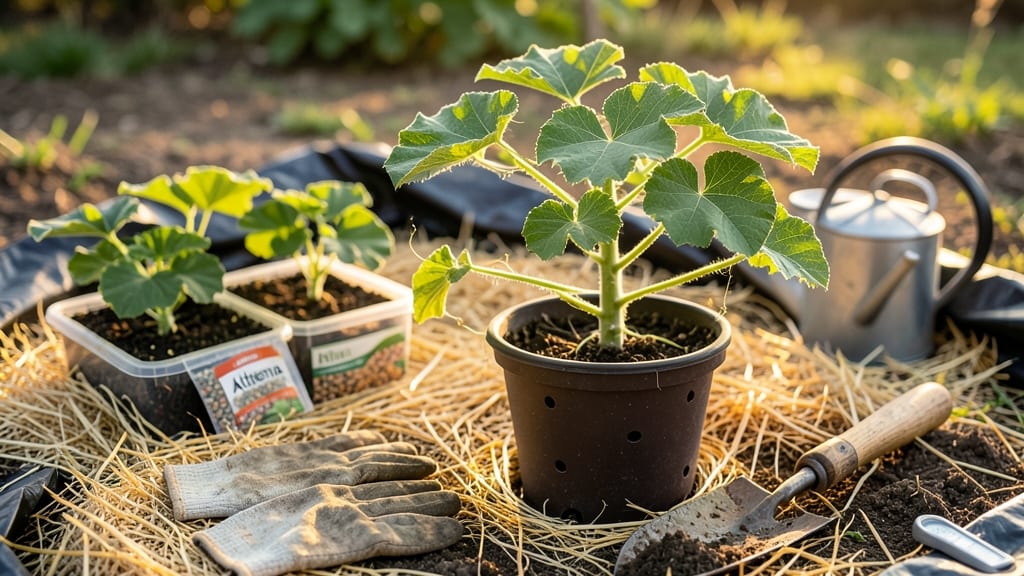
Best planting timeline for cantaloupe in Zone 9b’s hot climate
Zone 9b’s extreme heat makes cantaloupe planting timing critical—plant too early, and your vines bolt; too late, and summer’s intensity stunts fruit development. The sweet spot? Late February to early April, when soil temperatures hit 70°F+ and nighttime lows stay above 55°F.
This schedule aligns with Phoenix’s and Southern California’s microclimates, where desert heat ramps up by May.
Cantaloupes thrive on consistent warmth, but Zone 9b’s 100°F+ days can stress young plants. The key is to time your planting so vines establish roots before the peak heat of June and July.
A 60-75 day harvest window means your fruit should ripen by early summer, avoiding the harshest midday sun.
For maximum yield, I recommend two planting windows: the primary window in late February to March and a secondary window in early September for a fall harvest.
The second window works because Zone 9b’s cooler autumn nights (below 80°F) reduce heat stress while still allowing 60-70 days of growth before winter sets in.
Always check soil temperature with a soil thermometer—cantaloupes won’t germinate well below 70°F. In low-desert areas like Yuma, soil heats up faster; aim for early March planting. In cooler coastal Zone 9b spots like Santa Barbara, late February is safer.
| Stage | Action | Key Consideration |
|---|---|---|
| Soil Prep | Test soil pH (6.0-6.8), amend with compost | Zone 9b soils often lack organic matter |
| Planting Window | Late Feb - Early Apr (or Sep for fall crop) | Avoid 100°F+ soil temps |
| Germination | Keep soil 70-90°F with shade cloth if needed | Seeds rot in >95°F soil |
| Vine Establishment | Mulch with straw to retain moisture | Prevents bolting from heat stress |
| Fruiting Phase | Water deeply morning/evening (1-2 inches/week) | Avoid fruit cracking from uneven water |
| Harvest | Pick when stem slips easily (60-75 days) | Zone 9b’s heat speeds ripening |
If you’re planting in containers, start seeds 4-6 weeks earlier indoors (by January) to account for slower soil warming. Containers dry out faster in Zone 9b’s sun, so use self-watering pots and drip irrigation to maintain even moisture.
Watch for false starts—Zone 9b’s unpredictable spring rains can delay planting. If showers cool soil below 65°F, cover seeds with a clear plastic dome to trap heat. I’ve seen cantaloupe seeds take 10+ days to germinate in these conditions, compared to 3-5 days in ideal warmth.
For urban gardeners with limited space, trellising cantaloupes saves room and improves air circulation. Plant near south-facing walls to maximize heat absorption, but avoid black plastic mulch—it can overheat soil to 120°F+, killing young roots. Instead, use straw mulch or white landscape fabric to reflect excess heat.
Pro tip: Mark your calendar for the last expected frost date (though Zone 9b rarely sees frost, 32°F+ lows can occur in high desert areas). Even a light frost will kill cantaloupe vines, so always have a row cover ready if planting near elevated areas like mountainsides.
Remember, patience is key—rushing planting in Zone 9b’s heat often leads to bitter, seedy fruit or poor yields. Stick to the late winter schedule, and you’ll enjoy sweet, juicy cantaloupes by June—just in time to beat the hottest months. 🌱
Best planting timeline for cantaloupe in Zone 9b’s hot climate
Zone 9b’s scorching summers make timing your cantaloupe planting critical. Plant too early, and your vines bolt before fruiting. Too late, and heat stress stunts growth. The ideal window is late February to early April, when soil warms to 70°F+ and nighttime temps stay above 55°F.
This schedule ensures vines establish roots before summer’s peak intensity.
In Zone 9b, soil temperature is more important than air temperature. Use a soil thermometer to confirm 70°F+ before planting. If your soil heats up faster (like in desert areas), start seeds indoors in early February and transplant outdoors by mid-March.
Coastal Zone 9b areas may wait until late March due to cooler microclimates.
Here’s your month-by-month planting guide for Zone 9b:
| Month | Action | Soil Temp | Notes |
|---|---|---|---|
| February | Start seeds indoors or sow in warm microclimates | 60°F+ | Use black plastic mulch to warm soil faster |
| March | Transplant seedlings outdoors or direct-sow | 70°F+ | Wait until nighttime temps stay above 55°F |
| April | Final transplant window; avoid late sowing | 75°F+ | After April, heat stress increases risk of bolting |
| May | Focus on care, not new planting | 80°F+ | Provide afternoon shade if temps exceed 95°F |
For fall planting, Zone 9b’s short season limits options. If you attempt it, sow seeds in late August for a September-October harvest before winter rains arrive. However, yields are typically 50% lower than spring plantings due to shorter daylight and cooler nights.
Pro tip: Monitor your local weather for sudden heatwaves. If daytime temps hit 100°F+ before vines are established, provide drip irrigation and shade cloth (30-50%) to prevent stress. Cantaloupes need consistent moisture but hate soggy roots—aim for 1-2 inches of water weekly, delivered early in the day.
Remember, Zone 9b’s heat is a double-edged sword. While it speeds up growth, it also accelerates bolting (premature flowering) and fruit sunburn. By planting in late winter/early spring and choosing heat-resistant varieties, you’ll beat the worst of summer’s intensity and enjoy sweeter, larger melons before the heat peaks.