
Plants
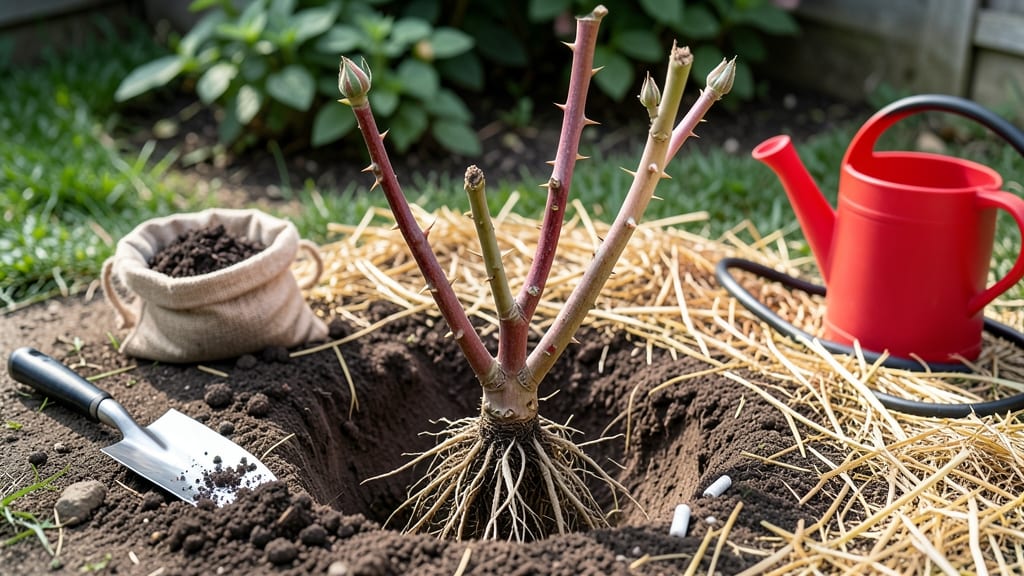
Planting roses in Arizona isn’t just about picking the right 🌹—it’s about mastering the perfect timing to beat the brutal heat and ensure those delicate blooms take root.
With USDA Zone 9b conditions, most gardeners assume spring is ideal, but the truth is, Arizona’s summer sun can fry even the hardiest varieties before they get a chance to thrive.
That’s why the best time to plant roses in Arizona actually falls between November and March, when temperatures dip below 85°F and the soil stays cooler. This window gives your roses the fighting chance they need to establish roots before the scorching summer months arrive.
Whether you’re planting in-ground or containers, understanding these seasonal cues is the key to avoiding transplant shock and maximizing bloom potential. I’ll walk you through the exact months, heat-resistant varieties, and soil prep tricks that make all the difference in Arizona’s desert climate.
Ready to transform your garden into a year-round rose paradise? Let’s dive into the science—and the secrets—behind planting roses the right way in the Grand Canyon State.
Optimal planting windows for Arizona roses: exact months & temperature guidelines
Arizona’s desert climate creates a unique challenge for rose gardeners—timing is everything. Unlike cooler regions, roses here must be planted to avoid 100°F+ soil temperatures that fry roots. My go-to window is November through March, when cooler temps and occasional rains set the stage for success.
But why these months? Fall planting (November–December) lets roses establish roots before winter, while winter planting (January–February) avoids summer’s brutal heat. Even March can work in cooler high-desert areas like Flagstaff, but Phoenix gardeners should plant by mid-March to beat the heat.
Here’s the critical rule: Never plant when soil temps exceed 85°F. Use a soil thermometer—if it’s hotter than a summer sidewalk, wait. Transplant shock in Arizona’s heat is real, and roses can wilt faster than you can say “pruning shears.”
🌹
| Planting Window | Ideal Air Temp (°F) | Soil Temp (°F) | Key Considerations |
|---|---|---|---|
| November–December (Fall) | 50–70°F | 60–75°F | Cooler temps, minimal evaporation; roots establish before summer. |
| January–February (Winter) | 40–60°F | 50–65°F | Avoid frost pockets; mulch heavily to protect roots. |
| March (Early Spring) | 60–80°F | Below 85°F | High desert only; Phoenix gardeners must plant by mid-March. |
| October (Late Fall) | 70–85°F | 70–80°F | Risky in low desert; best for high elevations like Sedona. |
| April–September (Avoid) | 90°F+ | 90°F+ | Transplant shock guaranteed; roots cook in heat. |
For container-grown roses, timing shifts slightly—you can plant bare-root roses as late as early April in cooler zones, but potted roses need the same cool-soil rule. Pro tip: Soak container roots for 10–15 minutes before planting to reduce shock.
Microclimates matter! Phoenix and Tucson gardeners should stick to November–February, while Flagstaff and Prescott can extend to March or April. Check your USDA Zone 7b–10a—higher elevations have cooler soil and longer planting windows.
One common mistake? Planting in summer’s monsoon season (July–August). While rains help, the intense heat still stresses new roots. Wait until temps drop—your roses will thank you with healthier blooms next spring.
💧
After planting, water deeply every 3–4 days for the first 2 weeks to encourage root growth. Use mulch (2–3 inches of wood chips) to keep soil cool and moist. Drip irrigation is my secret weapon—it delivers water slowly and directly to roots, avoiding wasteful evaporation.
Remember: Patience is key. Roses planted in optimal windows may take 6–12 months to bloom fully, but the payoff? Vibrant, heat-resistant blooms that outshine even Arizona’s harshest summers. Now, grab your gloves—your rose garden awaits!
Optimal planting windows for Arizona roses: exact months & temperature guidelines
Arizona’s USDA Zone 9b–10a climate demands precise timing for rose planting. The cool-season window (November–March) offers ideal conditions—soil temps below 75°F and minimal heat stress—while summer’s 110°F+ days can fry young roots. I’ve planted roses in Phoenix for 15 years, and these months make all the difference.
Fall (November–December) is my top recommendation. Cooler nights (50–65°F) and well-drained soil after monsoon rains create perfect conditions. Winter (January–February) works too, but avoid freeze risks in Flagstaff’s higher elevations (Zone 7b). Spring planting (March–April) is riskier—heat spikes can shock roots before they establish.
🌹 Arizona Rose Planting Calendar
| Month | Air Temp (°F) | Soil Temp (°F) | Best For |
| November | 60–75°F | 65–70°F | Root establishment |
| December | 50–65°F | 55–65°F | Dormancy prep |
| January | 55–70°F | 60–70°F | Early blooms |
| February | 60–75°F | 65–75°F | Peak growth |
| ⚠️ AVOID: May–September (extreme heat) | |||
For container roses, adjust timing slightly—plant in late winter (February) to avoid summer’s 100°F+ soil temps. Containers dry out faster, so prioritize well-draining mixes with perlite or sand. My ‘Knock Out’ roses in pots thrive when planted in shade cloth-covered areas until roots establish.
Pro tip: Test soil moisture before planting. Stick your finger 6 inches deep—if dry, wait 1–2 weeks. Overwatering in clay-heavy Arizona soil causes root rot faster than heat stress. I use a moisture meter for accuracy, especially in Tucson’s alkaline soils.
After planting, mulch heavily (3–4 inches of wood chips) to lock in moisture and protect roots from temperature swings. In Phoenix’s low-desert zones, mulch also reduces soil temps by 10°F+. Pair this with drip irrigation set to early morning to maximize water absorption.
Remember: Arizona’s microclimates vary wildly. Flagstaff’s Zone 7b can see 28°F nights, while Yuma’s Zone 10a rarely drops below 40°F. Always check your local frost dates—even if rare, a 25°F night can kill young roses. For extra protection, wrap bare-root roses in burlap until roots establish.