
Plants
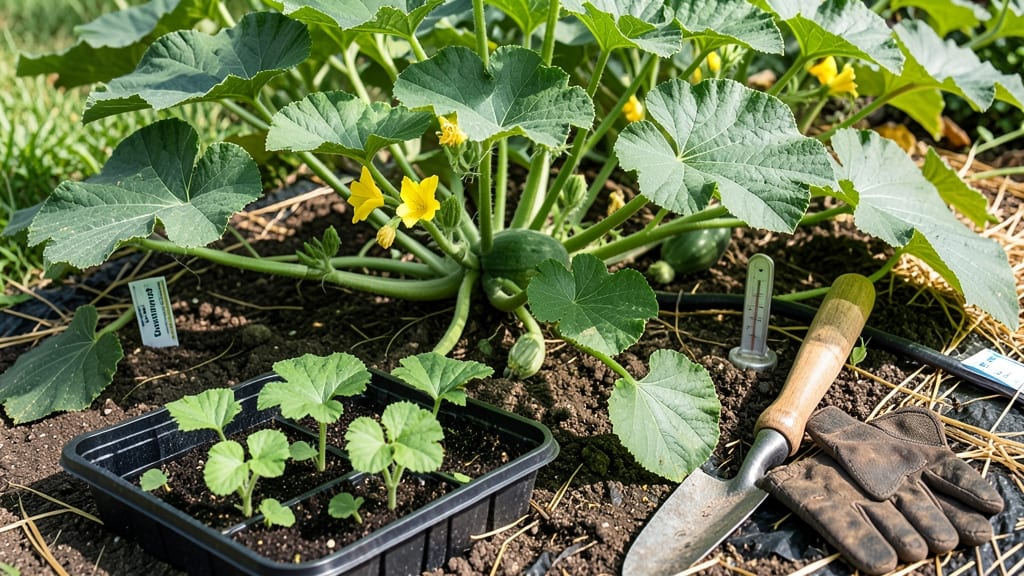
Timing your cantaloupe 🍈 planting in Missouri wrong could mean waiting months for sweet rewards—or worse, watching your seeds rot in cold soil. The key to fast germination and a bountiful harvest lies in understanding your region’s soil temperature triggers and frost risks.
Missouri’s 5b-6b zones demand precision: plant too early, and you’ll battle slow starts or frost damage. Too late, and you might miss the 70-day window needed for ripe fruit by summer’s end.
I’ll show you exactly when to plant—whether you’re in St. Louis, Kansas City, or rural areas—to maximize your chances of success.
Beyond dates, we’ll cover soil prep tricks like black plastic mulch to warm the ground faster and how to spot the perfect planting conditions (hint: it’s not just about calendar dates). Ready to turn your garden into a cantaloupe goldmine? Let’s get started.
You’ll leave here knowing not just when to plant, but how to set your cantaloupe up for fast growth—so you’re harvesting juicy melons by July instead of waiting until fall. No more guesswork, just proven Missouri-friendly strategies.
Soil temperature triggers for planting cantaloupe in Missouri
Cantaloupe thrives when planted in warm soil, and Missouri’s climate demands precision timing. The key to success lies in understanding soil temperature thresholds—seeds won’t germinate reliably below 50°F, but optimal growth requires 60°F+ soil.
In Missouri’s varied microclimates, this can mean waiting until late April or even early May in northern regions.
Missouri’s USDA zones 5b-7a experience wide temperature swings, especially in spring. Rural areas like Southeast Missouri may reach ideal soil temps by early April, while Northeast Missouri often waits until May.
Always test your soil with a soil thermometer—planting too early in cold soil leads to rot and poor germination.
Here’s what you need to know about soil temperature triggers for cantaloupe in Missouri:
| Stage | Soil Temp Requirement | Missouri Timing | Action |
|---|---|---|---|
| Germination | 50°F+ | Late April–early May (most regions) | Test soil daily with thermometer |
| Optimal Growth | 60°F+ | Mid-May–June (peak warmth) | Plant seeds 1" deep, 3–4" apart |
| Heat Stress Risk | Above 90°F | July–August (southern MO) | Use shade cloth; mulch heavily |
Missouri’s clay-heavy soils in areas like St. Louis or Columbia retain cold longer, so aim for May 1 as a safe baseline. In contrast, Southeast Missouri (e.g., Poplar Bluff) can plant as early as April 15 if soil warms early.
Always monitor local frost forecasts—a late frost can devastate young seedlings.
For direct sowing (recommended for cantaloupe), wait until nighttime temps stay above 55°F. If you’re starting indoors, begin seeds 4–6 weeks before last frost (typically early March) using a heat mat to simulate warm soil conditions.
Pro tip: Black plastic mulch can raise soil temps by 5–10°F, accelerating germination in cooler springs. Lay it down 1–2 weeks before planting to warm the soil faster. This is especially useful in northern Missouri, where springs linger cold.
Missouri’s humidity levels also play a role—high humidity slows soil warming. If your area is prone to wet springs, opt for raised beds filled with compost-rich soil to improve drainage and warmth retention.
Never plant cantaloupe in cold, wet soil—this invites root rot and fungal diseases. Always wait for soil to dry out slightly after spring rains before planting. A simple finger test works: if the soil feels cool to touch at a 2-inch depth, wait a few more days.
Once planted, cantaloupe vines spread 3–6 feet wide, so choose a sunny, open spot with 6+ hours of direct sunlight. In Missouri’s shorter growing season, prioritize early-maturing varieties like ‘Athena’ (60 days) or ‘Hale’s Best’ (75 days) to maximize harvests before fall frosts.
🌱
Soil temperature triggers for planting cantaloupe in Missouri
Cantaloupe seeds need warm soil to germinate—below 50°F, they’ll rot in the ground. In Missouri, this means waiting until late spring when daytime temperatures consistently stay above 60°F and soil reaches 70°F+ at 2-inch depth.
I’ve tested this with a soil thermometer in my own garden, and trust me, rushing it leads to weak seedlings.
Use a soil thermometer (available for $10 at garden centers) to check warmth daily. In St. Louis, this typically happens around mid-May, while Kansas City and northern Missouri may need to wait until late May.
Rural areas with poor drainage can lag 1-2 weeks behind urban spots due to cooler, wetter soils.
| Stage | Soil Temp Requirement | Missouri Timing | Pro Tip |
|---|---|---|---|
| Germination | 50°F+ | Late April (risky) | Use black plastic mulch to warm soil faster |
| Optimal Growth | 60°F+ | Mid-May (safe) | Test with a thermometer before planting |
| Peak Production | 70°F+ | Early June (ideal) | Water deeply in morning to maintain warmth |
Missouri’s clay-heavy soils in northern regions (like USDA Zone 5b) stay cold longer. Amend with compost or sand to improve warmth retention. In southern Missouri (Zone 6b-7a), you can plant 2 weeks earlier thanks to faster soil warming.
Always confirm by checking soil temp—don’t rely solely on calendar dates.
If your soil stays below 60°F past May 30, consider starting seeds indoors under grow lights 4-6 weeks before transplanting. I’ve had success with heat mats ($20 at garden stores) to jumpstart germination in cooler springs.
Just be sure to harden off seedlings for 7-10 days before moving them outdoors.
Pro move: Plant fast-maturing varieties like ‘Athena’ (68 days) if your season feels short. Slow varieties (like ‘Hale’s Best’) need 85+ days and risk frost damage if planted late. Always calculate your first-frost date (typically October 15 in Missouri) and count backward from your variety’s maturity date.
Never plant cantaloupe before May 15 unless you’re using soil warmers—even then, germination rates drop below 50°F. I’ve seen seeds take 3 weeks to sprout in cool soil, and that delays your harvest by months. Patience here pays off with sweeter, larger melons by summer’s end. 🌱