
Plants
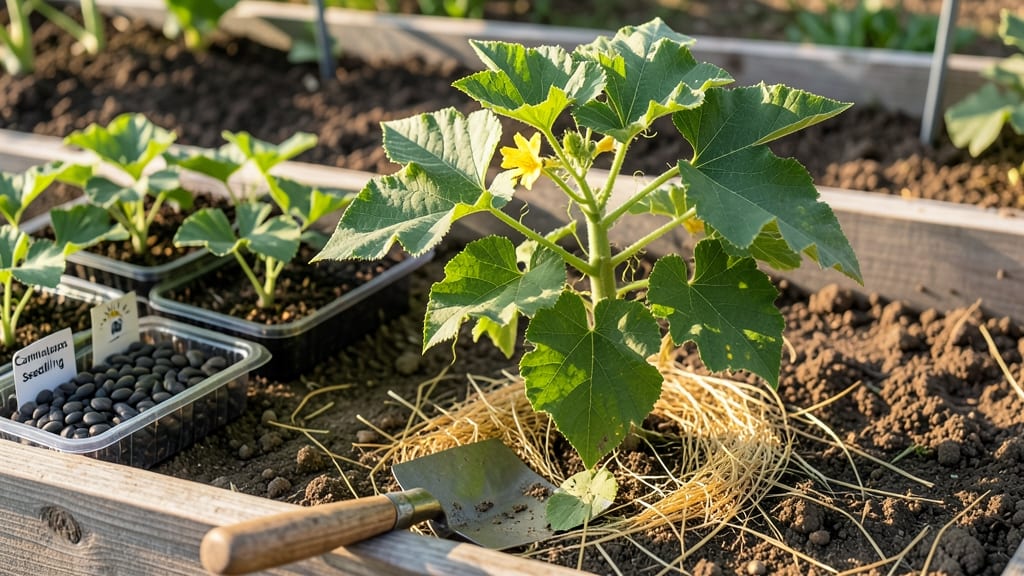
Planting cantaloupe in Florida at the wrong time can mean the difference between a sweet harvest and wasted effort. With its frost-free climate and warm soil, Florida offers two perfect windows to grow 🍈 cantaloupe, but timing is everything.
Most gardeners in Florida’s 9a-11 zones know the secret: soil warmth triggers germination, and waiting for the right temperature can speed up growth by weeks. Whether you're planting in early spring or late summer, understanding these cues is key to avoiding common pitfalls like slow starts or heat stress.
In this guide, I’ll walk you through the exact planting schedule based on soil temperature, plus tips for container gardening and raised beds. You’ll learn how to test soil warmth, choose the right varieties, and maximize your yield—no guesswork needed.
Ready to grow cantaloupe like a pro? Let’s dive into the fastest way to get your vines thriving in Florida’s heat.
Florida cantaloupe planting schedule by soil temperature zones
Florida’s frost-free climate makes cantaloupe a year-round possibility, but soil temperature is the real game-changer. Unlike northern states, we don’t have to wait for spring—just soil warmth of 55°F+ for germination and 70°F+ for vigorous growth.
I’ve broken down the best planting windows for Florida’s three distinct zones to help you avoid heat stress or slow germination.
North Florida (Zones 8a-9a) has cooler winters, while Central (9b-10a) and South Florida (10b-11) stay warm year-round. The key? Plant when nighttime temps stay above 60°F—this prevents chilling injury and ensures consistent yields. For example, January plantings in North Florida might struggle, but February is ideal once soil warms.
Here’s how Florida’s microclimates differ—and when to plant for maximum success:
For container growers, soil in pots warms faster than in-ground soil. Start seeds indoors 4–6 weeks before your target outdoor planting date, then transplant when soil hits 70°F. Pro tip: Place containers on black plastic or heat mats to accelerate warming.
If you’re in North Florida and planting in August, focus on fast-maturing varieties (like ‘Athena’) to avoid hurricane season disruptions. In South Florida, July plantings can stretch into October harvests, but mulch heavily to retain moisture during dry spells.
One common mistake? Planting too early in spring when soil is still cool. Use a soil thermometer—if readings dip below 60°F at night, wait another week. Patience here means faster germination and healthier vines.
For raised beds, soil warms 2–3 weeks earlier than in-ground plots. Take advantage by planting 2–3 weeks ahead of your zone’s recommended window. Just ensure beds have good drainage—cantaloupes hate soggy roots.
Remember: Florida’s humidity and heat can stress seedlings. Harden off transplants gradually if starting indoors, and always plant in well-draining, compost-amended soil with a pH of 6.0–6.8. A little extra care at planting time pays off with sweeter, larger melons.
🌱
Florida cantaloupe planting schedule by soil temperature zones
Florida’s unique climate creates three distinct planting zones for cantaloupe, each with specific soil temperature triggers that determine success. Unlike northern states, you can grow cantaloupe in both spring and summer, but timing depends on your region’s heat patterns.
In North Florida (Zones 8a-9a), like Jacksonville or Tallahassee, the best window is late February to early March for spring planting. Wait until soil reaches 70°F (21°C)—this ensures fast germination and avoids frost risks (though rare, they can occur in December).
For Central Florida (Zones 9b-10a), including Orlando and Tampa, plant mid-February to mid-March for spring or late July to early August for summer. Soil should be at least 65°F (18°C) for germination, but 75°F+ (24°C) speeds up growth significantly.
In South Florida (Zones 10b-11), like Miami or Fort Lauderdale, you can plant year-round, but February-March and July-August are ideal. Soil must stay above 68°F (20°C) consistently—cooler temps slow germination and reduce yields.
🌡️ Florida Cantaloupe Planting by Zone & Soil Temp
| Zone | Best Planting Window | Soil Temp for Germination | Key Consideration |
|---|---|---|---|
| North (8a-9a) | Late Feb - Early Mar | 70°F+ (21°C) | Avoid Dec frost risks |
| Central (9b-10a) | Mid-Feb - Mid-Mar OR Late Jul - Early Aug | 65°F+ (18°C) for germination, 75°F+ (24°C) ideal | Two harvests possible |
| South (10b-11) | Year-round (peak: Feb-Mar, Jul-Aug) | 68°F+ (20°C) minimum | Heat tolerance key |
Pro tip: Use black plastic mulch to warm soil faster in cooler months. This can raise soil temps by 5-10°F, helping you plant 2-3 weeks earlier in spring. For summer plantings, focus on shade cloth to protect young seedlings from intense afternoon sun.
If you’re in North Florida and miss the spring window, don’t panic—late July plantings still yield well if soil stays above 70°F (21°C). Just be prepared for pests like cucumber beetles, which thrive in summer heat.
For container growers, aim to plant when average daily temps hit 75°F (24°C). Pots heat up faster than soil, so monitor closely. A 5-gallon container works for bush varieties, while vining types need 10+ gallons and trellising.