
Plants
Knowing when to plant cantaloupe in Indiana isn't just about checking the calendar—it's about reading your soil like a pro. Skip the guesswork, and you could end up with bolted seeds or stunted vines instead of sweet, ripe 🍈 melons.
Indiana's 6a climate demands precision: soil needs to hit 70°F before seeds go in, and frost-free dates shift yearly. Plant too early, and your cantaloupe will bolt; too late, and summer's short window slips away. Let's break down the exact timing and tricks to get it right every season.
You'll discover the ideal planting window (hint: it's not just April 15-May 15), how to test soil temperature like a local expert, and which cantaloupe varieties handle Indiana's quirks best. No more wasted seeds or disappointed harvests—just juicy, vine-ripened success.
From microclimates to soil prep hacks, I'll cover everything Indiana gardeners need to turn their cantaloupe dreams into reality. Ready to grow melons that actually thrive? Let's get started.
Indiana cantaloupe planting timeline: soil temperature rules to prevent bolting
Indiana gardeners know that cantaloupe thrives in warm soil, but planting too early leads to bolted seeds—when plants flower prematurely without fruiting.
The key is waiting for soil temperatures to hit 70°F+ at a 5-inch depth, which typically aligns with Indiana’s last frost date (around April 15) but varies yearly.
For northern Indiana (Zones 5-6), aim for late April to early May planting, while southern Indiana (Zones 6-7) can start slightly earlier, around mid-April.
The USDA Plant Hardiness Zone 6a average for Indiana means you’ll need to monitor soil warmth closely—cantaloupe seeds won’t germinate below 60°F, and growth stalls under 65°F.
Here’s the critical timeline to avoid wasted effort: Plant cantaloupe seeds 1/2 inch deep only after 3 consecutive days of soil temperatures above 70°F. In Indiana, this usually falls between May 1 and May 15, but always verify with a soil thermometer.
Skipping this step risks slow germination or bolt-resistant varieties failing to produce fruit.
🌱
| Stage | Indiana Timeline | Soil Temp Requirement | Action |
|---|---|---|---|
| Last Frost Date | April 15 (avg) | Above 32°F | Prepare beds |
| Soil Warm-Up | Late April | 50-60°F | Test soil daily |
| Planting Window | May 1-15 | 70°F+ (5" depth) | Sow seeds 1/2" |
| Germination | 7-14 days | 65°F+ | Keep moist |
| Harvest Ready | July-August | N/A | Check stem slip |
If you’re in northern Indiana and face cooler springs, consider using black plastic mulch to warm soil by 5-10°F. This technique lets you plant cantaloupe 2-3 weeks earlier without risking bolting. Just remove the mulch once vines spread to prevent overheating.
For southern Indiana gardeners, late April plantings often succeed, but always confirm soil temps. Pro tip: Use a soil thermometer at 5-inch depth for 3 days straight—this is your green light to plant. Skipping this step can mean slow, uneven germination or seeds that simply rot in cold soil.
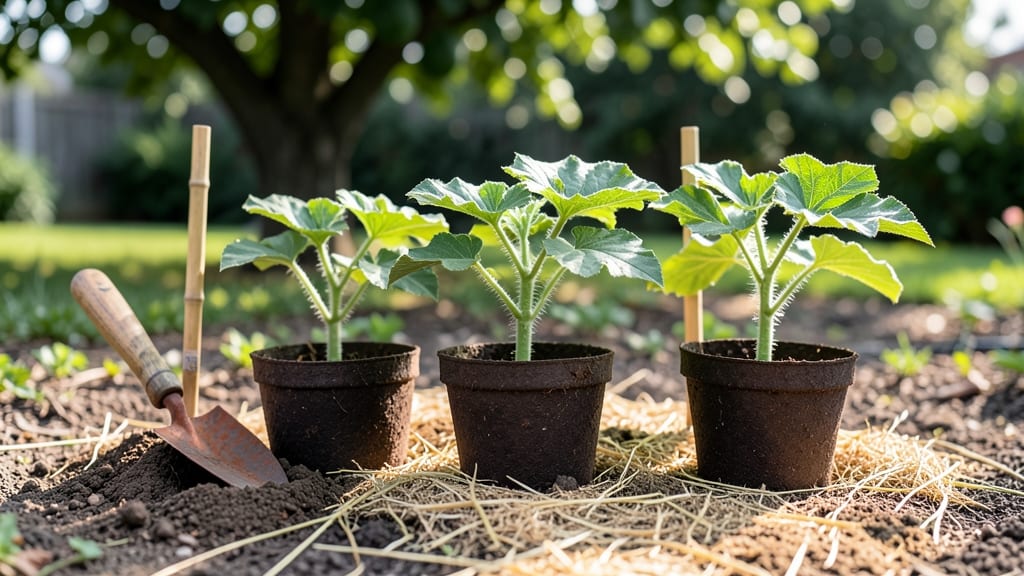
Another Indiana-specific trick? Plant cantaloupe seeds in biodegradable pots and set them out after Memorial Day. This gives seedlings a head start and reduces transplant shock, which is especially helpful in Indiana’s variable May weather.
Remember, cantaloupe vines need 3-6 feet of space to sprawl, so plan your garden layout accordingly. In Indiana’s climate, trellising isn’t recommended—these vines thrive when given room to stretch across warm soil.
Finally, if you miss the spring window, Indiana’s long frost-free season (165 days) allows for a second planting in early June. Just repeat the soil temperature checks and expect a slightly later harvest in late August or September.
☀️
How to test soil temperature for cantaloupe success in Indiana gardens
Testing soil temperature is the secret weapon against Indiana’s unpredictable spring and bolting cantaloupe. Cold soil tricks seeds into thinking winter’s still here, causing them to sprout weak or not at all. For cantaloupe, consistent warmth is non-negotiable—aim for 70°F or higher at a 4-inch depth before planting.
You’ll need a soil thermometer (digital ones are fastest). Check temperatures twice daily: once in the morning (before 8 AM) and once in the late afternoon (after 4 PM).
Cantaloupe seeds need daytime soil temps of 75-90°F to germinate reliably, while nighttime temps should stay above 60°F to prevent shock.
Here’s the critical rule: If your soil thermometer reads below 65°F for 3+ days, delay planting.
Cold snaps can stall germination for weeks, and cantaloupe seeds won’t tolerate replanting well. Patience now saves frustration later—trust me, I’ve learned this the hard way after watching seeds rot in cool Indiana soil.
⚠️ Warning: False Starts from Cool Soil
If your cantaloupe seeds sprout in cool but warming soil, they’ll grow leggy and weak—then bolt (flower prematurely) when temps finally rise. This wastes your effort and garden space. Wait for stable warmth (70°F+) before planting to avoid this trap.
For extra accuracy, test soil temps in multiple spots—especially if your garden has shady patches or south-facing beds (which warm faster).
I once planted cantaloupe in a sunny spot that hit 72°F, only to find the shadier side of the bed stayed at 62°F—half my seeds failed. Microclimates matter in Indiana’s variable climate.
Pro tip: Use black plastic mulch or row covers to warm soil faster if you’re eager to plant early. These tricks can add 5-10°F to soil temps, helping you start 1-2 weeks earlier without risking bolting. Just remove covers once seeds sprout to prevent overheating.
Once your soil hits the sweet spot (70°F+), plant seeds ½ inch deep and keep them moist until germination (usually 5-10 days). Watch for true leaves (not the initial seed leaves) before thinning seedlings—this confirms they’re ready for the next growth phase.
Remember: Indiana’s last frost date (around April 15) is just a starting point. Soil temperature is the real deadline. I’ve planted cantaloupe in early May when April’s frost lingered, and my vines thrived while neighbors’ early plantings struggled. Let the thermometer decide, not the calendar.