
Plants
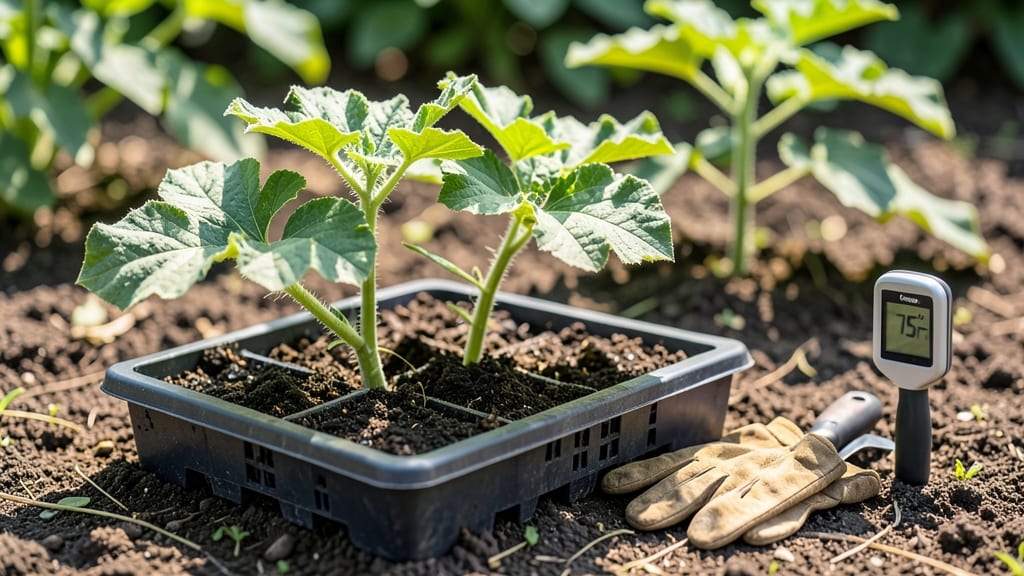
Timing your cantaloupe planting just right in Alabama can mean the difference between a bountiful harvest of sweet, ripe 🍈 and a disappointing flop.
If you plant too early, frost will nip those tender seedlings in the bud, while waiting too long might leave you scrambling for space in a crowded summer garden.
Alabama’s 7b-8b climate zones give you a narrow window—late April to early June—to get those seeds in the ground after the last frost. But here’s the catch: soil temperature matters just as much as calendar dates.
Cantaloupes crave warmth, and they won’t thrive until the earth hits at least 60°F.
I’ve grown cantaloupes in Alabama for years, and I’ve learned the hard way that rushing the process leads to stunted vines and bitter fruit. The key is patience—waiting for the perfect moment when both the air and soil are toasty enough to support rapid growth.
Let me show you exactly how to nail those planting dates and avoid common mistakes.
Once you’ve got the timing down, we’ll dive into the best heat-resistant varieties for your Alabama garden, plus pro tips for spacing, soil prep, and keeping pests at bay. Ready to grow cantaloupes that’ll make your neighbors jealous? Let’s get started.
Best planting dates for cantaloupe in Alabama’s climate zones
Alabama’s USDA Zones 7b-8b create a perfect growing environment for cantaloupe, but timing is critical to avoid late spring frosts or summer heat stress. North Alabama’s cooler nights and South Alabama’s intense humidity both demand precise planting strategies.
Let’s break down the ideal window for each region to maximize your harvest.
In North Alabama (e.g., Huntsville, Decatur), where last frost typically occurs around April 15, you should wait until mid-to-late April to plant cantaloupe seeds directly in the ground. This gives your vines enough time to establish before the 90°F+ heat of summer arrives.
For South Alabama (e.g., Mobile, Dothan), where frost is rare after March 15, you can start as early as late March.
Here’s the key rule: Soil temperature must reach 60°F+ before planting. Cold soil slows germination and weakens seedlings. Use a soil thermometer to confirm readiness—this is non-negotiable for cantaloupe success. In Alabama’s heat, black plastic mulch can raise soil temperatures by 5-10°F, giving you an earlier start.
If you’re using transplants (purchased seedlings), harden them off for 7-10 days before setting them out after May 1. Transplants give you a 2-week head start but require extra care to avoid transplant shock in Alabama’s humidity.
For container growers, 6-inch pots are ideal, and you can plant them 2 weeks earlier than in-ground planting. Containers warm up faster and give you more control over soil conditions, which is a game-changer in Alabama’s variable spring weather.
🌱 Pro Tip: Mark your calendar for June 15—this is the absolute last safe date to plant cantaloupe in Alabama. After this, vines won’t have enough time to mature before first frost (Nov 15), and your fruits will struggle to sweeten properly.
📋 Alabama Cantaloupe Planting Timeline
| Region | Last Frost Date | Ideal Planting Window | Soil Temp Requirement | Harvest Window |
|---|---|---|---|---|
| North Alabama (Zones 7b) | April 15 | Mid-April to May 1 | 60°F+ | July 15 - Aug 30 |
| Central Alabama (Zones 7b-8a) | March 30 | Late March to April 15 | 60°F+ | June 20 - Sept 10 |
| South Alabama (Zones 8a-8b) | March 15 | Late March to April 30 | 60°F+ | June 1 - Sept 15 |
🌡️ Note: Soil temps below 60°F delay germination by up to 3 weeks. Use black plastic mulch to warm soil faster.
Alabama’s humidity levels (often 70%+) can stress cantaloupe vines, so spacing is non-negotiable. Give each plant 3-4 feet of space in all directions to improve air circulation and reduce fungal diseases like powdery mildew. In containers, use 5-gallon pots with drainage holes to prevent root rot.
For extended harvests, consider succession planting every 2 weeks from late March to mid-May. This ensures a steady supply of ripe cantaloupes from July through September, when Alabama’s heat peaks. Just remember: no cantaloupe after June 15—the vines won’t mature in time.
💡 Regional Hack: In South Alabama’s Zone 8b, you can push the envelope and plant a second crop in late July for a fall harvest. Use shade cloth (30%) during the hottest afternoons to protect seedlings from 100°F+ temps.
Finally, monitor your local Alabama Agricultural Extension updates for pest alerts like cucumber beetles or squash vine borers, which thrive in Alabama’s heat. Early planting means earlier vulnerability—so stay vigilant!
Best planting dates for cantaloupe in Alabama’s climate zones
Alabama’s 7b-8b climate zones create distinct planting windows for cantaloupe, where North Alabama (cooler springs) differs from South Alabama (warmer, earlier starts). The general rule: wait until soil temperatures hit 60°F+ and all frost risk has passed.
In most areas, this lands between late April and early June, but your exact timeline depends on elevation and microclimates.
For North Alabama (e.g., Huntsville, Decatur), aim for May 1-15—the last frost typically passes around March 15, but soil warms slowly.
In Central Alabama (Birmingham, Montgomery), you can start April 15-May 1, while South Alabama (Mobile, Dothan) gardeners often begin as early as mid-April if using black plastic mulch to accelerate soil warming.
🌱 Pro Tip: Use a soil thermometer—cantaloupes won’t germinate well below 60°F, and seedlings may rot if planted in cold soil. I’ve seen firsthand how one week too early can mean stunted vines or fungal issues.
| Region | Last Frost Date | Ideal Planting Window | Soil Temp Requirement | Key Consideration |
|---|---|---|---|---|
| North Alabama | March 15 | May 1–15 | 60°F+ | Cooler nights; use row covers if frost risk lingers. |
| Central Alabama | March 20 | April 15–May 1 | 60°F+ | Moderate humidity; watch for powdery mildew. |
| South Alabama | March 5 | Mid-April–Late April | 60°F+ | Hotter, earlier starts; prioritize shade cloth for young plants. |
If you’re starting seeds indoors, begin 4-6 weeks before your target outdoor date (e.g., late March for North Alabama, early March for South Alabama). Use biodegradable pots to avoid transplant shock when moving seedlings outdoors.
I’ve had the best luck with Athena cantaloupe seedlings—hardy enough to handle Alabama’s heat once established.
For container growing, plant after May 15 statewide—small pots heat up faster and can scorch roots. Place containers on elevated stands to improve drainage and air circulation, which is critical in Alabama’s humid summers. 🪴
Remember: cantaloupes need 75-90 days to mature, so plan your harvest to fall between July and September. If you miss the spring window, you can try a fall planting (late July) in South Alabama, but yields will be smaller due to shorter daylight.