
Plants
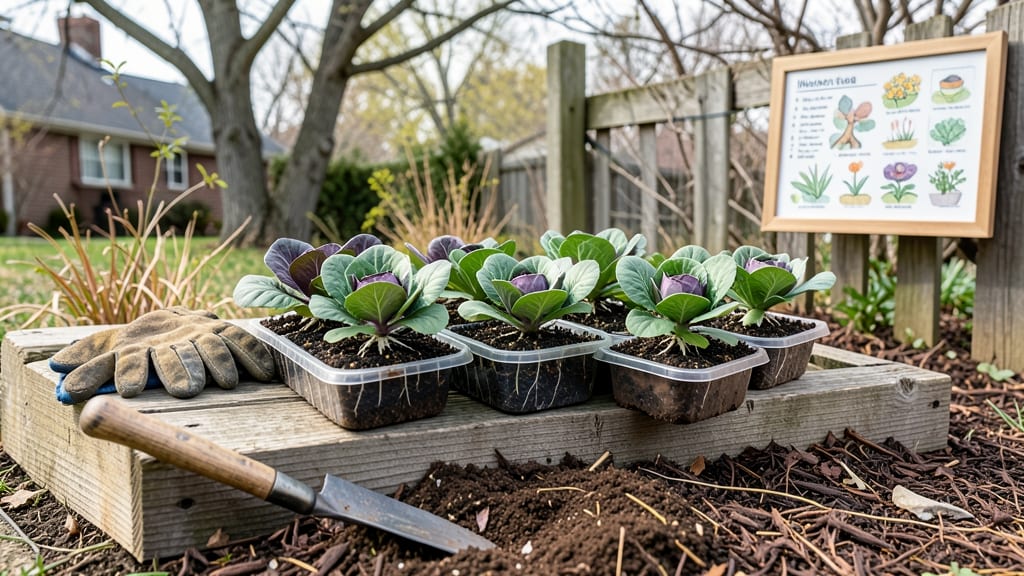
Timing your cabbage 🥬 planting in Michigan could mean the difference between a bountiful harvest and wasted effort. The 5b-6b zone's unpredictable frost dates demand precision—plant too early, and you risk frost damage; too late, and your heads won’t mature before winter.
I’ve grown cabbage in Michigan for years, and the key to success lies in understanding your local frost patterns. Whether you’re sowing seeds indoors or transplanting seedlings, knowing when to plant ensures your 🥬 cabbage thrives from April through October.
In this guide, I’ll break down the exact planting windows for early, mid-season, and late varieties, including how to adjust for Michigan’s microclimates. You’ll also discover the best cabbage types for your short growing season and how to extend harvests with simple tricks.
Ready to grow cabbage that’s tastier and more abundant than ever? Let’s dive into the frost-date calculator and variety-specific tips that will transform your garden this year.
Michigan cabbage planting calendar: frost dates by variety type
Michigan’s USDA Zones 4-6 create unique challenges for cabbage growers, with last frost dates ranging from mid-April in southern regions to late May in the Upper Peninsula. To maximize your harvest, timing is everything—especially when choosing between early, mid-season, and late-maturing varieties.
Let’s break down the optimal planting windows for each type, so you can plan your garden like a pro.
For spring cabbage, the key is planting 4-6 weeks before your last frost date. This gives seedlings enough time to establish roots before temperatures rise. In Michigan’s Lower Peninsula (Zones 5b-6a), that typically means mid-April to early May.
Meanwhile, Upper Peninsula gardeners (Zone 4b) should wait until late May to avoid frost damage to tender seedlings.
| Variety Type | Planting Window (Lower Peninsula) | Planting Window (Upper Peninsula) | Days to Maturity | Harvest Window |
|---|---|---|---|---|
| Early Varieties (e.g., 'Early Jersey Wakefield') | April 15 - May 1 | May 15 - May 31 | 60-70 days | June - July |
| Mid-Season Varieties (e.g., 'Golden Acre') | May 1 - May 15 | May 31 - June 15 | 70-80 days | July - August |
| Late Varieties (e.g., 'Late Flat Dutch') | June 1 - June 15 | June 15 - July 1 | 80-100 days | August - September |
| Fall Planting (All Varieties) | July 15 - August 15 | July 30 - August 15 | 60-80 days (depends on variety) | October - November |
Fall planting is a game-changer for Michigan gardeners, allowing you to harvest cabbage well into October before the first frost. For fall crops, aim to plant 8-10 weeks before your average first frost date (typically mid-October in most regions).
This means July 15-August 15 for the Lower Peninsula and July 30-August 15 for the Upper Peninsula.
Pro tip: Use row covers or cold frames to extend your fall harvest by 2-3 weeks. These tools protect tender cabbage heads from light frosts (28-32°F), letting you enjoy fresh cabbage even as temperatures drop. Just remove covers during the day to prevent overheating.
If you’re growing multiple varieties, consider succession planting every 2-3 weeks from April through July. This ensures a continuous harvest from summer through fall. For example, plant early varieties in April, mid-season in May, and late varieties in June to stagger maturity.
Soil temperature is just as critical as air temperature. Cabbage seedlings thrive in soil that’s at least 45°F.
Use a soil thermometer to check—if it’s cooler, wait a few days or use black plastic mulch to warm the soil faster. Cold soil slows germination and can lead to leggy, weak seedlings.
Don’t forget about microclimates within Michigan. Gardens near large bodies of water or in urban areas may experience later frosts or warmer soil earlier in the season.
Pay attention to your local frost history—some years, the last frost hits 2 weeks earlier or later than average. Adjust your planting dates accordingly.
For container gardening, start seeds 6-8 weeks before your last frost date indoors or in a greenhouse. Containers warm up faster than garden beds, so you can plant 1-2 weeks earlier than in-ground seedlings.
Just ensure your pots have good drainage and are at least 12 inches deep to accommodate mature cabbage roots.
Finally, keep an eye on the weather forecast in the days leading up to planting. If a hard freeze (below 28°F) is predicted, delay planting until after the threat passes. Young cabbage plants are extremely frost-sensitive, and even a light frost can stunt their growth or kill them outright.
How to adjust planting times for Michigan’s microclimates
Michigan’s frost dates aren’t just about the calendar—they’re heavily influenced by microclimates. In the Upper Peninsula, for example, frost lingers later in spring and arrives earlier in fall compared to the Lower Peninsula.
Even within a single county, valleys and hills can shift planting windows by 2-3 weeks.
I’ve learned the hard way that planting cabbage seedlings in a frost pocket can turn a thriving crop into a sad, wilted mess. To avoid this, start by checking your local frost history—your county extension office has the data.
For most of Michigan, the last frost date ranges from April 15 in southern regions to May 1 in the north.
Here’s the trick: Soil temperature matters more than air temperature. Cabbage roots struggle below 45°F, so wait until your soil warms up. Use a soil thermometer—if it’s consistently above 50°F, it’s safe to plant. In cooler areas like Traverse City, this might mean waiting until mid-May.
For fall planting, aim to sow seeds 8-10 weeks before your first frost. In Detroit, that’s around July 15, but in the UP, you might need to start by July 1.
Watch for heat waves too—cabbage bolts (goes to seed) when temperatures hit 80°F+ for days.
⚠️ Warning: Don’t Plant Too Early in Frost Zones
Even cold-hardy cabbage varieties like ‘January King’ can suffer if planted before soil warms. Young seedlings are especially vulnerable to black rot and damping-off in cold, wet soil. If you’re eager to start early, use row covers or a mini greenhouse to protect seedlings until soil temperatures rise.
🌱 Pro Tip: Test soil warmth with your hand—if it feels cold to your touch, wait a week.
Elevation plays a role too. Gardens at 1,000+ feet (like in the Keweenaw Peninsula) often have 10-14 days shorter growing seasons. Adjust your planting dates accordingly—start 2 weeks later in spring and 2 weeks earlier in fall.
For example, if your neighbors plant on April 20, you might wait until May 5.
Finally, urban gardeners in cities like Grand Rapids or Ann Arbor can plant slightly earlier due to the urban heat island effect. Concrete and buildings trap heat, warming soil faster. If you’re in a city, test your soil a week earlier than rural guidelines suggest.
By tuning into your local microclimate, you’ll avoid the heartbreak of lost crops and enjoy healthier, bigger cabbage heads all season. Start with small test plots if you’re unsure—it’s the safest way to learn your land’s quirks.