
Plants
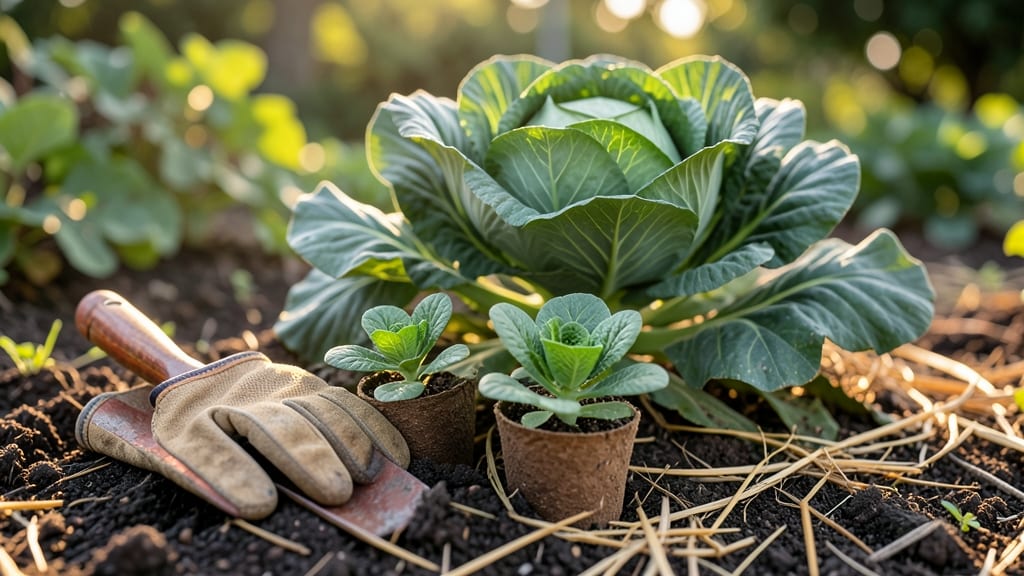
Timing your 🥬 cabbage planting in South Carolina isn't just about following a calendar—it's about outsmarting the heat and humidity that can turn your crisp heads into bitter, bolted disappointments.
With the right window, you can grow flavorful, heat-tolerant varieties that thrive in zones 7b-8a, but plant too early or too late, and you'll miss the sweet spot between frost and sweltering temperatures.
Most gardeners in South Carolina know the basics—spring and fall—but the devil's in the details. The key is planting 4-6 weeks before your last frost date (typically mid-March) or in late summer when soil temperatures stay below 80°F to prevent bolting.
Without this precision, your cabbage might bolt prematurely or struggle in the oppressive summer heat, leaving you with less-than-stellar harvests.
What if I told you there's a way to stretch your growing season and pick crisp, sweet cabbage twice a year? Whether you're in the coastal humidity or the Piedmont's slightly drier climate, the right varieties and planting strategies can make all the difference.
Let's dive into the exact months and heat-tolerant picks that will keep your garden productive from spring to fall.
From choosing the best varieties for your microclimate to avoiding common mistakes, you'll learn how to maximize your harvest—no more wasted seeds or bitter surprises. Ready to grow cabbage that's as delicious as it is resilient? Let's get started.
Best planting months for cabbage in South Carolina to avoid bolting
South Carolina’s USDA zones 7b-8a give you two prime windows to grow cabbage—early spring and late summer. Planting outside these months risks bolting (premature flowering) due to heat stress, especially in the coastal humidity or Piedmont heat.
The key is timing: sow seeds or transplant seedlings when soil temps are 50-60°F and nights stay above 55°F.
For spring cabbage, aim for February through early March in most of SC. Coastal areas (like Charleston) can start slightly earlier in January-February, while the Upstate (Greenville) may wait until late February to avoid late frosts.
Harvests arrive by May-June, just as summer heat ramps up—perfect for beating the bolting trigger.
Your second chance comes in late summer, with July-August plantings maturing by October-November. This avoids the brutal July-August heat, which can send cabbage into a bitter, bolted frenzy.
Upstate growers might push to early September, but coastal areas should stop by mid-August to finish before hurricanes arrive.
Here’s the critical rule: Never plant cabbage when daytime temps consistently exceed 75°F for more than 2 weeks. Even heat-tolerant varieties like 'Cavalo' will bolt if stressed. Use shade cloth (30-50%) if you must plant in June, but expect slower growth.
| Planting Window | Best For | Harvest Time | Key Risk |
|---|---|---|---|
| February–Early March | Spring cabbage | May–June | Late frost damage |
| July–August | Fall cabbage | October–November | Heat bolting |
| January (Coastal only) | Early spring push | April–May | Slow growth |
| September (Upstate only) | Late summer stretch | November | Frost before maturity |
📅 Pro Tip: Check your local last frost date (avg. mid-March) and count back 6-8 weeks for transplanting.
Bolting happens when cabbage senses long days + heat. In SC, this typically kicks in by late May for spring plantings and early September for summer ones. To delay bolting, choose slow-maturing varieties (like 'Golden Acre') and keep soil moist but not soggy.
Mulch with straw or shredded leaves to stabilize soil temps and reduce stress.
If you’re in the Upstate (USDA 7b), you’ll have a slightly longer window to plant in fall than coastal areas. Aim for late July to early August to avoid the 90°F+ spells that trigger bolting.
Coastal growers should stick to July plantings and harvest by October 15th to beat the first frost (mid-November).
For succession planting, stagger seeds every 2 weeks in spring and every 3 weeks in fall. This ensures a steady harvest and reduces the risk of bolting from overcrowded plants. Space seedlings 18-24 inches apart—closer spacing stresses roots and speeds up bolting.
One common mistake is planting cabbage too early in January (except coastal zones). Seedlings may linger in cold soil, leading to stunted growth or disease. Wait until soil temps hit 50°F consistently. Use a soil thermometer to check—it’s the only way to be sure.
If you miss the ideal windows, don’t despair. Some heat-tolerant varieties (like 'Tendercrisp') can handle short heat spells in June, but growth will slow. Pair them with 50% shade cloth and daily watering to improve survival rates. Just be prepared for smaller heads.
Best planting months for cabbage in South Carolina to avoid bolting
South Carolina’s USDA zones 7b-8a offer two ideal windows for planting 🥬 cabbage: early spring and late summer. The key is timing your seeds or seedlings to avoid bolting (premature flowering) caused by heat or frost.
Most gardeners in the Piedmont and coastal regions should aim for February-March for spring crops and July-August for fall harvests.
Bolting occurs when temperatures exceed 80°F for extended periods, so late summer plantings must happen before August 1st in most areas. Coastal zones like Charleston can push planting slightly later due to moderating ocean breezes, but inland areas like Greenville need to start earlier to avoid summer heat stress.
🌱 Critical temperature ranges for cabbage:
- Optimal soil temp: 50-70°F for germination
- Danger zone: Above 80°F triggers bolting
- Frost tolerance: Seedlings survive 28°F but prefer 40°F+ for growth
📅 South Carolina Cabbage Planting Timeline
| Region | Spring Planting Window | Fall Planting Window | Key Consideration |
|---|---|---|---|
| Coastal (Zone 8a) | Late Feb - Early April | Late July - Mid-August | Moderate humidity extends fall window |
| Piedmont (Zone 7b) | Mid-Feb - Mid-March | Early July - Early August | Hotter summers require earlier fall planting |
| Upstate (Zone 7b) | Late Jan - Early March | Late June - Early July | Shorter growing season demands precise timing |
💡 Pro Tip: Use your average last frost date (typically March 15) as your spring planting deadline minus 4-6 weeks for indoor starts.
For succession planting, make weekly sowings every 2-3 weeks from February through April to ensure a continuous harvest. In fall, focus on getting seeds in the ground by July 15—any later risks bolting before heads mature. Coastal gardeners can sometimes push to August 1 with shade cloth protection.
🌡️ Heat management tips for summer plantings:
- Use 30-50% shade cloth to reduce soil temps
- Water deeply in mornings to cool roots
- Choose heat-tolerant varieties (we’ll cover these next!)
- Mulch with straw or leaves to insulate soil
Missed the spring window? Don’t despair—fall cabbage often produces sweeter, tighter heads due to cooler nights. Just be prepared to harvest by first frost (typically mid-November) or use row covers to extend the season by 2-3 weeks.