
Plants
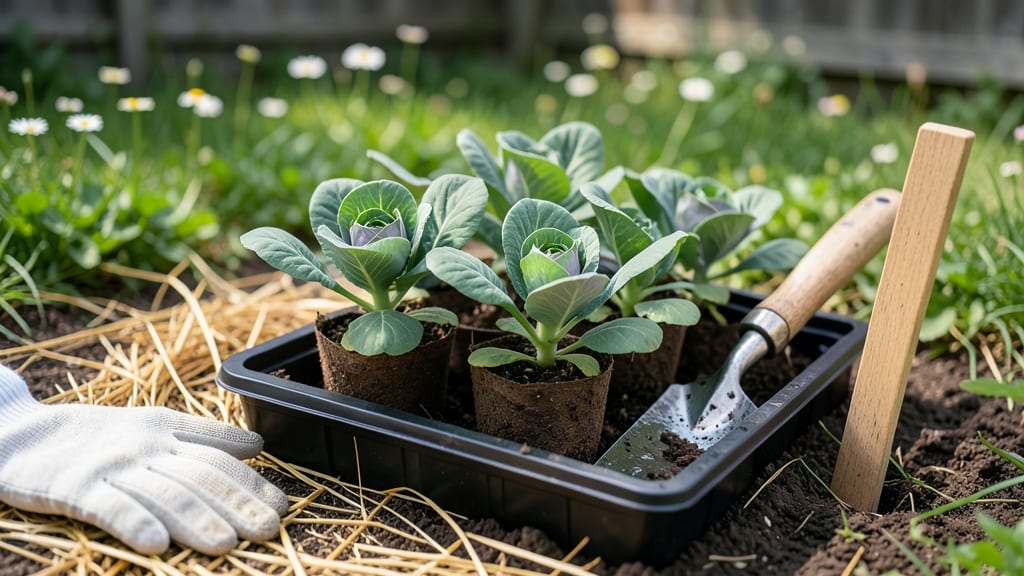
Timing your 🥬 cabbage planting in Zone 7b isn't just about following a calendar—it's the difference between crisp, market-ready heads and bitter, bolting disappointments. Miss the window by even a few weeks, and you'll watch your plants race toward flowers instead of forming tight, flavorful heads.
Most gardeners in 7b assume they can plant cabbage anytime in spring, but the real secret lies in those precise weeks before your last frost date. Start seeds indoors 6–8 weeks before March 15, then transplant seedlings 2–3 weeks before that date to give them a strong head start.
Skip this step, and you'll end up with sad, stunted plants that never reach their full potential.
But here's what most guides won't tell you: Zone 7b's heat can sneak up faster than you think. Plant too late, and your cabbage will bolt before you even get a chance to harvest.
The solution? A second planting window in late summer—August–September—for fall harvests that avoid the worst of summer's heat while still beating the first frost in November.
I've tested these exact timing strategies in my own Zone 7b garden, and the results speak for themselves: bolting-free growth, perfect-sized heads, and harvests that last from May through November. Let me show you the precise schedule that works—no guesswork, just proven results.
Best planting weeks for cabbage in Zone 7b: avoiding bolting and frost risks
In Zone 7b, cabbage (Brassica oleracea) thrives when planted during cool seasons—either early spring or late summer. The key is timing: plant too early, and frost will damage seedlings; too late, and heat will trigger bolting (premature flowering).
For Zone 7b, where the average last frost is March 15, aim for a 6-week window before that date for spring planting.
Cabbage is a cool-season crop, meaning it prefers temperatures between 60–70°F during the day and 45–55°F at night. In Zone 7b, summer heat (85°F+) can cause cabbage to bolt, ruining your harvest.
That’s why fall planting (8–10 weeks before the first frost, around November 15) is just as critical as spring.
For spring planting, start seeds indoors 4–6 weeks before your last frost (around February 1–15 in Zone 7b). Transplant seedlings 2–3 weeks before last frost (early to mid-March) to give them time to establish roots before warmer weather arrives.
For fall planting, direct-sow seeds 8–10 weeks before first frost (around August 20–September 10), ensuring harvests before winter sets in.
Zone 7b’s summer heat can be tricky for cabbage. If you miss the spring window, opt for shade-tolerant varieties like 'Red Express' or 'Golden Acre' and plant in partial shade to delay bolting.
Mulch with straw or grass clippings to keep soil cool and retain moisture, which is critical during Zone 7b’s dry spells.
For fall cabbage, focus on varieties with longer maturity dates (e.g., 'Golden Ball' at 85 days) to ensure harvests before winter. Plant in well-draining soil enriched with compost to support root growth.
Avoid planting too close to broccoli or kale, as cabbage is susceptible to clubroot disease.
Protect young seedlings from cabbage worms and fleabeetles with row covers or neem oil sprays. In Zone 7b, late-summer heat can stress plants, so water deeply in the morning to prevent wilting.
Aim for 1–1.5 inches of water per week, adjusting for rainfall to avoid overhead moisture, which promotes fungal diseases.
If you’re new to cabbage growing, start with small batches of 3–4 plants to test your timing. Note when heads form and adjust future plantings accordingly. In Zone 7b, fall cabbage often yields the sweetest heads because cooler nights enhance flavor.
With the right timing, you can enjoy crisp, homegrown cabbage twice a year!
🥬
Best planting weeks for cabbage in Zone 7b: avoiding bolting and frost risks
In Zone 7b, cabbage thrives when planted at precise times to avoid bolting (premature flowering) or frost damage. The average last frost date here is around March 15, but timing varies yearly.
For spring planting, aim for 4–6 weeks before last frost—typically mid-February to early March—while fall planting should start 8–10 weeks before first frost (around late August to early September).
Cabbage is a cool-season crop, so planting too early risks frost damage, while late planting exposes it to heat stress, which triggers bolting. In Zone 7b, summer temperatures often exceed 85°F, forcing cabbage to bolt in as little as 2–3 weeks.
Choose heat-tolerant varieties like 'Golden Acre' or 'Red Express' if extending the season into late summer.
| Planting Method | Optimal Planting Window | Key Considerations |
|---|---|---|
| Indoor Seeding (Transplant Later) | 6–8 weeks before last frost (Jan–Feb) | Use grow lights for 12–14 hrs/day; harden off seedlings 1 week before transplanting. |
| Direct Sowing (Spring) | 4–6 weeks before last frost (Feb–Mar) | Soil temp should be 40–50°F; use row covers for frost protection. |
| Direct Sowing (Fall) | 8–10 weeks before first frost (Aug–Sep) | Select late-maturing varieties (90+ days); mulch to retain soil warmth. |
| Transplanting Seedlings | 2–3 weeks before last frost (late Feb–early Mar) | Choose 4–6 week old seedlings with 4–5 true leaves; space 18–24 inches apart. |
For spring cabbage, start seeds indoors in January and transplant in late February to early March. This gives plants a head start before soil warms. In fall, direct-sow seeds in August for a harvest before winter sets in.
Use black plastic mulch to extend the season by 2–3 weeks—it warms soil and suppresses weeds.
Watch for heat stress signs like yellowing leaves or flower stalks emerging from the center. If bolting occurs, harvest outer leaves first to salvage the crop.
In Zone 7b, late summer heat (July–August) is the biggest enemy, so prioritize shade cloth or drip irrigation during peak afternoons to keep plants cool.
Pro tip: Plant fast-maturing varieties (50–60 days) in early spring or late summer to escape heat. For example, 'Early Jersey Wakefield' matures in 58 days and handles Zone 7b’s 80–85°F spells better than slower varieties.
Always check your local USDA frost calendar—Zone 7b’s first frost can arrive as early as November 1 in some years.
Timing is everything—get it right, and you’ll enjoy crisp, sweet cabbage from spring through fall. Miss the window, and you’ll be left with bitter, bolted plants. Mark your calendar and start planning now! 🥬