
Plants
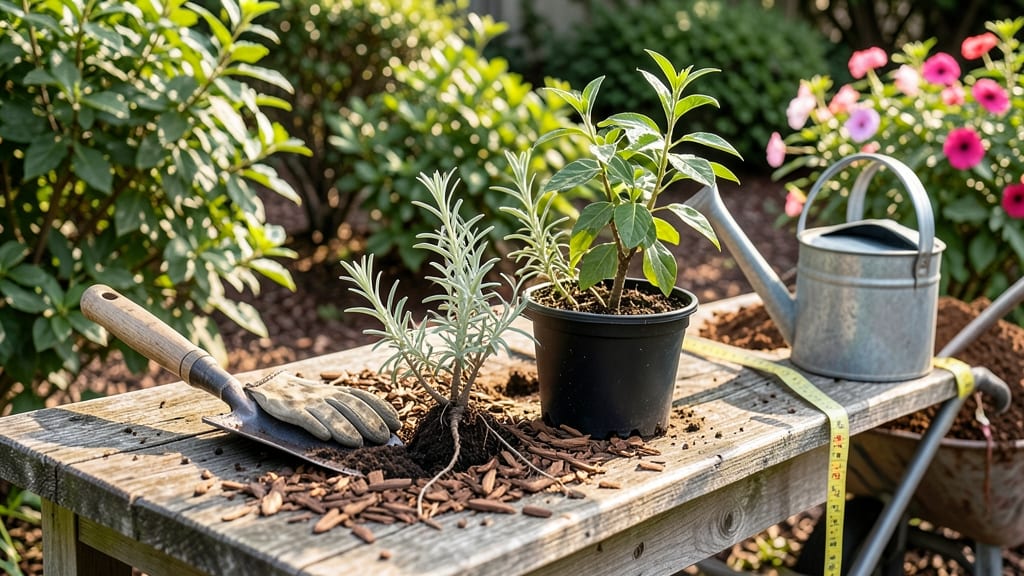
Planting bushes in Texas at the wrong time can turn your dream landscape into a sad, sun-scorched memory—but get the timing right, and you’ll watch them thrive even through the brutal heat. The key isn’t just picking the right month; it’s understanding how Texas’s 8a-10b zones and microclimates change the game from North to South.
Fall and early spring are your golden windows, but September through November and February to March offer the perfect balance of cooler temps and moisture. Skip these, and you risk struggling with heat stress or frost damage—especially if you’re planting drought-resistant varieties like Texas Sage or Crape Myrtle.
I’ll break down the exact months for each region, plus the heat-tolerant bushes that actually survive (and even love) Texas’s extremes. Whether you’re prepping soil in North Texas or battling South Texas humidity, these tips will help your bushes take root strong.
Ready to skip the guesswork? Let’s dive into the best planting strategies so your bushes grow lush, not limp.
Best months to plant bushes in Texas by region (North vs. central vs. South)
Texas’s diverse climate means planting bushes in North Texas differs dramatically from South Texas. The key is aligning your planting with frost dates and heat tolerance—avoid the brutal summer months when temperatures can fry young roots.
I’ve broken it down by region to help you pick the perfect window.
For North Texas (USDA Zones 7b-8a), your last frost typically arrives around March 15, while the first frost hits November 15. This gives you a 9-month growing window, but the best times to plant are February–March for spring planting or September–October for fall.
Evergreen bushes like Yaupon Holly or Texas Sage handle these transitions well.
In Central Texas (Zones 8a-8b), frost is even less predictable—last frost can be as early as March 1, and first frost may arrive by December 15.
Your safest bets are January–February for spring or October–November for fall. Crape Myrtle and Wax Myrtle thrive here with minimal fuss once established.
If you’re in South Texas (Zones 9a-10b), frost is rare, but summer heat is the real enemy. Plant in November–December to beat the worst of the heat, or August–September for a late-summer start. Mexican Petunia and Turk’s Cap love this climate and bloom year-round with the right care.
Microclimates matter too—urban areas like Austin or Dallas can be 5–10°F warmer than rural spots, delaying frost. Always check your local frost dates and adjust by 2–4 weeks if needed. A quick call to your local Cooperative Extension office can save you from costly mistakes.
| Region | Last Frost | First Frost | Best Planting Months | Top Bush Varieties |
|---|---|---|---|---|
| North Texas | March 15 | November 15 | February–March, September–October | Yaupon Holly, Texas Sage, Crape Myrtle |
| Central Texas | March 1 | December 15 | January–February, October–November | Wax Myrtle, Turk’s Cap, Lantana |
| South Texas | February 15 | January 1 | November–December, August–September | Mexican Petunia, Firebush, Bottlebrush |
Adjust planting dates by 2–4 weeks for urban microclimates.
Timing isn’t just about frost—it’s also about soil moisture. Planting in fall lets bushes establish roots before summer heat, while spring planting gives them a head start for blooming.
I always water deeply after planting and mulch heavily to lock in moisture, especially in North Texas where droughts are common.
For container planting, timing shifts slightly. Potted bushes can handle summer heat better if you move them to partial shade during peak afternoon sun.
In South Texas, I’ve even planted Mexican Petunia in July with success—just keep the soil consistently moist and avoid overhead watering to prevent fungal issues.
Pro tip: If you miss the ideal window, don’t panic. Bare-root bushes planted in late winter (even in March) often recover well if you water aggressively for the first 4–6 weeks. Just avoid planting in summer—the heat will stress young plants before they can establish.
Finally, always acclimate your bushes to outdoor conditions if starting indoors. Harden them off for 7–10 days before transplanting, especially for tender varieties like Mexican Petunia. This simple step can mean the difference between a thriving bush and a sad, wilted disappointment.
Heat-tolerant bushes that thrive in Texas soil and climate
Texas’s brutal summers can turn even the hardiest bushes into crispy casualties—but some varieties not only survive but thrive in the heat. The secret? Choosing bushes bred for Texas’s USDA Zones 8a-10b, where temperatures soar and droughts linger.
These 7 top performers handle heat, humidity, and even poor soil with ease, making them my go-to recommendations for Texas gardeners.
From Texas Sage to Crape Myrtle, each of these bushes has a specific planting window to maximize survival. Plant them at the wrong time, and you’ll waste money on wilting shrubs. But get the timing right, and you’ll enjoy year-round color with minimal fuss.
🌱 Here’s my ranked list of heat-tolerant bushes, their ideal planting months, and care tips to keep them lush:
Drought-proof and silver-gray foliage that glows under Texas sun. Plant in September-October or February-March for best root establishment.
💧 Water needs: Deep soak every 2-3 weeks once established.
Texas’s state tree (yes, really!) blooms in pinks, purples, and whites from summer to fall. Plant in November-December (South Texas) or February (North Texas).
✂️ Prune in late winter to encourage new growth.
Evergreen with red berries (edible for birds!) and glossy leaves. Plant in September-October for fall root growth. Thrives in full sun to partial shade.
🌿 Soil tip: Tolerates alkaline soil (common in Texas).
Vibrant purple-blue flowers that bloom nonstop in summer. Plant in March-April after last frost. Perfect for containers or borders.
💧 Water: Keep soil evenly moist until established.
Fragrant evergreen foliage and blue-black berries loved by birds. Plant in fall (October-November) for coastal areas or early spring inland.
🪴 Container tip: Use for privacy hedges in urban areas.
Red, hibiscus-like flowers that bloom year-round in South Texas. Plant in spring (March-April) after frost risk passes.
🌿 Shade tip: Tolerates partial shade in North Texas.