
Plants
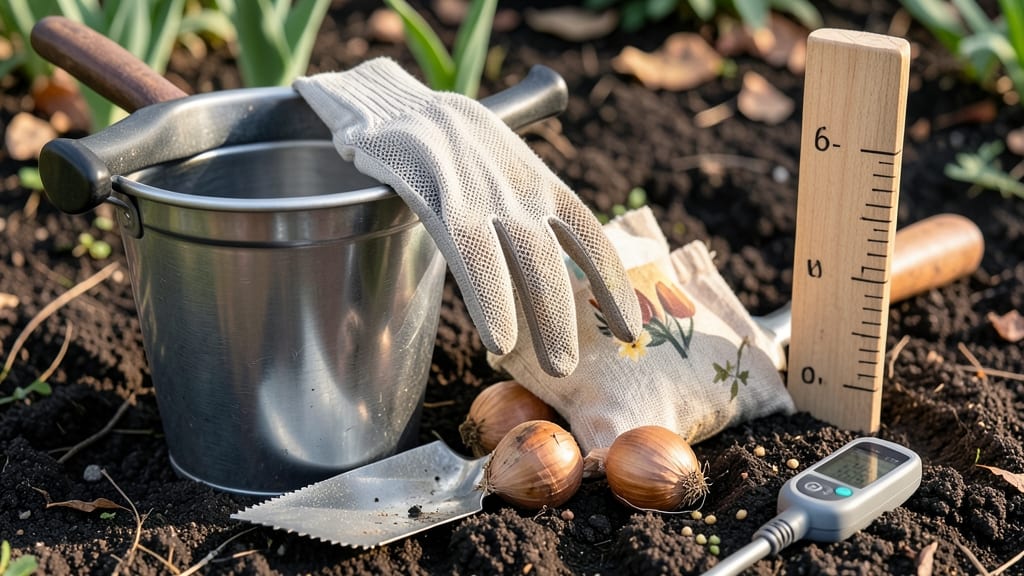
If you’ve ever planted spring flowering bulbs 🌷 in Zone 4 only to watch frost nip them before they bloom, you’re not alone. The difference between a stunning spring display and a sad, frozen disappointment often comes down to one critical factor: timing.
Planting bulbs too early or late can turn your garden dreams into a winter casualty—unless you know the exact window to act.
For Zone 4 gardeners, the 6-8 week rule before the first hard frost is your secret weapon. This isn’t just guesswork—it’s rooted in how bulbs need time to establish roots before winter sets in.
Miss this window, and you risk bulbs rotting in cold, soggy soil. But get it right, and you’ll enjoy vibrant blooms from crocuses in early spring to towering tulips by May.
I’ll walk you through the precise months to plant—September through November—and how to adjust for unpredictable frost years. No more second-guessing whether your bulbs will survive the winter.
By the end, you’ll know exactly when to dig, how deep to plant, and even which bulbs handle Zone 4’s harshest winters like champs.
Ready to transform your garden into a springtime paradise? Let’s dive into the science-backed timing that’ll make your bulbs thrive—no frost-related disappointments included.
Zone 4 bulb planting calendar: exact months by bloom season
Planting bulbs in Zone 4 requires precision—get the timing wrong, and frost will ruin your spring blooms before they even sprout. The key is planting bulbs 6-8 weeks before the first hard frost, which typically lands in September through November for most spring-flowering varieties.
This window ensures bulbs establish roots before winter dormancy sets in.
For fall-blooming bulbs like crocuses and snowdrops, the timing shifts slightly—plant them late summer to early fall (August through September) so they can root before the ground freezes. Summer-blooming bulbs like dahlias, however, require a later spring planting (after the last frost, usually May).
Here’s the exact planting schedule for Zone 4, broken down by bloom season and bulb type, with frost-risk data to guide your timing:
| Bloom Season | Bulb Types | Ideal Planting Months | Soil Temp (°F) | Frost Risk |
|---|---|---|---|---|
| Spring | Tulips, Daffodils, Hyacinths | September–November | 40–50°F | Low (after roots form) |
| Fall | Crocus, Snowdrops, Alliums | August–September | 50–60°F | Moderate (early frost) |
| Summer | Dahlias, Gladiolus | May–June (after frost) | 60°F+ | None |
| Winter | Christmas Rose, Winter Aconite | September–October | 50°F | High (needs snow cover) |
Notice how soil temperature is just as critical as calendar dates. Most bulbs need soil to cool to 50–60°F before planting—this triggers root growth. Use a soil thermometer if your fall arrives early or late. For example, if your soil hits 50°F in late August, plant fall-blooming bulbs immediately.
Pro tip: Layer bulbs for continuous color. Plant tall bulbs (tulips) at the back, medium-height (daffodils) in the middle, and low-growing (crocuses) in front. This creates a stunning cascading effect when they bloom in sequence from early spring to late summer.
One common mistake? Planting bulbs too early when soil is still warm. This can cause bulbs to sprout prematurely and get fried by a late frost. Always aim for 6–8 weeks before the first hard frost, which for Zone 4 is usually around mid-October.
Check your local USDA Plant Hardiness Zone Map for precise frost dates.
For late bloomers like dahlias, wait until after the last frost date (typically May 15 in Zone 4) and soil is consistently 60°F. These bulbs are tropical and cannot tolerate frost, so protect them with row covers if nights dip below 50°F.
Finally, mulch after planting to insulate bulbs from temperature swings. Use 3–4 inches of straw or shredded leaves—this keeps soil temps stable and prevents frost heave, which can push bulbs out of the ground and expose them to cold.
Timing your bulb planting in Zone 4 isn’t rocket science, but it does require attention to soil temps and frost dates. Follow this schedule, and you’ll enjoy vibrant blooms from early spring through late summer, with minimal risk of frost damage. 🌷
How to adjust planting time for early vs. late frost years in Zone 4
Zone 4’s unpredictable frost can throw off even the most careful planting plans. One year, the ground freezes by October 15, while the next, you’re still seeing 50°F soil in early November. The key to success? Flexible timing based on soil conditions—not just calendar dates.
I’ve learned the hard way that planting bulbs too early (when soil is still warm) can trigger premature sprouting, while waiting too late risks bulbs rotting before roots establish.
The solution? Use a soil thermometer to confirm temperatures are consistently below 50°F (10°C)—this is your true "planting window" trigger, not just the first frost date.
For early frost years, start planting as soon as soil is workable in late August. In late frost years, don’t panic if you miss October—early November is still safe if the ground hasn’t frozen solid.
The critical factor is 6-8 weeks before freeze, not a fixed date.
🌱 Pro Tip: If you’re unsure, plant test bulbs (like crocuses) in early September. Their early blooms will tell you if your timing is on track.
⚠️ Late Planting Warning
Planting after November 15 in Zone 4 risks bulbs freezing before roots establish. If you miss the window, wait until spring (as soon as soil thaws) and plant in containers for flexibility.
Another trick? Layer mulch after planting—straw or leaves (4-6 inches) insulate bulbs and extend your planting window by 1-2 weeks. Just don’t mulch too early, or you’ll trap heat and encourage sprouting before winter.
For summer-blooming bulbs (like dahlias), the stakes are even higher. These need warmer soil (60°F+) to sprout, so plant them after Memorial Day—even if it’s late. Their shorter growing season means you can’t afford early starts.
Finally, keep a frost date journal for 3 years to spot your local patterns. My garden’s last safe planting date shifted from November 1 to November 15 after I tracked 5 years of data. Small adjustments make all the difference!