
Plants
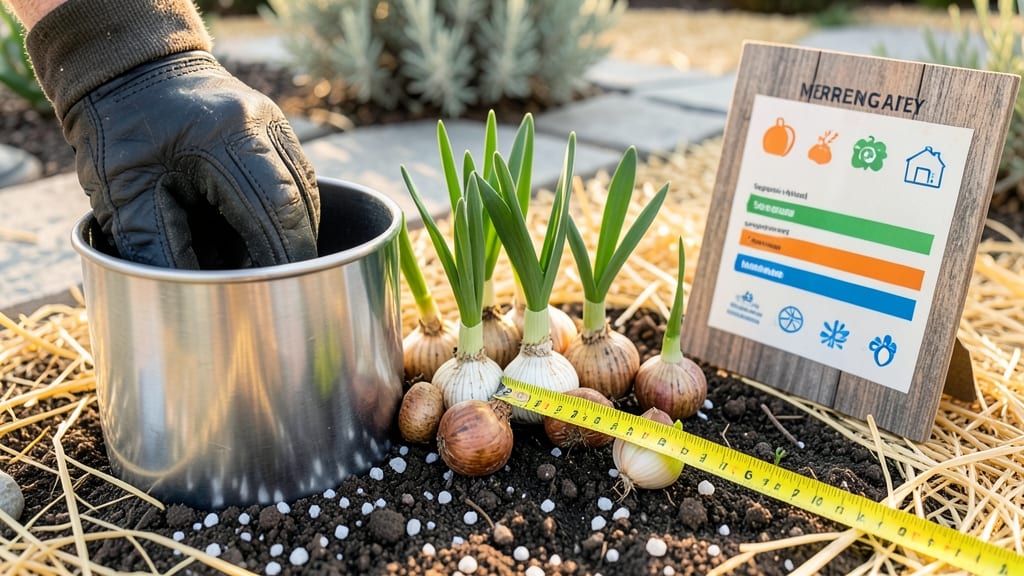
Planting bulbs in Utah isn’t just about picking a month—it’s about dodging frost, drought, and the quirks of 5-9 USDA zones that can turn your garden dreams into a winter wasteland if you’re not careful.
Whether you’re in the high desert or the Wasatch Front, timing matters more than you’d think.
Most Utah gardeners know fall is the prime window for bulbs, but the exact weeks depend on where you live. Skip the guesswork and plant too early, and frost heave will push your bulbs right back up to the surface.
Get it right, though, and you’ll be rewarded with vibrant blooms that pop against Utah’s dry landscapes.
In this guide, I’ll break down the microclimate-specific months for planting—from September’s cooler temps in northern Utah to November’s last chance in the south. Plus, I’ll share which bulbs handle Utah’s unpredictable weather like a pro and how to prep your soil for success.
Ready to turn your yard into a springtime spectacle? Let’s dig in—literally—and get those 🌱 bulbs in the ground at the perfect moment.
Utah’s best bulb planting months by elevation zone
Utah’s three distinct elevation zones create wildly different planting conditions. In lowland areas (2,000–6,000 ft) like St. George or Cedar City, you can plant fall bulbs until November 15—the last frost typically hits November 15–December 1.
Meanwhile, midland regions (6,000–8,000 ft), such as Salt Lake City or Park City, need bulbs in the ground by October 15 to avoid early freezes. At high elevations (8,000+ ft), like Logan or Alta, plant by September 15 to prevent frost heave.
Soil temperature is your best guide, not just the calendar. Bulbs need 60°F soil for root growth but 40–50°F to trigger dormancy. Use a soil thermometer to confirm readiness—especially in arid zones where soil cools faster.
In Utah’s high desert, this often means planting 2–3 weeks earlier than in the Wasatch Front.
Water scarcity is another Utah-specific challenge. Before planting, amend clay-heavy soils with compost or sand to improve drainage. In sandy soils, like those in Moab, add organic matter to retain moisture. Mulch heavily (3–4 inches) after planting to lock in moisture and protect bulbs from temperature swings.
🌱 Utah Bulb Planting Guide by Elevation
| Elevation Zone | Planting Window | Soil Prep | Frost Risk |
|---|---|---|---|
| Lowland (2,000–6,000 ft) | September 15–November 15 | Amend clay with compost; add sand to heavy soils | Low (Nov 15–Dec 1) |
| Midland (6,000–8,000 ft) | September 1–October 15 | Mulch 3–4 inches; improve drainage | Moderate (Oct 15–Nov 1) |
| Highland (8,000+ ft) | August 15–September 15 | Use gravel for drainage; protect from wind | High (Sep 1–Oct 15) |
✅ Pro Tip: Plant daffodils and alliums earliest—they tolerate cold soils better than tulips.
Spring planting is riskier in Utah due to late frosts and drought stress. If you miss fall, wait until after April 15 in northern Utah or May 1 in southern Utah to plant.
Choose drought-resistant bulbs like fritillaria or grape hyacinths, which establish faster in dry conditions. Always plant twice as deep as the bulb’s height to protect roots from temperature fluctuations.
Utah’s diurnal temperature swings (hot days, cold nights) can trick bulbs into premature sprouting. To prevent this, chill bulbs for 6–8 weeks before planting if buying early.
Store them in a cool, dark place (like a garage) until soil temps drop to 50°F or below. This mimics natural winter conditions and ensures healthy growth.
Don’t overlook wind exposure, especially in open high-desert areas. Plant bulbs in sheltered spots or use windbreaks (like shrubs or fences) to reduce desiccation. In urban gardens, containers work well—just ensure they’re well-draining and mulched to retain moisture.
For large-scale plantings, like in parks, use drip irrigation to maintain consistent soil moisture.
After planting, water deeply once to settle soil around bulbs. Then, reduce watering in winter—bulbs need minimal moisture during dormancy.
In spring, resume watering when shoots emerge, focusing on the base of the plant to avoid fungal issues. Never water leaves, especially in humid Utah valleys like Cache Valley.
Utah’s microclimates extend to urban vs. rural areas. In Salt Lake City, where heat islands delay frost, you can plant tulips until October 30. But in rural Box Elder County, frost arrives earlier—aim for October 1.
Always check local frost dates from resources like the USDA Plant Hardiness Zone Map or your local Cooperative Extension office.
Finally, test your soil’s pH—most Utah soils are alkaline (7.5–8.5), which can stunt bulb growth. Add sulfur or peat moss to lower pH to 6.0–7.0 for optimal blooms. Daffodils and hyacinths tolerate alkaline soil, but tulips thrive in neutral pH. Adjust based on
Top 5 bulbs that thrive in Utah’s microclimates (and when to plant them)
Utah’s dry climate and variable elevations make some bulbs stand out as tougher than others. I’ve tested these five varieties in my own garden—from the Wasatch Front to the high desert—and they consistently deliver vibrant blooms with minimal fuss.
The key? Planting them at the right time for your USDA zone.
For lowland Utah (2,000–6,000 ft), like Salt Lake City or Provo, aim for September–October planting. In midland zones (6,000–8,000 ft), such as Park City, stretch that window to October–November. High-altitude gardeners (8,000+ ft) should plant late August–September to avoid early frosts.
🌱 Utah Bulb Planting Guide by Variety
October–November (midland)
October (mid/highland)
October (midland)
October (midland)
🌿 Alliums and daffodils are my top picks for Utah’s arid conditions—they practically plant themselves!
If you’re new to bulbs, start with daffodils or alliums. They’re forgiving, deer-resistant, and handle Utah’s dry winds like champs. For a showstopper, fritillaries add drama with their checkered blooms, but they need well-draining soil to avoid rot.
Pro tip: Pre-soak bulbs in a fungicide solution before planting if your soil is sandy (common in Utah). This cuts down on rot risks and gives your bulbs a head start. I swear by it—my tulips last 2x longer when I do this!
For spring planting (March–April), stick to hardy varieties like daffodils or crocuses. These can handle Utah’s late frosts better than tulips or hyacinths. Just plant deeper (6–8 inches) to protect them from temperature swings.
Remember: The sooner you plant in fall, the longer the roots have to establish before winter. But don’t rush—cool soil (below 60°F) is ideal for root growth. Check your local Almanac frost dates and plant 6–8 weeks before the first hard frost hits your zone.