
Plants
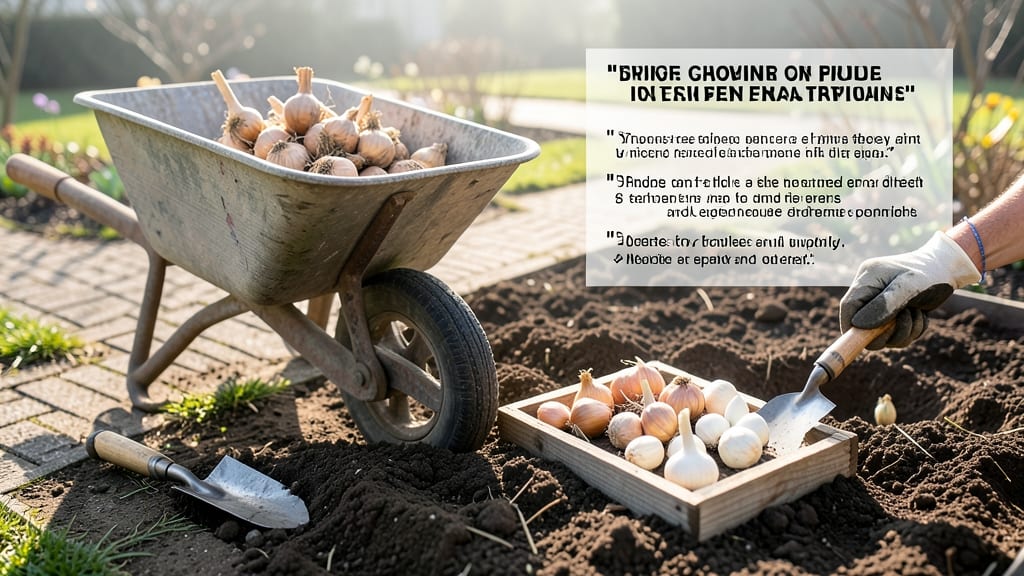
Timing your spring bulb planting isn't just about the calendar—it's about unlocking lush, vibrant blooms by understanding the perfect window for success.
In USDA Zone 6a, where frost lingers until mid-April, planting too early can leave your 🌷 Spring-Planted Bulbs vulnerable to cold snaps, while waiting too long risks stunted growth. The key lies in balancing soil temperatures, frost dates, and even lunar cycles to give your bulbs the best start.
Most gardeners assume spring planting means diving in as soon as the ground thaws, but that’s a common mistake. The ideal time to plant—typically between March and early April—depends on when your last frost date falls and whether your soil has warmed enough to encourage root development.
For Zone 6a, this usually means waiting until after April 15, when the risk of frost has passed and the ground is workable.
What if you missed the traditional window? Don’t worry—there’s still hope. I’ll show you how to adjust your approach based on bulb types like tulips and daffodils, plus how moon phases can boost your blooms’ strength.
Whether you’re a beginner or a seasoned gardener, these insights will help you avoid costly errors and grow a garden that bursts with color.
Ready to transform your garden? Let’s dive into the science-backed secrets for planting 🌷 Spring-Planted Bulbs at the perfect moment—so you can enjoy a showstopping display from late spring through summer. Your future blooms will thank you!
Optimal spring planting dates by bulb type and climate Zone
Spring is the perfect time to plant bulbs like tulips, daffodils, and hyacinths, but timing varies by USDA zone and bulb type. In Zone 6, I aim to plant most spring bulbs between March 15 and April 15, after the last frost date.
For colder zones (3-5), wait until late April to avoid frost damage, while warmer zones (7-10) can start as early as February.
Key factors like soil temperature (ideal: 40-50°F) and moisture levels determine success. I check soil readiness by pressing my finger into the ground—if it feels cool but workable, it’s time to plant.
Bulbs need 6-8 weeks to establish roots before summer heat arrives, so don’t delay once the soil warms.
Different bulbs thrive in slightly different windows. Tulips and hyacinths prefer cooler spring soil, while daffodils tolerate warmer conditions. In Zone 6, I plant tulips in early April and daffodils in late March.
Always adjust for your local last frost date—check your USDA zone map for precise timing.
Here’s how I break it down for common spring bulbs across zones:
| Bulb Type | USDA Zones 3-5 | USDA Zones 6-8 | USDA Zones 9-10 |
|---|---|---|---|
| Tulips | Late April - Early May | March 15 - April 15 | February - Early March |
| Daffodils | Early April | Late March - Early April | January - February |
| Hyacinths | Late April | March 20 - April 10 | February - Early March |
| Crocus | Early April | March 1 - March 15 | January - February |
| Alliums | Late April | April 1 - April 15 | March - Early April |
Regional variations matter! In the Pacific Northwest, I plant bulbs 2-3 weeks earlier than the table suggests due to cooler, wetter springs. Conversely, in the Southeast, I delay until mid-April to avoid early heat stress.
Always monitor weather forecasts for unexpected frost or heatwaves that could disrupt root growth.
Pro tip: Use a soil thermometer to confirm soil temps. Bulbs need consistent moisture after planting—water deeply once a week until shoots appear. In dry climates, mulch with 2-3 inches of straw to retain moisture and regulate soil temperature.
For container gardening, plant bulbs in well-draining pots with holes and use a lightweight potting mix. Containers warm up faster, so I plant mine 1-2 weeks earlier than in-ground bulbs. Choose pots that are at least 6 inches deep for single bulbs or 12 inches deep for clusters.
Don’t forget to fertilize lightly after planting! A balanced 5-10-10 fertilizer applied at half strength encourages root development without burning tender shoots. I mix it into the soil before planting for best results. Avoid high-nitrogen fertilizers—they promote leafy growth at the expense of flower production.
Finally, mark your planting spots with biodegradable flags to remember where bulbs are located. Some varieties, like tulips, multiply over time, creating stunning naturalized displays. With the right timing and care, your spring bulbs will reward you with vibrant blooms that brighten up the garden for weeks.
Moon phase planting guide for bulbs: best days to maximize growth
Planting bulbs during the right lunar phase can dramatically improve their root development and flower strength. Unlike most plants, bulbs thrive when planted during the rooting phase of the moon, which occurs between the new moon and first quarter.
This timing aligns with the moon's gravitational pull, encouraging deeper root growth before the flowering phase.
For spring-planted bulbs like tulips and daffodils, aim to plant when the moon is in Aries, Taurus, or Cancer—signs associated with growth and stability. These rooting signs create ideal conditions for bulbs to establish strong foundations before pushing up through the soil.
Avoid planting during the flowering signs (Leo, Virgo, Sagittarius), as this can weaken bulb vitality.
Check your local moon phase calendar for spring 2025 to pinpoint the best planting windows. For example, if your last frost date is April 15, target the new moon in late March or early April for tulips.
This ensures bulbs have 6-8 weeks of root growth before flowering. Use a moon phase app to track these dates—many include gardening-specific features.
Pro tip: If you miss the ideal lunar window, don’t panic. Bulbs planted during the waxing gibbous (just before the full moon) will still grow, though they may bloom slightly later.
The key is to prioritize soil temperature (at least 50°F) over perfect lunar timing. Combine both factors for the best results.
For container planting, lunar timing matters even more since roots have less room to establish. Plant bulbs in pots during the rooting phase and place them in a cool, dark location (like a garage) until shoots appear.
This mimics natural dormancy and prevents premature growth. Once shoots reach 2-3 inches, move containers to sunlight for flowering.
Remember, the moon’s influence isn’t magic—it’s about gravitational forces and water retention in the soil. Pair lunar timing with proper bulb depth (2-3x their diameter) and well-draining soil to give your plants the best shot at thriving.
With these strategies, your spring bulbs will reward you with bold, healthy blooms year after year. 🌱