
Plants
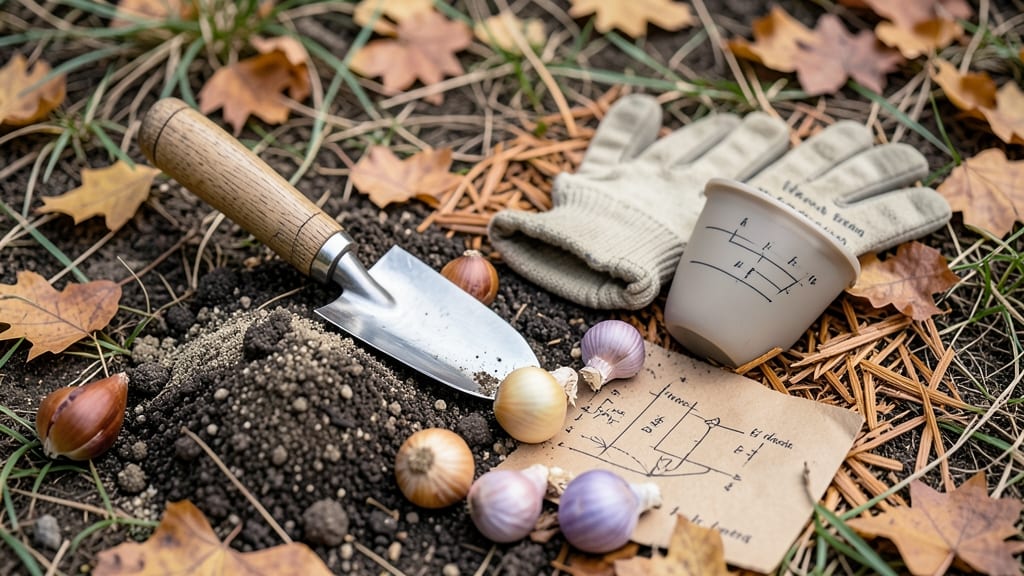
Timing your bulbs (General) 🌱 planting in fall isn’t just about throwing them in the ground—it’s the secret to stronger stems, bigger blooms, and bulbs that actually return year after year. Plant too early, and you risk rot; too late, and they won’t root before winter.
But here’s the twist: the best gardeners don’t just check the calendar—they sync planting with the moon’s phases for even better results.
If you’re in USDA Zone 6a, like many gardeners in the Midwest, your window is tight: 6-8 weeks before frost (typically mid-September to early November). That’s when soil stays workable but hasn’t frozen yet.
Miss this window, and you might end up with weak sprouts—or worse, no blooms at all next spring.
What you’ll discover is how to read your local frost dates, adjust for bulb types (tulips vs. daffodils behave differently), and use the moon’s cycle to boost root growth.
Spoiler: planting during a waxing moon isn’t just old wives’ tales—it’s a game-changer for bulb strength. Let’s break down the exact steps to get it right.
Whether you’re a first-time gardener or a seasoned pro, these insights will help you avoid common pitfalls like overwatering or planting too shallow. By the end, you’ll know exactly when to dig, how deep to go, and which moon phases to target for blooms that’ll make your neighbors jealous.
Optimal fall planting dates by US growing Zones and bulb types
Planting bulbs in the fall isn’t just about throwing them in the ground—it’s about timing them with your local climate and bulb type. Most bulbs need 6-8 weeks before the ground freezes to establish roots.
In USDA Zones 3-5, aim for late September to mid-October, while Zones 6-8 can plant until November. Southern zones (9-10) have until December, but avoid planting too late—tulips and hyacinths need cold to bloom!
Not all bulbs are created equal. Daffodils and crocuses are hardy and can handle early planting, even in August for Zone 4.
Meanwhile, tulips and alliums prefer cooler soil and do better in September-October. Snowdrops and grape hyacinths are late bloomers and can wait until October-November in colder zones. The key? Soil temperature—roots need to grow before frost sets in.
Here’s the golden rule: Plant bulbs when soil temps are between 40°F and 60°F. Use a soil thermometer to check—if it’s below 40°F, wait a week or two. In Zone 7, that’s usually mid-October; in Zone 9, it might be November.
Pro tip: Early varieties (like early tulips) can go in sooner, while late varieties (like Darwin hybrid tulips) need that extra chill time.
🌱Regional adjustments matter! In the Pacific Northwest, where winters are wet, plant earlier (August-September) to avoid rot. In the Southeast, where mild winters are common, December planting can still work for daffodils and alliums.
Always check your last frost date—bulbs need time to root before the ground freezes solid.
| USDA Zone | Ideal Planting Window | Best Bulb Types | Soil Temp Goal | Key Tip |
|---|---|---|---|---|
| 3-5 | Late August - Mid-October | Daffodils, Crocus, Tulips, Allium | 40°F - 50°F | Plant early to avoid early frost |
| 6-8 | September - November | Tulips, Hyacinths, Fritillaria | 45°F - 55°F | Wait for cooler soil |
| 9-10 | October - December | Daffodils, Allium, Snowdrops | 50°F - 60°F | Mild winters allow later planting |
Why does this matter? Bulbs like tulips and hyacinths need 12-16 weeks of cold to trigger spring blooms. Plant them too late, and you’ll get smaller flowers—or none at all. Daffodils are more flexible and can handle shorter chill periods, making them great for Zone 9+ gardeners.
If you’re in doubt, plant early—you can always add more bulbs later if needed!
One common mistake? Planting in August in cold zones. While daffodils and crocuses can handle it, tulips might rot if the soil stays too warm. Always amend your soil with compost or sand (for heavy clay) to improve drainage. Well-draining soil is non-negotiable—bulbs rot in soggy conditions.
Aim for 2-3 times the bulb’s height in depth (e.g., a 2-inch bulb goes 4-6 inches deep).
🌱Pro tip: Use a planting gauge or even a pencil to mark depth—it’s easier than guessing! For woodland gardens, plant shallowly (1-2x bulb height) to mimic natural conditions. In sunny borders
Moon phase secrets: when to plant for maximum bloom power
Timing your bulb planting with the moon phases isn't just old wives' tales—it's a science-backed way to boost root growth and flower strength. The moon's gravitational pull influences water movement in soil, helping bulbs establish deeper roots before winter.
For maximum bloom power, plant during the rooting (waxing) moon phases, which occur between the new moon and full moon.
Each bulb type responds best to specific moon phases. Tulips and daffodils thrive when planted during the waxing gibbous phase, while hyacinths and alliums prefer the waning crescent phase.
Even a 2-day difference can mean stronger blooms or weaker growth. Check a lunar planting calendar for your region to align your schedule perfectly.
| Bulb Type | Best Moon Phase | Planting Window |
|---|---|---|
| Tulips | Waxing Gibbous | 6-8 weeks before frost |
| Daffodils | Waxing Crescent | 4-6 weeks before frost |
| Hyacinths | Waning Crescent | 3-5 weeks before frost |
| Allium | First Quarter | 6-10 weeks before frost |
Avoid planting during the full moon or new moon phases, as these periods can lead to weak root systems or even bulb rot. The full moon's intense gravitational pull causes excessive water movement, while the new moon's low pull can leave bulbs dehydrated.
Instead, focus on the 7 days before and after the waxing gibbous phase for the best results.
For 2024-2025, mark your calendar for these key waxing gibbous phases in the Northern Hemisphere: October 1-3, October 29-31, and November 26-28. These dates align with the ideal 6-8 week window before the first frost in most USDA Zones 4-8.
Southern gardeners in Zones 9-10 can extend planting into early December, targeting the waning gibbous phase for late-season blooms.
Pro tip: Pair moon phase planting with soil temperature checks. Bulbs need 60°F soil for 4-6 weeks before winter to establish roots. Use a soil thermometer to confirm readiness—planting too early in cold soil can stunt growth. Combine these factors, and you'll see bigger, brighter blooms next spring.
Don't overlook the moon's sign influence either. Planting bulbs under fertile signs (Cancer, Virgo, Taurus) during the waxing moon enhances nutrient absorption. For example, a Taurus moon (April 20-29, 2025) paired with a waxing gibbous phase would be ideal for daffodil planting in Zone 5.