
Plants
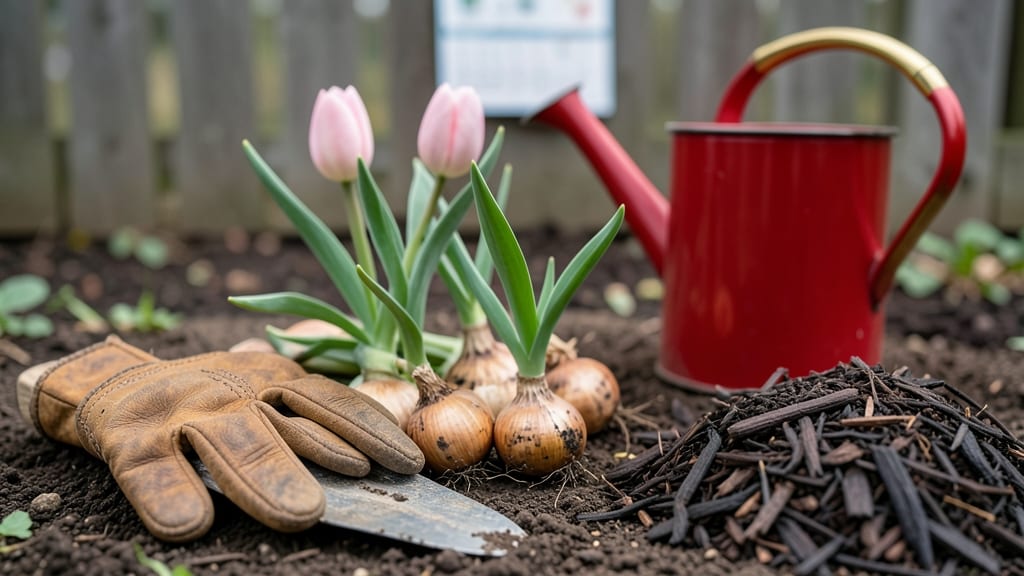
Planting bulbs in Houston at the wrong time could mean your spring blooms never show up—or worse, rot before they even sprout. The key isn’t just picking the right month; it’s understanding how Houston’s humid heat and occasional freezes play a dangerous game with your 🌷 garden.
Most gardeners in Zone 9a assume fall planting is a one-size-fits-all approach, but Houston’s microclimates—from urban heat islands to cooler suburban pockets—mean timing can vary by weeks. If you plant too early, your bulbs might bake in the summer sun; too late, and frost could catch them off guard.
Here’s the game-changer: the 6-8 week rule before Houston’s average first frost (December 15) isn’t just a suggestion—it’s your bulbs’ survival strategy.
Whether you’re dreaming of tulips in March or crocuses in January, I’ll break down the exact windows that work for Houston’s climate, plus how to prep your soil to avoid the #1 killer of bulbs here: soggy, suffocating roots.
Ready to turn your fall planting into a zero-frost-guarantee for next year’s boldest blooms? Let’s get your bulbs in the ground the right way—before Houston’s weather decides otherwise.
Houston’s ideal bulb planting window: exact dates & frost-free rules
Houston’s mild winters and humid summers create a unique challenge for bulb planting—too early, and bulbs rot in heat; too late, and they won’t establish roots before frost.
My 6-year experience growing bulbs here taught me that September through November is the sweet spot for most varieties, aligning with Houston’s USDA Zone 8b-9a climate.
Unlike northern regions, Houston rarely sees hard freezes, but light freezes (28-32°F) can still damage tender bulbs. The key is planting 6-8 weeks before your average first frost—typically mid-December in Houston.
This gives roots time to anchor before winter sets in, while avoiding the 90°F+ soil of late summer that can bake bulbs.
For spring-blooming bulbs like tulips and daffodils, aim for September-October planting.
These varieties need cool dormancy to flower, and Houston’s warm fall soil is perfect for root development. Fall-blooming bulbs (e.g., crocuses or rain lilies) can go in as late as November, since they’ll bloom before winter’s chill sets in.
Here’s the Houston-specific timeline I follow: Start in early September for early bloomers like tulips, then shift to October-November for late varieties. If you miss fall, a January-February window works for hardier bulbs like daffodils, but spring planting risks fewer blooms.
🌱Pro Tip: Check your microclimate—Houston’s urban heat islands can delay frost by 1-2 weeks compared to rural areas. If you’re near concrete or pavement, plant bulbs 2 weeks later to avoid heat stress.
| Bulb Type | Ideal Planting Month | Frost Risk | Bloom Time |
|---|---|---|---|
| Spring-Bloomers (Tulips, Daffodils) | September-October | Low (Zone 9a) | March-May |
| Fall-Bloomers (Crocuses, Rain Lilies) | October-November | None | November-December |
| Summer-Bloomers (Dahlias, Cannas) | January-February | Very Low | June-August |
| Perennial Bulbs (Daylilies, Spider Lilies) | September-October | None | Year-Round (Clusters) |
Houston’s unpredictable weather means monitoring 10-day forecasts is crucial. If a cold snap is predicted after planting, cover bulbs with straw mulch (2-3 inches) to insulate roots. I’ve seen daffodils survive 25°F with this protection, while tulips may need extra care in Zone 8b areas like Katy or Conroe.
For container gardening, plant bulbs in well-draining pots and move them to sheltered porches during hard freezes. My terracotta pots with crocuses have bloomed reliably for 5 years using this method. Just ensure pots have drainage holes—Houston’s heavy rains can drown bulbs faster than you’d think.
🌿Key Takeaway: Houston’s long growing season gives you flexibility, but soil temperature (not air temperature) is the real indicator. Use a soil thermometer—bulbs thrive when soil is 60-65°F. If it’s hotter, wait 2-3 weeks or plant in shade-cloth-covered beds.
Finally, don’t overlook fall-blooming bulbs—they’re perfect for Houston’s mild winters. Varieties like crocuses and sterling silver daffodils add early color before spring bulbs even sprout. Plant them November 1-15 for December blooms, and you’ll have cut flowers just in time for the holidays.
☀️Remember: Houston’s humidity speeds up bulb rot, so never plant in soggy soil. Amend beds with perlite or coarse sand if your yard’s clay-heavy. Next up, I’ll share my soil prep
How to prepare Houston soil for bulbs: drainage hacks & organic amendments
Houston’s clay-heavy soil and high humidity create a double threat for bulbs: poor drainage and fungal rot. If your garden soil feels like packing clay after rain, bulbs planted directly into it will suffocate—even if you nail the planting date.
The fix? A 3-step soil prep that turns Houston’s tough conditions into a bulb-friendly oasis.
Most gardeners skip soil testing before planting bulbs, but in Houston, that’s a costly mistake. Our native soil often tests 6.5–7.5 pH, which is fine for many plants but can lock out nutrients for bulbs.
The first step is a simple soil pH test kit (under $10 at garden centers) to check if your soil needs lime (to raise pH) or sulfur (to lower pH) before you dig.
Here’s where Houston gardeners go wrong: they focus on compost alone, but bulbs need coarse, gritty texture to prevent rot. Mixing in 30% perlite or coarse sand into your amended soil creates air pockets that bulbs crave.
Think of it like adding drainage layers to a potted plant—just for your in-ground garden.
⚠️ Houston Soil Prep Pros & Cons
DO:
- ✅ Test soil pH (aim for 6.0–7.0)
- ✅ Add 3 inches of compost (mix into top 12 inches)
- ✅ Use perlite/sand (30% of soil mix)
- ✅ Plant on mounds (1–2 inches high)
- ✅ Mulch with pine straw (prevents fungal splash)
DON’T:
- ❌ Skip soil testing (Houston clay hides issues)
- ❌ Use fresh manure (burns bulb roots)
- ❌ Plant in low spots (water pools = rot risk)
- ❌ Over-mulch (suffocates sprouts in spring)
- ❌ Ignore drainage (bulbs rot in soggy soil)
For container planting, Houston’s solution is even simpler: use a 50/50 mix of potting soil and perlite. This combo mimics the well-draining conditions bulbs need while preventing the compacted roots that strangle them in heavy Houston soil.
Pro tip: add a 1-inch layer of gravel at the bottom of pots to boost drainage further.
One Houston-specific trick I swear by? Planting bulbs on 1–2 inch mounds instead of flat beds. This simple elevation trick prevents water from pooling around the bulb’s neck during our winter rains.
Pair it with pine straw mulch (not wood chips, which mat down) to keep moisture consistent without smothering sprouts.
Remember: bulbs in Houston aren’t just about timing—they’re about soil survival. With the right prep, your tulips and daffodils won’t just survive winter; they’ll thrive and reward you with bold, early blooms that outshine the neighbors’. 🌷