
Plants
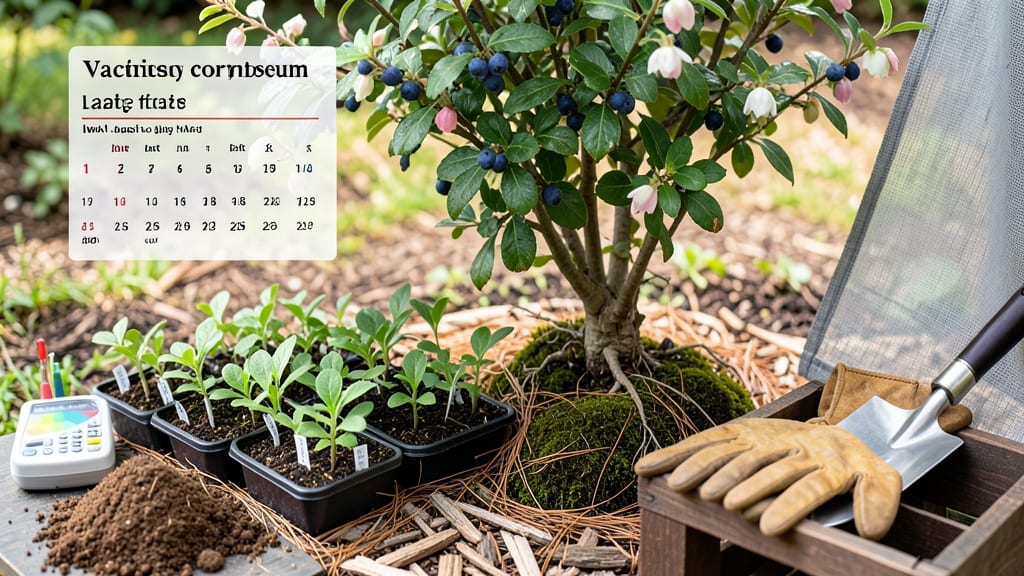
Timing your blueberry planting in Iowa can mean the difference between a thriving bush and one that struggles—or worse, never takes off. With Iowa’s 5a-6b climate and unpredictable frost dates, getting it wrong risks frost damage or stunted growth, leaving you with fewer (or no) sweet 🫐 come harvest season.
Most gardeners in Iowa swear by either late April to early June or September to early October as the sweet spots—but why? It’s all about avoiding early frosts while giving roots time to establish before winter.
I’ll break down the exact windows for your specific zone, so you can plant with confidence and skip the guesswork.
Whether you’re prepping in-ground beds or planning a container garden, knowing when to plant isn’t just about the calendar—it’s about soil temperature, chill hours, and even your local microclimate. Let’s cut through the confusion and get your blueberries off to the best possible start.
Ready to set your bushes up for success? I’ll walk you through how to read frost dates, prep your soil, and choose the right varieties for Iowa’s climate—so you can enjoy a bountiful harvest from July to August.
Iowa’s best planting windows for blueberries by chill-hour zone
Iowa’s USDA Zones 4-5 create unique challenges for blueberry growers. Unlike warmer climates, timing isn’t just about frost—it’s about chill hours, which trigger flowering. Northern Iowa needs 800-1,000 chill hours, while southern Iowa can handle 600-800.
Plant too early, and frost zaps young roots; too late, and roots struggle to establish before winter.
Most Iowa gardeners succeed with two planting windows: early spring (after last frost) or fall (6-8 weeks before first frost). Spring planting gives plants 6-8 weeks of growing season before summer heat arrives, while fall planting lets roots establish before winter dormancy.
Both work—but your local frost dates determine which is best for you.
Here’s how Iowa’s regions break down for optimal planting:
| Region | USDA Zone | Chill Hours | Spring Window | Fall Window | Best Varieties |
|---|---|---|---|---|---|
| Northwest Iowa | 4a-4b | 900-1,000+ | Late April - Early May | Mid-Sept - Early Oct | Bluecrop, Jersey |
| Central Iowa | 5a-5b | 700-900 | Early May - Early June | Late Sept - Mid-Oct | Duke, Bluegold |
| Southwest Iowa | 5b-6a | 600-800 | Mid-May - Late May | Early Oct - Early Nov | Chandler, Legacy |
For northern Iowa, prioritize high-chill varieties like Bluecrop or Jersey, which thrive in colder climates. Southern Iowa can handle low-chill types like Chandler, perfect for shorter winters.
Always check the USDA Plant Hardiness Zone Map for your exact location—even a 5-mile difference can shift your frost date by a week.
Pro tip: Use the Iowa State University Extension’s frost date calculator (available online) to pinpoint your last frost date. Add 2-3 weeks to that date for your safe spring planting window. For fall, subtract 6-8 weeks from your first frost date to avoid winter stress on new roots.
Container growing extends your options in Iowa. Potted blueberries warm up faster in spring and can be moved to protected microclimates (like near south-facing walls) to avoid late frosts. Just ensure containers are at least 18 inches deep and use acidic potting mix (pH 4.5-5.5).
One common mistake? Planting bare-root blueberries too early in spring when soil is still cold (45°F). Roots need warmer soil to establish. Use a soil thermometer—wait until soil hits 50°F+ at 4 inches deep.
For fall planting, aim for 6-8 weeks before frost so roots can anchor before winter.
Iowa’s variable weather means flexibility is key. If spring arrives early (like in 2021, when last frosts came by March 20 in southern Iowa), you might plant 4 weeks earlier than average. Always monitor weekly frost predictions from the National Weather Service and adjust your timeline accordingly.
How to calculate your Iowa blueberry planting timeline
Determining the perfect time to plant blueberries in Iowa isn’t just about checking a calendar—it’s about reading your local climate cues.
Since Iowa’s USDA zones 5a-6b experience last frost dates as late as April 15 (or earlier in northern regions), waiting too long can delay root establishment, while planting too early risks frost damage. Here’s how to pinpoint your exact window.
First, check your average last frost date using the Iowa State University Extension’s frost map (a free downloadable resource). For most of Iowa, this falls between April 15 and May 1, but rural areas may run 7-10 days later than cities due to urban heat islands.
Once you’ve got that date, add 2-3 weeks to ensure the soil has warmed to at least 45°F—the ideal temperature for root growth.
Next, verify your soil temperature with a soil thermometer (available at garden centers for ~$10). Blueberry roots struggle below 45°F, so if your soil is cooler, delay planting until conditions improve.
Pro tip: Morning soil temps are often 5-10°F cooler than afternoon readings, so test in the late morning for accuracy.
Step-by-Step Iowa Blueberry Planting Timeline
- Step 1: Find your last frost date (use Iowa State’s map).
- Step 2: Add 2-3 weeks to your frost date for spring planting (e.g., April 15 frost → plant May 1).
- Step 3: Test soil temperature (must be 45°F+).
- Step 4: For fall planting, aim for September 1-October 1 (6-8 weeks before first frost).
- Step 5: Adjust for microclimates: Urban areas plant 1-2 weeks earlier than rural zones.
📋 Pro Tip: Container-grown blueberries can be planted 2 weeks earlier than bare-root varieties.
Don’t overlook microclimates—your backyard might have its own rules. South-facing slopes warm up faster than shaded areas, while low-lying spots stay cooler longer. If you’re in northwest Iowa (Zone 5a), where winters are harsher, prioritize fall planting (September-October) to give roots time to establish before the ground freezes.
Conversely, southeast Iowa (Zone 6a) can handle late spring planting (May-June) with minimal risk.
For container gardeners, flexibility is key. Potted blueberries can be planted 2 weeks earlier than in-ground varieties since their roots warm up faster. Just ensure your containers have drainage holes and use a lightweight, acidic potting mix (pH 4.5-5.5).
If you’re unsure about your soil’s acidity, test it with a home pH kit—Iowa’s native soil is often too alkaline for blueberries.
Finally, mark your calendar for September 1-October 1 if you prefer fall planting. This window gives roots time to establish before winter while avoiding the heat stress of late summer. Just avoid planting after October 15, as new growth may not harden off before the first frost.
With these steps, you’ll plant at the perfect moment—no more guesswork, just thriving blueberry bushes ready for next summer’s harvest. 🫐