
Plants
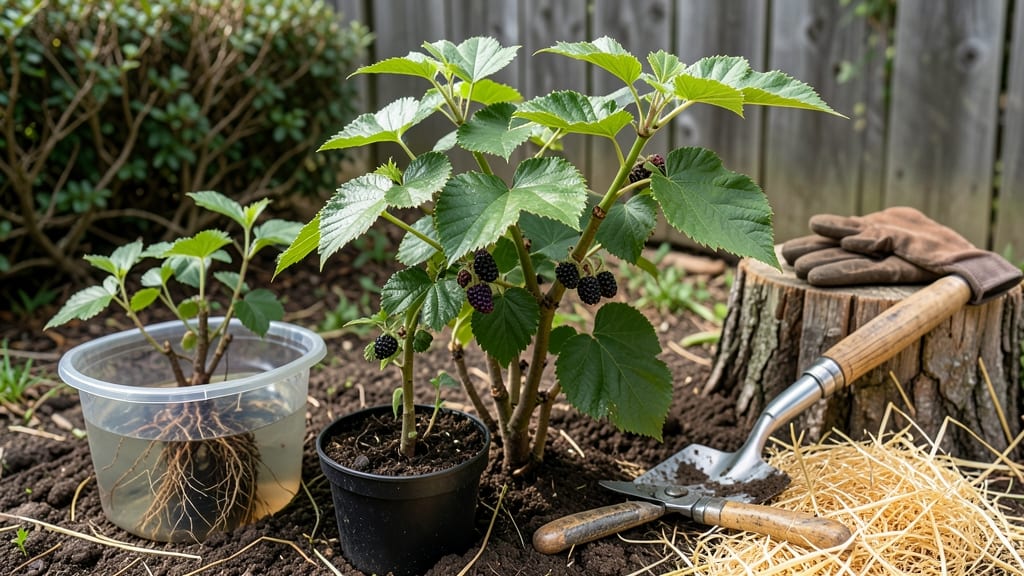
Timing your blackberry 🫐 planting in Tennessee could make or break your harvest—get it wrong, and you risk frost damage or stunted growth before the berries even ripen.
With Tennessee’s USDA zones 6a-7b and unpredictable frost patterns, knowing when to plant isn’t just about following a calendar—it’s about reading your local climate. Whether you’re in the cooler Smoky Mountains or the warmer Nashville area, the right window ensures your canes establish roots before winter’s chill sets in.
I’ll break down the best months for planting—both spring and fall—so you can align with Tennessee’s frost-free timeline and chill hour needs. Plus, I’ll share regional tweaks to avoid common mistakes that waste time and effort.
Ready to grow thriving blackberries? Let’s dive into the exact steps to plant at the perfect moment for your Tennessee garden.
Best planting months for blackberries in Tennessee based on chill hours & frost dates
Tennessee’s USDA zones 6a-7b create a unique challenge for blackberry growers—balancing chill hour requirements (300-1,000+ hours) with unpredictable frost patterns. Planting at the wrong time can leave your canes vulnerable to late spring frosts or insufficient winter dormancy.
The two safest windows are late winter/early spring (February-March) and fall (September-October), but timing varies by region.
Most Tennessee blackberry varieties need 500-1,000 chill hours to produce well. Spring-bearing types (like 'Arapaho') thrive with 600-800 hours, while fall-bearing varieties (like 'Natchez') tolerate 300-500 hours. West Tennessee’s milder winters often require fall-bearing cultivars, while East Tennessee’s colder zones suit spring-bearing types better.
Here’s how to align planting with Tennessee’s last frost dates and soil temperature thresholds (50°F/10°C minimum):
For West Tennessee (zones 7a-7b), prioritize fall planting (September) to avoid late March frosts. In East Tennessee (zones 6a-6b), early spring (March) is safer after the average last frost date (mid-March). Use the Tennessee State University Extension frost calendar for your county’s specific data.
Pro tip: Soil thermometers are your best friend—wait until soil temps stay above 50°F (10°C) for 5 consecutive days before planting. Bare-root canes planted in cool but frost-free soil establish roots faster than those in warm, dry conditions.
Thornless varieties like 'Prime-Ark Freedom' are ideal for Tennessee home gardens because they reduce harvesting hassles while maintaining high yield potential. Pair them with trellis systems to maximize sun exposure and air circulation, which is critical in Tennessee’s humid summers.
Remember: Fall planting gives canes time to develop roots before winter, while spring planting risks early season frosts. Always mulch with 3-4 inches of straw to regulate soil temperature and retain moisture during Tennessee’s hot, dry summers.
🌱
Critical mistakes to avoid when planting blackberries in Tennessee’s unpredictable spring weather
Tennessee’s spring weather can be a gardeners' nightmare—one day warm, the next a frosty surprise. Planting blackberries too early risks frost damage, while waiting too long may delay growth. I’ve learned the hard way that timing and prep are everything for blackberry success in this region.
Many gardeners make the mistake of planting bare-root canes in early February without checking soil temperatures. If the ground is still too cold (below 50°F), roots won’t establish properly. Always wait until soil temps reach at least 55°F—use a soil thermometer to confirm.
Another common error is ignoring soil drainage, especially in Tennessee’s clay-heavy soils. Poor drainage leads to root rot, which can kill your blackberries before they even fruit. Amend your soil with compost or sand to improve aeration and water flow.
Skipping the step of pruning old canes before planting is another rookie mistake. Remove all dead or weak canes from last year’s growth—this ensures your new plants have the energy to thrive. Focus on keeping only the healthiest, most vigorous canes for planting.
Finally, don’t overlook pest prevention during spring planting. Tennessee’s mild winters mean insects and diseases can linger. Treat your soil with neem oil or copper fungicide before planting to create a protective barrier against common threats like blackberry rust.
By avoiding these critical mistakes, you’ll give your blackberries the best possible start in Tennessee’s challenging climate. With the right prep, you’ll be enjoying juicy berries by summer! 🫐