
Trees
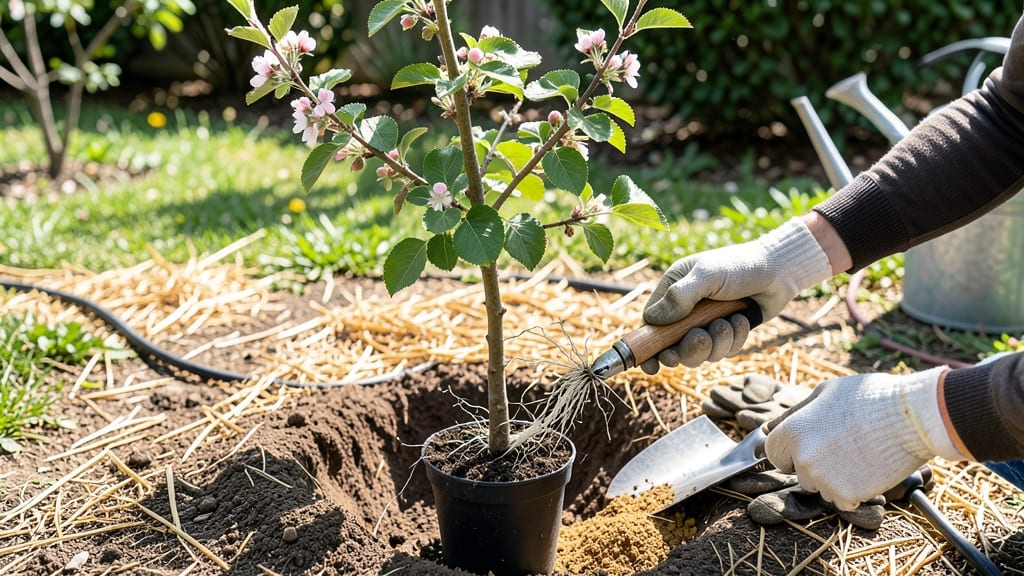
Timing is everything when it comes to planting apple trees in Alabama, where the difference between a thriving orchard and a struggling sapling often boils down to a few weeks.
If you plant too early, your 🍎 might face late frosts that stunt growth, while waiting too long risks stressing the tree before winter dormancy kicks in.
Alabama’s diverse climate—from the cooler Appalachian foothills to the warmer Gulf Coast—means there’s no one-size-fits-all answer.
But here’s the good news: with the right variety and a few key adjustments, you can plant your apple tree during a 3-month window that maximizes success, whether you’re in Zone 7b or 8a.
In this guide, I’ll break down the exact months to plant based on your region, the best apple varieties for Alabama’s heat and humidity, and how to prepare your soil for long-term fruit production. No more guessing—just proven strategies to get your tree off to a strong start.
Ready to avoid common mistakes and set your apple tree up for years of harvests? Let’s dive into the science behind Alabama’s planting calendar and why late winter to early spring is your sweet spot.
Best planting months for Alabama apple trees by chill-hour requirements
Alabama’s diverse climate zones—from the mild Gulf Coast to the cooler Appalachian foothills—mean your apple tree’s chill-hour needs dictate the perfect planting window. Low-chill varieties (300-500 hours) thrive in Mobile, while high-chill types (800+ hours) need North Alabama’s colder winters.
Let’s break down the optimal months for each category.
For bare-root trees, the best window is late winter to early spring (February-March) before buds swell. Container-grown trees offer more flexibility but avoid extreme heat or cold. In Alabama’s Zone 7b-8a, timing isn’t just about the calendar—it’s about microclimates and chill-hour accumulation.
Pro Tip: Use a chill-hour calculator (like the USDA’s) to match your variety to your county. For example, Huntsville’s 800+ hours suit ‘Fuji’, while Dothan’s 400 hours work for ‘Anna’. Miss this step, and you risk poor flowering or no fruit.
| Chill-Hour Range | Best Planting Month | Alabama Regions | Notes |
|---|---|---|---|
| 300–500 hours | February–March | South Alabama (Mobile, Dothan) | Low-chill varieties like ‘Anna’ or ‘Dorsett Golden’ |
| 500–800 hours | Late February–April | Central Alabama (Birmingham, Montgomery) | Medium-chill types like ‘Ein Shemer’ or ‘Gala’ |
| 800+ hours | March–April | North Alabama (Huntsville, Decatur) | High-chill varieties like ‘Fuji’ or ‘Granny Smith’ |
| Any | Year-round (container) | All regions | Avoid extreme heat (June–August) or frost |
If you’re planting bare-root trees, aim for dormant season (January–March) when roots are quiescent and can establish quickly.
Container-grown trees, however, can go in year-round, but spring or fall minimizes transplant shock. Post-harvest planting (October–November) works for container trees but risks winter dieback if soil stays wet.
Alabama’s unpredictable frost dates add complexity. For example, Mobile’s last frost averages March 15, while Huntsville’s can linger until April 1. Plant too early, and a late frost can kill new growth. Wait too long, and your tree won’t establish roots before summer heat arrives.
For container-grown trees, spring planting (March–April) is ideal. Water deeply after planting and mulch heavily to retain moisture. If you must plant in fall, do so by October 15 to allow roots to harden off before winter. Bare-root trees need immediate watering to revive roots.
One common mistake is planting high-chill varieties in South Alabama. For example, ‘Honeycrisp’ (900+ chill hours) won’t flower in Mobile. Instead, choose ‘Ein Shemer’ (400 hours) for reliable fruiting. Always check local extension office data for your exact county.
After planting, prune lightly to remove damaged roots and shape the canopy. Apply a 2-inch mulch layer (avoid touching the trunk) to insulate roots. In North Alabama, a winter mulch of straw helps protect against freeze-thaw cycles.
Remember: Timing + variety + care = successful Alabama apple trees. Start with the right chill-hour match, plant at the optimal window, and your tree will reward you with years of fruit. 🍏
Best planting months for Alabama apple trees by chill-hour requirements
Alabama’s apple trees thrive when planted during their dormant season, but the exact timing depends on their chill-hour needs. Most Alabama varieties need 300-800 chill hours, but some newer cultivars require as few as 200 hours to break dormancy.
Planting too early risks frost damage, while waiting too long stresses young roots before winter.
For low-chill varieties (300-500 hours), like ‘Ein Shemer’ or ‘Anna,’ your window is wider—late February through April. These trees handle Alabama’s Zone 8a warmth better but still need time to establish roots before summer heat arrives.
In contrast, high-chill varieties (800+ hours), such as ‘Fuji’ or ‘Gala,’ must go in the ground by mid-March in North Alabama to avoid bud swelling too early.
Here’s how to match your variety to Alabama’s microclimates:
Bare-root trees are best planted in late winter (January–February) when soil is workable but before buds swell. Container-grown trees, however, offer flexibility—plant them anytime except during extreme heat or cold.
For example, I planted a ‘Dorsett Golden’ in early March in Zone 7b, and it’s now thriving with minimal stress.
Pro tip: If you miss the ideal window, fall planting (October–November) is a backup, but only for container-grown trees. Water deeply before the first frost to protect roots. Just avoid planting in summer—Alabama’s heat will shock the tree’s system.
Remember, the goal is to give your apple tree 6-8 weeks of root establishment before summer’s peak. With the right timing, you’ll set the stage for bountiful harvests in just a few years. 🌱