
Plants
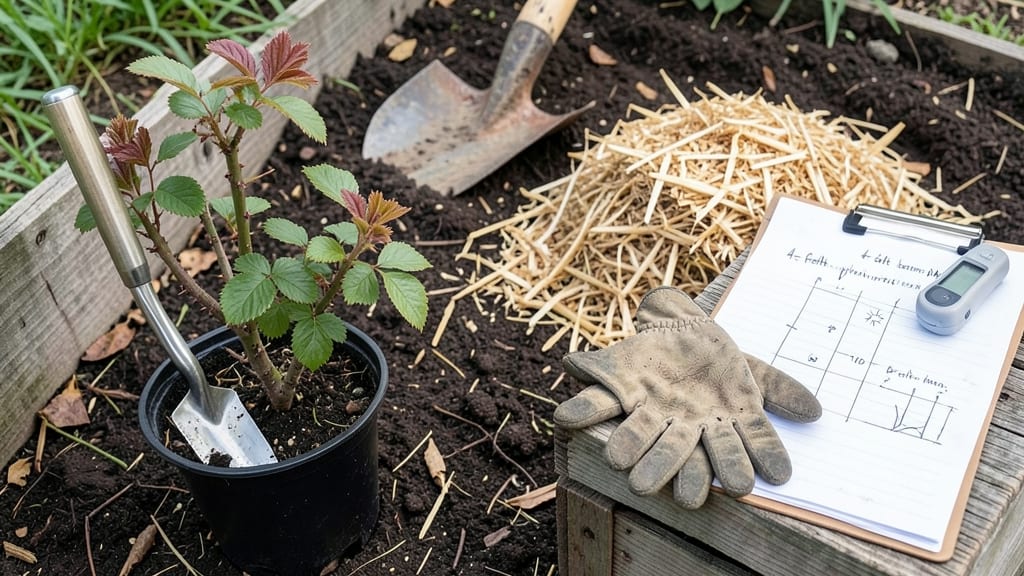
Timing your blackberry planting in North Carolina can mean the difference between a bountiful harvest of juicy 🫐 berries and struggling canes that barely survive. The key isn't just picking a random month—it's understanding how your specific region's microclimate affects when those roots should hit the soil.
Whether you're in the Piedmont's rolling hills or the Coastal Plain's warmer zones, planting too early risks frost damage while waiting too long can stunt growth.
I'll break down the exact months that work best for your area, plus how to prep your soil for those thriving canes you've been dreaming of.
Most gardeners know fall is ideal, but did you know spring planting has its advantages too? We'll cover both windows, including how to tell when your soil is ready and what to watch for in those critical first weeks after planting.
Let's get those blackberries off to the right start—because in NC's climate, getting this timing right is the most important step for a productive berry patch that'll feed you for years.
Best months to plant blackberries in NC by region
North Carolina’s three distinct regions—Coastal, Piedmont, and Mountain—each have unique microclimates and frost dates that dictate the perfect planting window for blackberries. Planting at the wrong time can stunt growth or invite disease, so timing matters more than most gardeners realize.
Let’s break down the exact months for each region to ensure your canes thrive from day one.
For Coastal NC (USDA Zones 8a-8b), the mild winters and later frosts create a longer growing season. Here, blackberries can handle fall planting until November and spring planting as late as April.
The ideal window is September to early October, when soil stays warm and frost isn’t a threat. In contrast, the Piedmont (Zones 7a-7b) has cooler nights, so aim for late February to early March in spring or September to mid-October in fall.
The Mountain region (Zones 6a-6b) is the most challenging due to earlier frosts. Plant bare-root canes in late winter (February) or potted plants in early fall (September). Delaying past these windows risks frost damage to young roots or canes.
Always check your local last frost date—Coastal areas average March 15, while Mountain regions can see frost as late as April 15.
Soil temperature is just as critical as air temperature. Blackberry roots need soil to warm to at least 55°F before planting. In fall, aim for September when soil stays above 60°F for consistent root growth.
If you’re planting bare-root canes, do it in late winter (February) while the plant is still dormant but soil is thawed. Potted plants can handle slightly cooler soil, making them a safer bet for early spring or late fall.
Regardless of region, avoid planting when soil is waterlogged or frost is forecasted within 2 weeks. Coastal gardeners can push the envelope slightly later in fall, but Mountain growers should err on the side of caution.
Always choose a south-facing site with 6+ hours of sunlight—blackberries are sun-worshippers and won’t thrive in shade. A well-chosen spot now saves headaches later.
Pro tip: If you’re in a transition zone (like the foothills between Piedmont and Mountains), monitor your local NC State Climate Office for 10-day forecasts.
A sudden cold snap can turn a perfect planting day into a disaster. Mulching heavily after planting (with straw or pine needles) adds a 5–10°F buffer against frost, giving young canes a fighting chance.
Timing isn’t just about the calendar—it’s about soil readiness, weather patterns, and plant dormancy. By aligning your planting with these regional guidelines, you’ll give your blackberries the best possible start. Next, we’ll dive into soil prep to ensure your site is ready for these hungry canes.
🌱
How to prepare your NC soil for blackberry planting success
Blackberries thrive in well-draining, slightly acidic soil with a pH between 5.5 and 6.5. If your NC garden soil is heavy clay—common in the Piedmont and Coastal regions—you’ll need to amend it before planting.
Start by testing your soil’s pH and texture at least 4–6 weeks before your chosen planting window. Many local NC Cooperative Extension offices offer free or low-cost soil testing kits.
For clay-heavy soils, mix in 2–3 inches of compost or well-rotted manure into the top 12 inches of soil. This improves drainage while adding organic matter that blackberries crave.
In sandy soils (more common in the Coastal Plain), blend in peanut hulls or leaf mold to retain moisture without compacting. Both amendments should be worked into the soil at least 6 inches deep.