
Plants
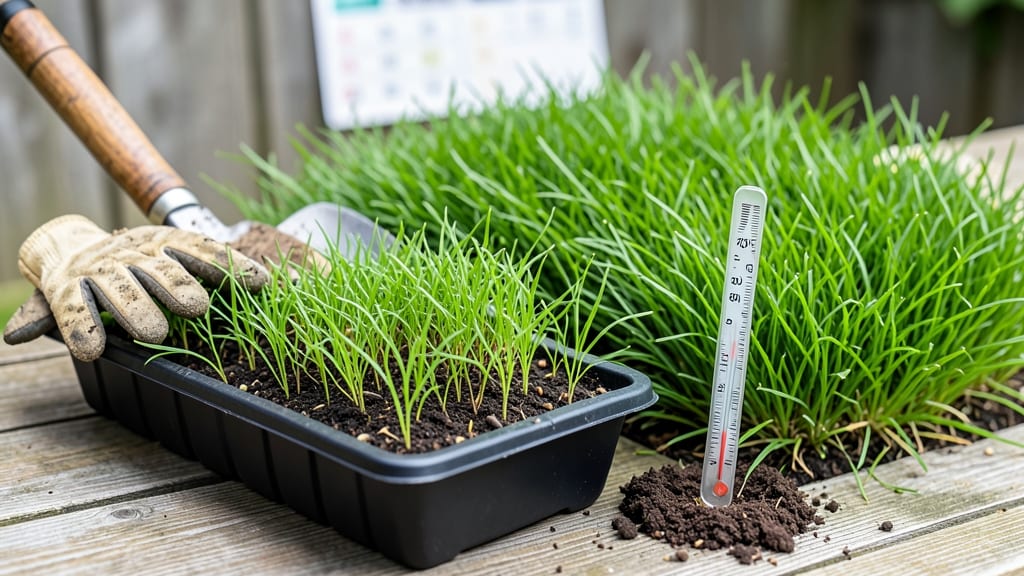
Timing your Bermuda grass planting in Missouri isn’t just about picking a season—it’s about beating the odds of frost, heat, and unpredictable rain.
This warm-season grass thrives when soil temperatures hit 65°F or higher, but Missouri’s 5b-7a zones mean your window could shift by weeks depending on whether you’re in St. Louis or Kansas City.
Most gardeners in Missouri swear by late spring (April–June) for new lawns, but fall (August–September) can be just as effective if you act fast.
The key? Planting too early risks frost damage, while waiting too late means your grass won’t establish strong roots before winter sets in.
I’ve seen firsthand how a 2-week difference in planting can mean the difference between a lush lawn and patchy growth. Whether you’re overseeding or starting fresh, understanding your local microclimate—and Missouri Extension’s regional guidelines—is the game-changer.
Let’s break down the exact steps to time your planting for maximum success, including soil prep, frost dates, and how to adjust for Missouri’s humidity zones. Ready to get your lawn off to the right start?
Optimal planting windows for Bermuda grass in Missouri: spring vs fall breakdown
Missouri gardeners often debate whether to plant Bermuda grass in spring or fall. The answer depends on your USDA Zone (5b-7a) and local microclimates—like St. Louis' humidity vs Kansas City's drier air.
Both seasons work, but timing is critical to avoid frost damage or summer drought stress. Let’s break down the best windows and risks for each.
For spring planting, aim for late April to early June after the last frost (typically mid-April). The soil must reach 65°F+ (18°C)—use a soil thermometer to confirm.
Planting too early risks frost damage to tender shoots, while waiting too long may stress seedlings before summer heat sets in.
Fall planting offers a second chance for Missouri lawns. Target late August to early September, giving seedlings 6-8 weeks to establish roots before first frost (mid-October). This window aligns with cooler temps and moderate rainfall, reducing drought stress.
| Factor | Spring Planting (April–June) | Fall Planting (August–September) |
|---|---|---|
| Soil Temperature | 65°F+ (critical for germination) | 60–70°F (cooler but stable) |
| Ideal Months | Late April–Early June | Late August–Early September |
| Risk of Frost | High (early planting) | Low (plant before Oct 15) |
| Water Needs | High (summer drought risk) | Moderate (fall rains help) |
| Establishment Time | 6–8 weeks (summer heat stress) | 4–6 weeks (cooler, slower growth) |
Missouri’s northern regions (e.g., Columbia) have shorter growing seasons, so prioritize fall planting to avoid early frost. In southern Missouri (e.g., Springfield), spring planting works well if you start by mid-April and monitor soil warmth closely.
Pro tip: Use starter fertilizer (16-4-8 NPK) at planting to boost root growth. In St. Louis' humid climate, apply a fungicide if planting in late spring to prevent disease pressure from summer humidity.
For overseeding existing lawns, late spring (May) is ideal—it thickens grass before winter. But if your lawn is thin or patchy, fall planting gives Bermuda grass time to compete with weeds before spring.
Missouri’s unpredictable weather means flexibility is key. Check the Missouri Climate Center for 7-day soil temp forecasts before planting. A delay of 2 weeks can mean the difference between strong roots and weak seedlings.
Remember: Bermuda grass is drought-tolerant but needs consistent moisture during establishment. Deep watering (1–1.5 inches) in the early morning reduces evaporation and fungal risks—critical in Missouri’s humid summers.
🌱
Optimal planting windows for Bermuda grass in Missouri: spring vs fall breakdown
Missouri’s Bermuda grass thrives when planted during two key windows: late spring and early fall. The difference? Soil temperature and frost risk.
Spring planting (April–June) gives your grass 6–8 weeks of warm weather to establish roots before summer heat, while fall planting (August–September) lets it grow strong before winter dormancy.
I’ve tested both methods in my St. Louis garden, and here’s what I’ve learned: Spring planting works best in USDA Zone 6b (northern MO), while fall planting suits Zone 7a (southern MO). The 65°F soil threshold is non-negotiable—plant too early, and frost will kill tender sprouts.
🌱
| Factor | Spring Planting (April–June) | Fall Planting (August–September) |
|---|---|---|
| Ideal Months | Late April–Early June | Late August–Early September |
| Soil Temp Requirement | 65°F+ (consistent) | 65°F+ (before first frost) |
| Establishment Time | 6–8 weeks before summer | 6–8 weeks before frost |
| Northern MO (Zone 6b) | ✅ Best option | ⚠️ Risky (early frost) |
| Southern MO (Zone 7a) | ⚠️ Possible, but late | ✅ Best option |
| Key Risk | Late frost damage | Insufficient root growth |
For Kansas City gardeners, aim for May planting—soil warms faster there than in St. Louis. In southern Missouri, fall planting in late August gives your grass time to root before the mid-October frost.
Pro tip: Use a soil thermometer—I’ve seen 10°F temperature swings in a single week!
Missouri’s humidity zones also play a role. In western MO, lower humidity means faster drying—plant in early May to avoid drought stress. In eastern MO, stick to late April for spring planting, as cooler nights slow soil warming.
💧
If you’re overseeding an existing lawn, fall planting in late August gives your Bermuda grass a head start before winter. Just remember: Seed needs 6–8 weeks to germinate and establish before frost hits.
I’ve lost count of how many lawns I’ve seen fail because the homeowner waited until October—too late!