
Plants
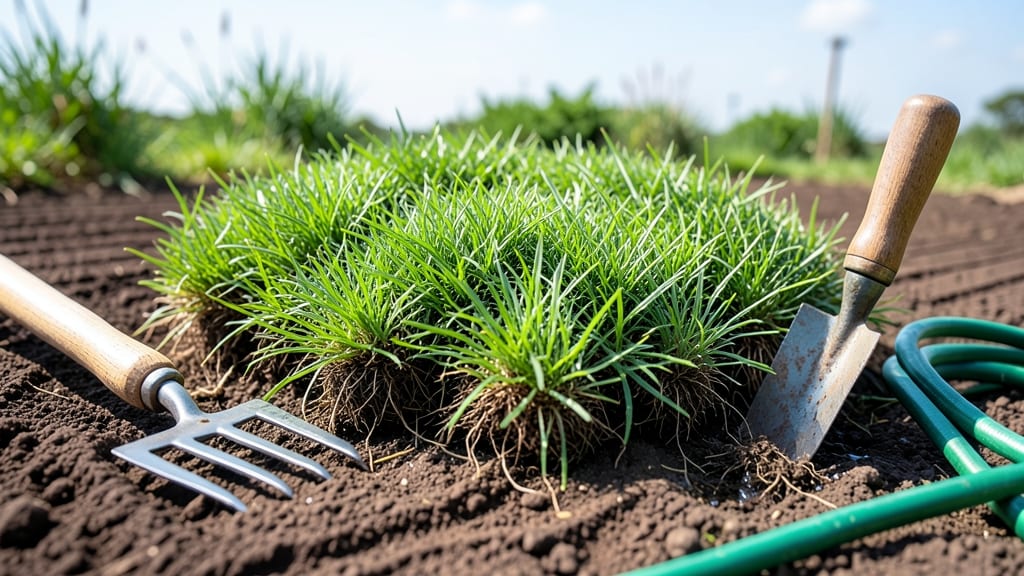
Planting Bermuda grass 🌱 at the wrong time in San Antonio can turn your dream lawn into a sun-scorched struggle—especially when those 100°F+ summers hit.
The key isn’t just when you plant, but how you sync it with soil warmth, rainfall patterns, and heat tolerance to lock in that thick, drought-proof carpet.
Most gardeners assume spring is the only window, but San Antonio’s USDA Zone 8b climate actually gives you two prime chances: early spring (March) when soil finally warms, and late summer (August) when monsoon rains soften the heat.
Miss either, and you’ll battle weak germination or fungal issues—both costly mistakes.
Here’s the game-changer: soil temperature matters more than dates. Bermuda grass needs 65°F+ soil to sprout, which in San Antonio usually means waiting until mid-April or late August.
I’ll break down the exact steps to prep your soil, water like a pro, and pick heat-resistant varieties that won’t wilt under your city’s brutal sun.
Ready to skip the guesswork? Let’s dive into the perfect planting schedule, soil tweaks, and watering hacks that’ll have your lawn thriving—even when the thermometer hits 110°F.
Best months to plant Bermuda grass in San Antonio’s climate
San Antonio’s USDA Zone 8b climate demands precise timing for Bermuda grass success. Planting too early risks cold soil, while late planting struggles against summer heat. The perfect window is when soil temps hit 65°F+, which typically occurs in April–May and again in August–September.
For seed planting, aim for mid-April to early May when spring rains taper off. This gives seedlings time to establish roots before 100°F+ temperatures arrive. Sod installation works best in late August–September, letting grass recover from summer stress before winter dormancy.
Here’s why these months work best: April–May offers warm soil without extreme heat, while August–September avoids summer’s peak drought. Both windows align with San Antonio’s rainfall patterns—just after spring showers or before monsoon season.
⚠️ Critical Mistake: Planting in March or June often fails. March soil stays too cool, and June’s heat burns young grass. Always check soil temps with a soil thermometer—65°F+ is non-negotiable for germination.
| Planting Window | Soil Temp | Rainfall | Best For |
|---|---|---|---|
| Mid-April to Early May | 65–75°F | Moderate (spring rains ending) | Seeds or plugs |
| Late August to Early September | 75–85°F | High (monsoon season) | Sod or sprigs |
| ⚠️ Avoid: March (cold soil), June–July (extreme heat) | |||
For seed-based planting, choose April 15–May 15 when daytime highs hit 80°F+ but nights stay mild. This balance prevents seed rot from lingering moisture. Sod or sprigs, however, thrive in August–September because established grass recovers faster from heat stress.
San Antonio’s microclimates matter too. Northside areas (like Stone Oak) cool faster—plant 1–2 weeks earlier than Southside (like Stonehenge). Always scout your yard: if shade covers >30% of the area, opt for shade-tolerant varieties like Celebration and plant in full sun patches.
Pro tip: Test soil moisture before planting. Stick a screwdriver into the ground—if it resists past 3 inches, wait for rain. Overwatering in April or August leads to fungal diseases like brown patch, a common killer of new Bermuda grass.
After planting, water deeply 2x daily for 2 weeks to encourage root growth. Use a rain gauge to track 1–1.5 inches per week. Once established, Bermuda grass in San Antonio needs 1 inch per week—let it go dormant in winter to survive our mild freezes.
Remember: Bermuda grass is aggressive—once planted, it spreads rapidly. Time it right, and you’ll have a thick, green lawn by summer that outcompetes weeds. Miss the window, and you’ll spend all season playing catch-up.
Best months to plant Bermuda grass in San Antonio’s climate
San Antonio’s USDA Zone 8b climate creates a unique window for planting Bermuda grass 🌱—one that most gardeners miss. Unlike cooler regions, you’ve got two prime planting seasons: early spring and late summer.
The key is avoiding the 100°F+ heat of peak summer or the unpredictable rains of late spring, which can drown seeds before they sprout.
Most local garden centers push spring planting, but late summer (August–September) is often the better bet. Why? Soil stays warm enough for germination, and monsoon rains provide natural watering. Let’s break down the exact months to plant, soil temperature triggers, and how to avoid common mistakes that ruin lawns.
| Planting Window | Soil Temp Requirement | Rainfall Risk | Heat Stress Risk |
|---|---|---|---|
| Mid-April to Early May | 65°F+ (consistent) | Moderate (spring showers) | Low (early season) |
| Late August to Early September | 70°F+ (warmer soil) | High (monsoon season) | Moderate (late summer heat) |
| ⚠️ Avoid: February–March (too cool), June–July (extreme heat) | |||
Planting in mid-April to early May gives you a head start before summer’s brutal heat sets in. The soil should be at least 65°F—test it with a soil thermometer (cheap and game-changing).
If it’s cooler, wait. Late August to early September is your second chance, when soil stays warm but temperatures are slightly milder than July’s 105°F+ swelter.
Here’s the biggest mistake I see: planting Bermuda grass in February or early March. The soil is still too cold, seeds rot, and you waste money.
Conversely, planting in June or July without shade cloth means seedlings fry within days. Timing isn’t just about months—it’s about soil temperature and weather patterns specific to San Antonio.
Pro tip: If you’re using sod instead of seed, late summer is even better. Sod establishes faster in warm soil, and you can get it planted before the first hard frost in December.
Just be prepared to water deeply 2–3 times a week until roots establish (about 2–3 weeks).
Once you’ve nailed the timing, the next critical step is soil prep. San Antonio’s clay-heavy soil needs amending with compost or sand to improve drainage, and the pH should be between 6.0 and 7.0.
I’ll cover that in the next section—because even the best planting window won’t save you if your soil is compacted or waterlogged.