
Plants
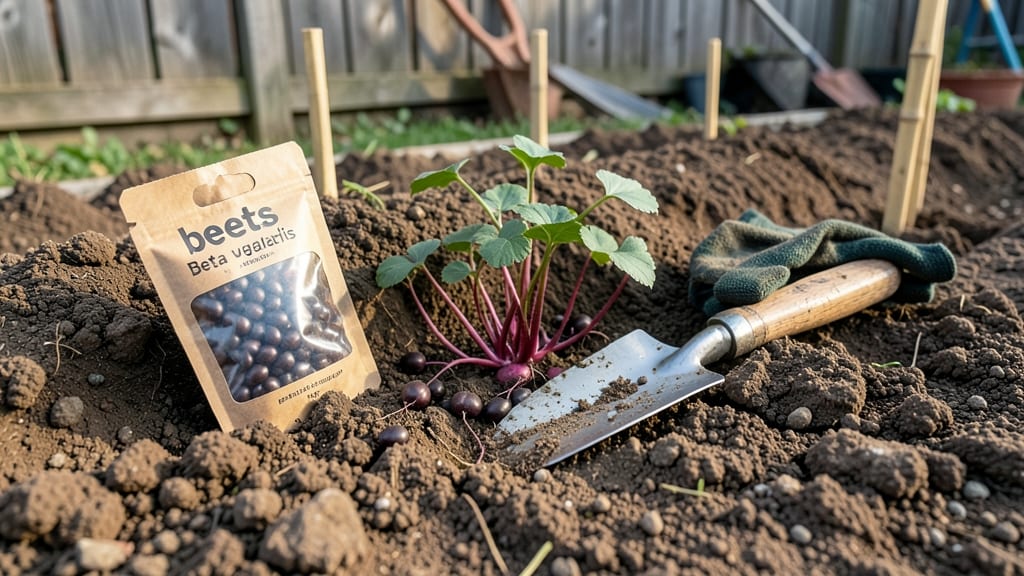
If you’ve ever pulled a bitter, tough beet from your garden, you know when to plant beets in Zone 6B is everything—especially where cool springs and unpredictable frosts can turn sweet roots sour.
Planting beets too early risks frost damage, while waiting too long means heat stress and woody textures. The key to tender, flavorful harvests lies in knowing exactly when to plant.
In Zone 6B, where last frosts typically arrive around mid-April, your best window starts 4–6 weeks before that date—usually late March. But don’t stop there: late summer plantings (July–August) also work, giving you a second harvest before frost sets in October.
This dual approach ensures a steady supply of 🍠 beets all season long.
What makes this timing so critical? Beets germinate best in soil between 45–75°F, and planting too soon can leave seeds sitting cold and damp. Meanwhile, summer heat causes roots to bolt or develop a tough texture.
With the right schedule, you’ll avoid these pitfalls and enjoy beets at their peak—sweet, tender, and ready to harvest in 50–70 days.
Ready to master the perfect planting calendar? I’ll walk you through the exact weeks before last frost, soil prep tips, and even how to stretch your harvest with succession planting. Let’s get those beets growing right!
Optimal planting windows for beets in zone 6B: exact weeks before last frost
In Zone 6B, beets love cool weather and bolt in heat—so planting at the right time ensures sweet, tender roots. The last spring frost usually hits around April 15, but your exact date may vary by 2 weeks either side.
For best results, aim to plant 4–6 weeks before your last frost date.
Beets also thrive in fall plantings, especially when soil temps drop below 75°F. Start seeds 8–10 weeks before your first frost (typically mid-October in Zone 6B). This gives them time to mature before winter sets in.
Soil temperature is critical—beets won’t germinate well below 45°F or above 85°F. Use a soil thermometer to confirm conditions before planting. In Zone 6B, this usually means waiting until mid-March for spring and starting fall seeds by early August.
Here’s your Zone 6B beet planting timeline based on frost dates and soil temps:
| Planting Window | Weeks Before Frost | Soil Temp (°F) | Germination Time |
|---|---|---|---|
| Early Spring | 4–6 weeks | 45–70°F | 7–14 days |
| Late Summer | 8–10 weeks | 50–65°F | 10–14 days |
| Fall (Succession) | 6–8 weeks | 50–60°F | 10–12 days |
🌱 Pro Tip: Use row covers to extend spring planting by 2–3 weeks if frost threatens.
For spring plantings, start seeds indoors 4–6 weeks before your last frost if you’re eager to harvest early. Transplant seedlings outdoors when soil reaches 50°F and night temps stay above 40°F. In Zone 6B, this usually aligns with late March to early April.
Fall plantings offer a second harvest window. Sow seeds 8–10 weeks before your first frost (typically early August) for a late-October harvest. Beets planted in late summer benefit from cooler temps and develop sweeter roots.
Succession planting works well in Zone 6B’s short season. Sow new seeds every 2–3 weeks from spring through early summer to ensure a steady supply. Stop planting by mid-July—beets sown later risk bolting before maturity.
Watch for soil moisture during germination. Keep seeds consistently moist (but not soggy) until sprouts appear. In Zone 6B’s dry spells, mulch with straw or grass clippings to retain moisture and regulate soil temperature.
Harvest beets when roots reach 1–3 inches in diameter for tender texture. In Zone 6B, spring-planted beets are ready by late May to June, while fall varieties mature by October. Leave 1 inch of greens attached to prevent bleeding during storage.
🌿 Key Takeaway: Plant beets in Zone 6B 4–6 weeks before last frost (spring) or 8–10 weeks before first frost (fall) for optimal sweetness and yield.
Optimal planting windows for beets in zone 6B: exact weeks before last frost
In Zone 6B, beets love cool weather and bolt (go to seed) when temperatures rise above 75°F. To avoid bitter roots, aim for two planting windows: early spring and late summer.
For most of Zone 6B, the last frost typically falls around April 15, but check your local frost data—it can vary by 1–2 weeks depending on elevation or microclimates.
For spring plantings, start seeds 4–6 weeks before your last frost date. This means sowing March 1–15 in most of Zone 6B. Beets germinate best in soil temperatures between 50°F and 85°F, but cooler soils (50°F–60°F) yield sweeter roots.
If your soil is still cold, wait until late March to avoid slow germination.
For fall plantings, sow seeds 10–12 weeks before your first frost, which in Zone 6B is usually mid-September. This gives beets time to mature before cold weather sets in.
Choose bolt-resistant varieties like 'Detroit Dark Red' or 'Golden' for fall, as they handle heat slightly better than others.
If your Zone 6B summer heat exceeds 85°F for extended periods, beets may bolt prematurely. To extend your harvest, use shade cloth or plant in partial shade during peak heat. Succession planting every 2 weeks ensures a steady supply of fresh beets.
Pro tip: Use a seedling heat mat if your spring soil stays below 50°F for too long—it speeds up germination and gives you a head start. Just remove it once sprouts appear to avoid overheating.
Remember, Zone 6B’s short growing season means every week counts. Start early, monitor soil temps, and adjust for local conditions to enjoy sweet, tender beets all season long. 🌱