
Plants
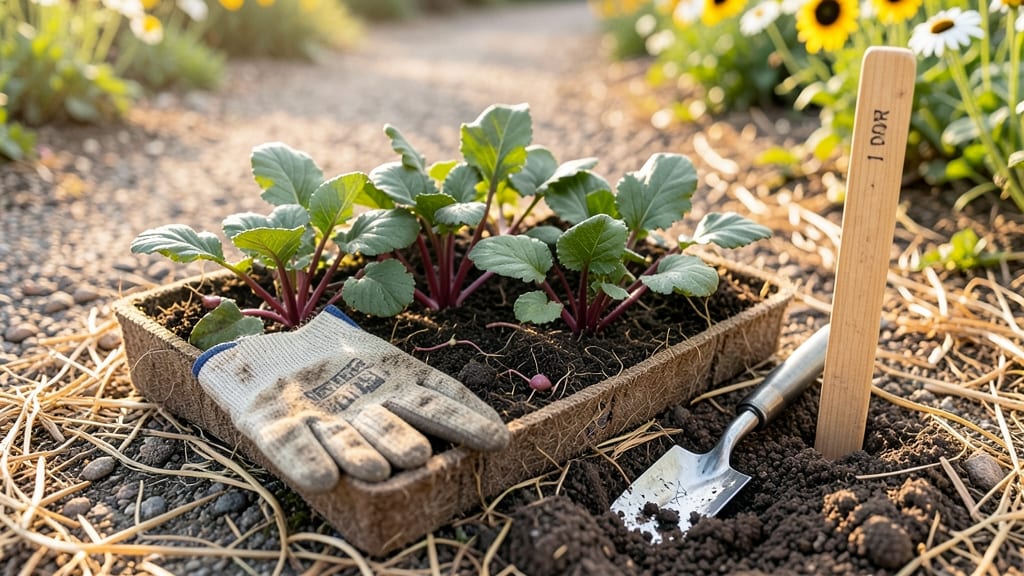
Knowing when to plant beets in Wisconsin is the difference between a garden full of tender, sweet 🍠 roots and one full of bitter, bolted greens. Wisconsin’s 4a-5b climate means frost can sneak up fast, but with the right timing, you’ll enjoy harvests from June through November.
Spring planting starts March 15—just 3-4 weeks before your last frost date—while fall offers a second chance from September 1 to October 15. The key? Avoid planting too early (risking bolting) or too late (small, tough roots).
I’ll break down the exact frost-free windows for your region, plus variety-specific tips to maximize sweetness. Whether you’re growing Detroit Dark Red for salads or Chioggia for colorful roasts, timing is everything.
Ready to grow beets that rival store-bought quality? Let’s dive into the Wisconsin planting schedule that actually works—no guesswork, just results.
Wisconsin beet planting calendar: frost dates and variety-specific timing
Wisconsin’s USDA Zones 4a-5b mean your beet planting window is short but sweet—literally. To avoid bolting (when beets flower prematurely) or frost damage, time your plantings precisely. Most gardeners in Wisconsin aim for two harvests per year: one in early summer and another in fall.
The key? Planting 3-4 weeks before your last frost date and again in early September for a late harvest.
Your last frost date in Wisconsin typically falls between mid-April (southern regions) and early May (northern zones). For example, in Madison (Zone 5a), the average last frost is April 20, while in Green Bay (Zone 4b), it’s closer to May 5.
Use these dates as your planting anchor and adjust based on your microclimate. If you’re in a frost-prone valley, err on the side of waiting a few extra days.
For spring plantings, start seeds indoors 4-6 weeks before your last frost or sow directly outdoors 2-3 weeks before the last expected frost. In Wisconsin, this means mid-March to early April for indoor starts and late March to mid-April for direct sowing.
If you’re planting outdoors, use row covers to protect seedlings from late frosts. For fall plantings, aim to sow seeds 8-10 weeks before your first frost (typically September 1-15 in most of Wisconsin).
🌱 Wisconsin Beet Planting Summary Table
| Stage | Action | Best Varieties | Notes |
|---|---|---|---|
| Spring Planting | Direct sow March 15 - April 30 | Detroit Dark Red, Golden | Use row covers for frost protection |
| Fall Planting | Direct sow September 1 - October 15 | Chioggia, Cylindra | Avoid late plantings (roots won’t mature) |
| Indoor Start | Start seeds 4-6 weeks before last frost | All varieties | Transplant outdoors after last frost |
| Harvest Window | Spring: June - July, Fall: October - November | All varieties | Harvest before first hard frost |
Not all beet varieties thrive equally in Wisconsin’s climate. For spring plantings, opt for bolt-resistant varieties like Detroit Dark Red or Golden Beet, which handle cooler temperatures better. These varieties also produce sweet, tender roots even in Wisconsin’s shorter growing season.
For fall harvests, choose Chioggia (for its stunning rainbow stripes) or Cylindra (great for storage). Avoid long-season varieties like Blood Turnip, which may not mature fully before Wisconsin’s first frost.
If you’re in Zone 4a (northern Wisconsin), focus on early-maturing varieties like Detroit Dark Red, which can be harvested in as few as 50 days.
In Zone 5b (southern Wisconsin), you have more flexibility and can experiment with slower-growing varieties like Chioggia, which typically take 60-70 days to mature. Always check the seed packet for days-to-maturity estimates and adjust your planting schedule accordingly.
One of the biggest mistakes Wisconsin gardeners make is planting too early in spring, which can lead to bolting or stunted growth from cold soil. To avoid this, wait until the soil temperature reaches at least 50°F (test with a soil thermometer) before sowing seeds.
You can also warm the soil faster by using black plastic mulch or planting near a south-facing wall. For fall plantings, avoid sowing seeds after mid-September, as the roots won’t have enough time to mature before frost.
For gardeners in Wisconsin’s frost-free zones A, B, and C, timing is everything. Zone A (southern Wisconsin) has the longest growing season, while Zone C (northern Wisconsin) is the most restrictive.
If you’re in Zone B or C, consider using a cold frame or low tunnel to extend your growing season by 2-4 weeks in spring and fall. This setup can also help protect seedlings from late spring frosts, which are common in Wisconsin’s unpredictable climate.
Pro tip: Mark your planting dates on a garden calendar and set reminders for succession planting every 2 weeks during the growing season. This ensures a continuous harvest of fresh beets.
For example, if you plant your first batch on April 1, follow up with April 15 and May 1 to stagger your harvest through June and July.
The same strategy works for fall plantings—sow seeds on September 1, 15, and 30 for a harvest through October and November.
Finally, don
How to extend Wisconsin’s beet season: success tips for early and late plantings
Wisconsin’s short growing season doesn’t mean you’re limited to just one beet harvest. With the right strategies, you can stretch your beet-growing season from early spring to late fall.
The key is succession planting and soil warming—two techniques that let you push the limits of Wisconsin’s 120-160 frost-free days.
For early plantings, start seeds indoors 4-6 weeks before your last frost date (around February 15 for most of Wisconsin). Use heat mats or transplant seedlings into cold frames to give them a head start.
This ensures you’ll have baby beets ready to harvest by late May, just as store-bought options start disappearing.
🌱
5 Ways to Extend Your Beet Season in Wisconsin
- Succession Plant: Sow seeds every 2 weeks from March to September for continuous harvests. This prevents overcrowding and ensures fresh beets all season.
- Use Row Covers: Protect early plantings with floating row covers to extend the season by 2-3 weeks in spring or 1-2 weeks in fall.
- Choose Bolt-Resistant Varieties: Opt for Detroit Dark Red or Golden Beet, which handle Wisconsin’s cool nights better than heat-sensitive types.
- Warm the Soil: Lay down black plastic mulch 2 weeks before planting to raise soil temps by 10-15°F, speeding germination.
- Fall Planting Hack: Sow seeds 8-10 weeks before first frost (around September 1) for a harvest before winter sets in.
Avoid the common mistake of planting too late in summer—beets grown in July or August often bolt (go to seed) due to Wisconsin’s long daylight hours. Instead, focus on fall plantings for the sweetest roots.
Varieties like Cylindra store well, so you can enjoy them through winter if harvested before hard frosts hit.
For late-season success, prioritize well-drained soil and partial shade in hot afternoons. Mulch heavily with straw to insulate roots and keep them tender. With these adjustments, you’ll enjoy harvests well into November, beating the clock on Wisconsin’s early frosts.
Don’t forget to harvest before hard frosts—even cold-hardy beets lose quality when frozen. Pull roots when they’re 1-2 inches wide for the best flavor, and store them in a cool, dark place for up to 3 months.
🌿