
Plants
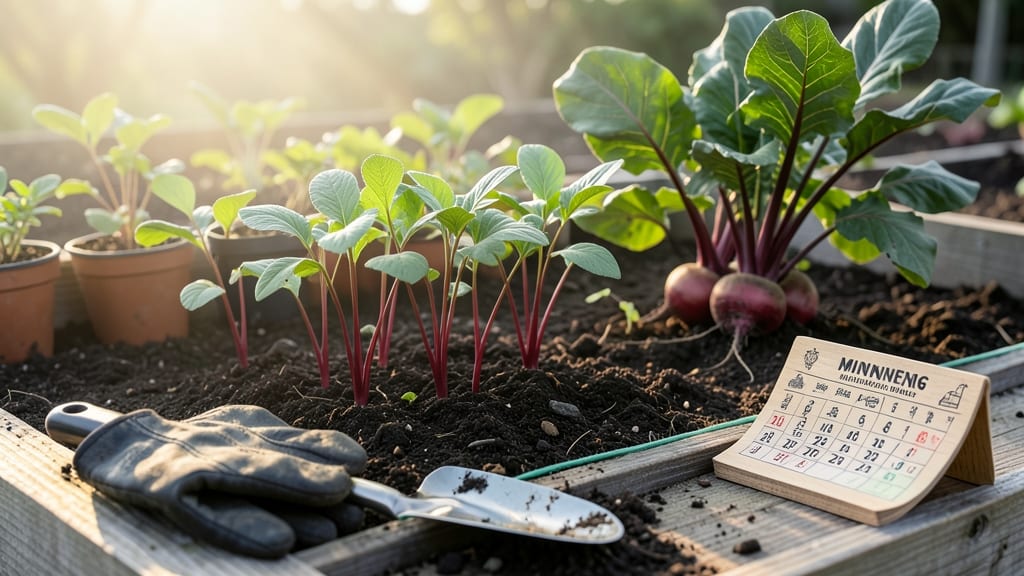
Timing your beet 🍠 planting in Minnesota isn't just about the calendar—it's about beating the frost. With USDA zones 4a-5b and unpredictable weather, one wrong move and your harvest could bolt before you even taste it.
The key? Planting mid-April to early June for spring beets and again in late July for fall crops, while keeping soil temps above 50°F to prevent that bitter bolting.
I've learned the hard way that Minnesota's short growing season demands precision. Whether you're in the Twin Cities or northern zones, knowing your last frost date (usually mid-May) is non-negotiable.
But here's the game-changer: a simple frost-date calculator method that adjusts planting windows based on your exact location—no more guessing games.
What you'll discover is how to stretch your beet season with succession planting, when to use row covers, and why soil prep matters more than you think. Let's cut through the confusion and get those sweet, tender beets growing like clockwork—because in Minnesota, timing really is everything.
From avoiding bolting to maximizing flavor, I'll walk you through the exact steps to turn your garden into a beet bonanza. Ready to plant with confidence? Let's dig in.
Minnesota beet planting timeline by frost Zone (with bolting risk alerts)
Minnesota’s short growing season and unpredictable frosts demand precision when planting beets. The key? Timing your seeds to avoid bolting (when beets flower prematurely) while maximizing frost-free days.
Most Minnesota zones (USDA 3-5) have 140 frost-free days, but your exact window depends on whether you’re in the Twin Cities, northern Iron Range, or southern Mankato region.
Bolting occurs when soil temps hit 50°F+ for extended periods. For Minnesota, this means planting too early in March/April risks bolting, while waiting too long in June shortens your harvest window. The sweet spot? Mid-April to early June for spring plantings and late July to early August for fall crops.
Use this frost-date calculator method: Subtract 60 days from your average last frost date (typically May 15 in most zones) to find your last planting window. For example, if your last frost is May 15, plant by March 16 for a summer harvest.
🌱 Minnesota Beet Planting Timeline by Zone
| Zone | Spring Planting Window | Bolting Risk | Fall Planting Window | Harvest Window |
|---|---|---|---|---|
| Northern MN (Zone 3) | Late May to early June | High (soil warms fast) | Mid-July to early August | July–September |
| Twin Cities (Zone 4) | Mid-April to early May | Moderate (use row covers) | Late July to early August | June–October |
| Southern MN (Zone 5) | Early April to mid-May | Low (longer season) | Early July to mid-August | May–November |
⚠️ Pro Tip: For northern zones, start seeds indoors 4-6 weeks before last frost to extend your season.
For spring plantings, aim to sow seeds when soil temps reach 45°F+. Use a soil thermometer—if it’s colder, wait or use black plastic mulch to warm the soil faster.
In southern Minnesota, you can even plant early March under row covers, but northern growers should wait until late May.
Fall plantings are trickier but rewarding. Seed in late July to early August for a September–October harvest before hard frosts. Beets store well in cool, dark root cellars, so don’t rush to harvest—let them mature fully for sweetness and storage life.
Succession planting is your secret weapon. Sow new seeds every 2 weeks from April to June to ensure a continuous harvest. This works especially well in Zone 5, where you can stretch your season from May to November.
Watch for late frost warnings from the MN Department of Agriculture. If a 28°F frost is forecast, cover young plants with frost cloth or straw mulch. Beets are hardy to 20°F, but young seedlings can be damaged.
Finally, choose bolt-resistant varieties like 'Detroit Dark Red' or 'Golden' for Minnesota’s climate. These handle temperature fluctuations better than standard types.
With these frost-date rules, you’ll avoid bolting and enjoy homegrown beets from June to October—no gamble needed! 🌱
How to adjust planting dates for Minnesota’s microclimates (urban vs. rural)
Minnesota’s microclimates can shift your beet planting window by weeks—especially when comparing urban heat islands like the Twin Cities to rural farmland. I’ve seen 50°F soil temps arrive in early April in Minneapolis but not until mid-May in northern zones.
The key? Adjusting your planting dates based on three critical factors: urban heat retention, northern frost risks, and prairie wind exposure.
For Twin Cities gardeners, urban concrete and buildings trap heat, letting you plant 2-3 weeks earlier than rural areas. Meanwhile, northern Minnesota’s shorter season demands a later start—sometimes as late as May 15—to avoid frost.
Even within cities, south-facing gardens warm faster than shaded spots, creating micro-differences you can exploit for earlier harvests.
Here’s how to fine-tune your approach: Check your specific last frost date (not the county average) using the MN State Climatology Office tools. Then, add 3-5 days per USDA zone (e.g., Zone 4a needs 5 extra days of warmth).
For rural areas, row covers can push your planting window back by 2-3 weeks in spring or extend it by 1 month in fall.
🌆 Urban vs. Rural Planting Adjustments
🏙️ Urban Gardens (Twin Cities)
- Plant 2-3 weeks earlier (soil warms faster)
- Use shade cloth in extreme heat (prevents bolting)
- Prioritize south-facing beds (earlier soil thaw)
- Succession plant every 2 weeks (continuous harvest)
🌾 Rural/Farmland
- Delay planting by 1-2 weeks (cooler soil)
- Use black plastic mulch to warm soil faster
- Plant later in fall (extend harvest into November)
- Watch for wind damage (stake tall varieties)
Don’t overlook wind exposure, either. Gardens in western Minnesota’s prairie regions face harsher winds that dry out soil faster. Here, windbreaks or raised beds can improve moisture retention by 30%.
I’ve also seen gardeners in these areas use straw mulch to maintain even soil temps—critical for preventing bolting when daytime temps spike above 75°F.
For fall planting, rural areas often get 1-2 extra weeks of harvest time because cooler nights slow bolting. In cities, heat islands can push first frost back by 10 days, but you’ll need to harvest earlier to avoid tough roots.
Always aim to plant fall beets by August 15—any later risks immature harvests before frost.
Protect your investment with soil temperature checks and local frost alerts. The MN Department of Agriculture offers free frost date maps—bookmark them! With these adjustments, you’ll turn Minnesota’s climate quirks into advantages, not obstacles. Your beets will thank you with sweeter roots and longer harvests.