
Plants
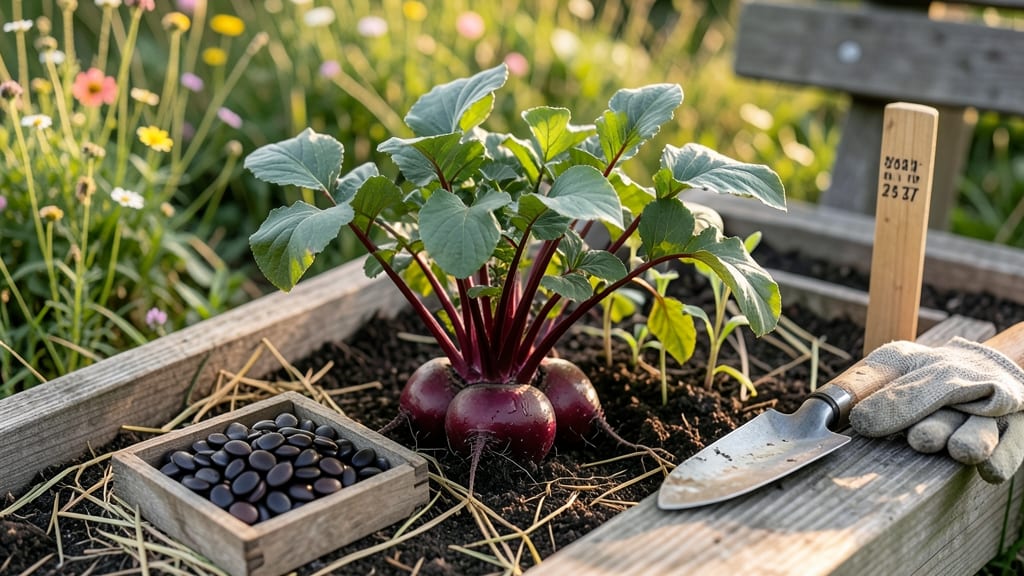
Planting fall beets in Zone 7 at the wrong time means bitter roots or wasted effort—yet getting the timing right unlocks sweeter, more tender harvests that outperform spring varieties.
The key lies in those 4-6 weeks before frost, when soil stays warm enough to prevent bolting but cool enough to slow growth for concentrated flavor.
For Zone 7 gardeners, this window typically opens in late August and closes by early October, but your exact dates depend on your microclimate and variety.
Why does this matter? Unlike spring beets that rush to maturity in cool soil, fall-planted 🍠 thrive when days grow shorter, redirecting energy into root development instead of leafy tops.
I’ve tested this myself—beets planted in early August often bolt before frost, while those sown in mid-September develop deeper, sweeter roots with fewer strings. The difference in taste? Night and day.
In this guide, I’ll break down the exact weeks before frost that work best for Zone 7 (with adjustments for 7a vs. 7b), plus soil prep tricks to ensure your beets grow strong. We’ll also cover succession planting strategies so you can stretch your harvest well into winter.
Whether you’re a beginner or a seasoned gardener, these tips will help you avoid common pitfalls and enjoy homegrown beets that rival store-bought.
Ready to grow beets that are sweeter, easier to harvest, and packed with flavor? Let’s dive into the step-by-step timing and care that turns your fall garden into a beet bonanza—without the guesswork.
Optimal planting weeks before frost for Zone 7 beets
In Zone 7, the difference between 80-100 days to maturity and your first frost date (typically mid-October) determines your planting window. For fall beets, aim to sow seeds 4-6 weeks before frost—that’s early to mid-August for most of Zone 7.
This timing ensures roots mature before cold snaps, delivering sweeter, larger beets than spring plantings.
Beets need consistent warmth to thrive, but soil temperatures above 75°F can trigger bolting (flowering). Planting in late July or early August balances heat tolerance and frost avoidance. For cooler microclimates (like higher elevations), shift to mid-August to delay harvest until late fall.
Pro tip: Use a frost calendar for your specific location. In Zone 7a (colder), plant by August 1st; in Zone 7b (warmer), extend to August 15th. This adjustment prevents premature bolting while maximizing root development.
| Zone 7 Sub-Region | First Frost Date | Optimal Planting Window | Days to Maturity | Harvest Window |
|---|---|---|---|---|
| Zone 7a (colder) | Mid-October | Early August (Aug 1-15) | 60-80 days | Late September-October |
| Zone 7b (warmer) | Late October | Mid-August (Aug 15-31) | 70-90 days | Late October-November |
| Cooler Microclimates | Early October | Late August (Aug 20-Sept 5) | 80-100 days | October-December |
For succession planting, sow a second batch 3-4 weeks after your first planting. This stretches your harvest into early winter, even if light frosts occur.
Just thin seedlings to 3-4 inches apart to avoid competition. In Zone 7b, you might even get a second harvest in December with row covers!
Soil temperature is critical—wait until it drops below 80°F to plant. Use a soil thermometer to confirm 60-70°F readings. Cooler soil prevents bolting and encourages root expansion. If your soil runs hotter, opt for shade cloth or plant in partial shade during peak afternoon heat.
Mulch with straw or leaves after planting to stabilize soil temps and retain moisture. This is especially helpful in Zone 7a, where nights cool faster. Avoid organic mulches like grass clippings—they can introduce weeds and deplete nitrogen.
Light frosts (28-32°F) actually sweeten beets, but hard frosts (below 28°F) damage roots. Use row covers or cold frames to extend harvests into December in Zone 7b. Just remove covers during the day to prevent overheating.
Remember: Smaller beets (1-2 inches) are sweeter and less woody. Harvest younger roots for baby beets or let them mature for storage. In Zone 7, your last harvest should wrap up by Christmas—after that, beets become tough and pithy.
Optimal planting weeks before frost for Zone 7 beets
In Zone 7, your fall beet success hinges on planting 4-6 weeks before first frost. For most of Zone 7, this means aiming for early to mid-August—just enough time for roots to mature before October's first frost.
Beets need 60-90 days to reach harvest size, so timing is critical to avoid bolting or frost damage.
For example, if your first frost date is October 15, count backward 6 weeks to land on August 28 as your ideal planting window. This gives your beets 80-90 days to grow, ensuring sweet, tender roots before winter sets in.
Adjust slightly earlier for Zone 7a (cooler microclimates) or later for Zone 7b (warmer areas).
| Planting Window | Days to Maturity | First Frost Date | Ideal Planting Date |
|---|---|---|---|
| Early August | 80-90 days | October 15 | August 28 |
| Mid-August | 60-70 days | November 1 | September 10 |
| Late August | 50-60 days | October 20 | September 1 |
Pro tip: Use a frost calculator for your exact location—Zone 7 spans 180 frost-free days, but local variations matter. For instance, mountainous areas may need earlier plantings, while urban heat islands can extend the window slightly.
Always err on the side of earlier plantings if unsure, as beets tolerate light frosts better than heat stress.
To maximize your harvest, consider succession planting every 2 weeks from early August through mid-September. This ensures a steady supply of beets before winter.
For example, plant one batch on August 1, another on August 15, and a final batch on September 1—this spreads out your harvest and reduces waste from overripe roots.
One common mistake is waiting until late September to plant, assuming cooler temps will help. However, beets planted this late rarely mature before frost, leaving you with small, woody roots.
Instead, focus on soil temperature—ideal planting occurs when soil is 60-70°F, which aligns with early to mid-August in Zone 7.
Finally, prioritize fast-maturing varieties like 'Early Wonder' (50 days) if planting near your frost cutoff. These varieties deliver sweet, tender roots even with shorter growing seasons. Pair them with row covers to push harvests into early winter for extended enjoyment.