
Plants
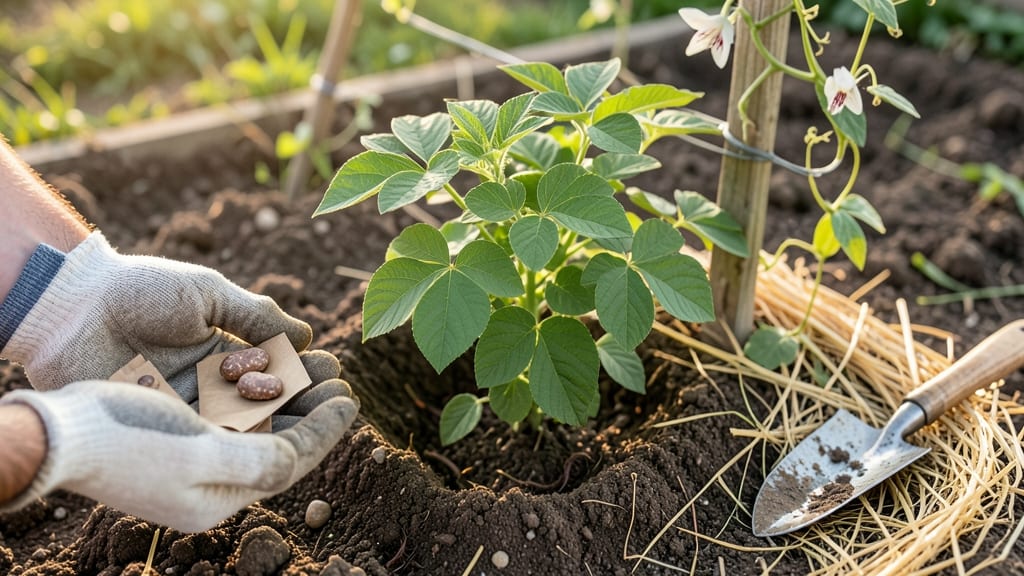
Timing your when to plant beans in Minnesota can mean the difference between a bountiful harvest and wasted effort—especially when frost sneaks in unexpectedly. If you’ve ever watched your 🌱 beans wilt overnight after a late spring chill, you know how crucial getting it right is.
The good news? With Minnesota’s 4a-5b climate zones, there’s a sweet spot between mid-May and early June that works for nearly every gardener.
Most gardeners assume "after last frost" is the golden rule, but soil temperature plays an even bigger role. Beans need warm earth—at least 60°F—to germinate properly, and waiting for the air to warm won’t cut it.
That’s why I’ve broken down exactly how to check your soil, spot the warning signs of premature planting, and adjust for Minnesota’s notorious mid-May frost risks.
Here’s the game-changer: even if you miss the ideal window, you can still extend your harvest with succession planting. Whether you’re growing bush beans or pole varieties, I’ll show you how to stagger plantings every 2 weeks for a steady supply from July through September.
No more empty pantries or regretful "what ifs."
Let’s dive into the soil temperature checklist that’ll help you plant with confidence—because in Minnesota, the margin between success and failure is narrower than you think.
Minnesota bean planting dates by last frost risk zones (with soil temperature guide)
Minnesota’s frost dates can vary by 10-14 days between northern and southern regions, so knowing your USDA Zone is critical. Most of the state falls in Zones 4a-5b, with northern MN (Zone 3-4) facing earlier frosts than southern MN (Zone 5).
For beans, which thrive in warm soil (55°F+), timing your planting to match these zones ensures strong germination and healthy growth.
Beans are warm-season crops, meaning they cannot tolerate frost at any stage. In Minnesota, the average last frost date ranges from May 10th (southern MN) to May 25th (northern MN).
However, soil temperature is a better indicator than air temperature—beans need the ground to stay above 60°F for at least 10 days before planting. This often means waiting until late May or early June in most areas.
Bush beans (like ‘Provider’) mature faster (50-55 days) and are ideal for early planting, while pole beans (like ‘Kentucky Wonder’) take longer (60-65 days) but produce more over time. If you’re in Zone 4a (northern MN), start with bush varieties for a quicker harvest. In Zone 5b (southern MN), you can afford to plant pole beans slightly later and still enjoy a full season.
If you’re unsure about your last frost date, use the 50°F rule: Wait until the average nighttime low stays above 50°F for 5 nights in a row. This is a safer bet than relying on calendar dates, as late frosts can still occur in May.
For example, Minneapolis (Zone 4b) saw a late frost on May 28, 2020, so planting before June 1 carried risk.
For pole beans, which take longer to mature, consider starting seeds indoors 2-3 weeks before your target outdoor planting date.
Use biodegradable pots and transplant seedlings after soil warms to avoid shocking the roots. Bush beans, on the other hand, can be direct-sown once soil is ready—they germinate quickly and don’t need the extra time.
One pro tip for Minnesota gardeners: Use row covers or black plastic mulch to warm soil faster. Lay down plastic 1-2 weeks before planting to raise soil temperature by 5-10°F. This can shave 7-10 days off your planting timeline, giving you an earlier harvest. Just
In northern Minnesota (Zone 4a), where summers are shorter, focus on fast-maturing varieties like ‘Provider’ or ‘Blue Lake Bush’. These can be planted as late as June 10 and still yield before the first frost in early September. In southern Minnesota (Zone 5b), you have more flexibility—try succession planting
5 Critical soil temperature rules for bean success in Minnesota (and how to test yours)
Minnesota’s unpredictable spring can turn your bean planting plans upside down if you ignore soil temperature. I’ve learned the hard way—planting too early when the ground is still chilly leads to stunted growth or worse, seeds that never sprout.
The key is waiting for soil to hit at least 60°F, but how do you know when that’s the case?
Most gardeners focus on air temperature, but beans need warm soil to germinate. A soil thermometer ($10 at garden centers) is your best tool—stick it 2 inches deep (where seeds will be) and check it in the late afternoon.
If it reads below 60°F, your beans are at risk. Pro tip: Morning readings can be 10°F cooler, so always check in the afternoon.
Planting beans in below-60°F soil causes:
- Slow germination (takes 2+ weeks instead of 5-7 days)
- Fungal diseases (blackened, mushy seeds)
- Stunted plants that never produce pods
🌱 Solution: Use black plastic mulch 1-2 weeks before planting to warm soil naturally.
If your soil is still too cold, don’t panic. You can warm it up fast with black plastic sheeting—lay it down 1-2 weeks before planting to raise temperatures by 10-15°F.
Another trick? Plant near dark-colored rocks or compost piles, which absorb heat during the day and release it at night.
Watch for warning signs of premature planting: yellowing leaves, stunted growth, or seeds that rot in the soil. If you see these, pull them up and replant when soil warms. Remember, beans won’t forgive cold soil—once they’re in, they’re committed to germinating, even if conditions aren’t ideal.
For container gardeners, soil warms faster in pots than in the ground, but it also cools down quicker. Move containers to a sunny, sheltered spot and use dark-colored pots to help retain heat. If nighttime temps drop below 50°F, cover pots with row fabric to protect young seedlings.
Now that you know how to test and warm your soil, you’re ready to plant with confidence. Next, we’ll cover the best bean varieties for Minnesota’s short season and how to stretch your harvest with succession planting—because why stop at one batch when you can have beans all summer?