
Plants
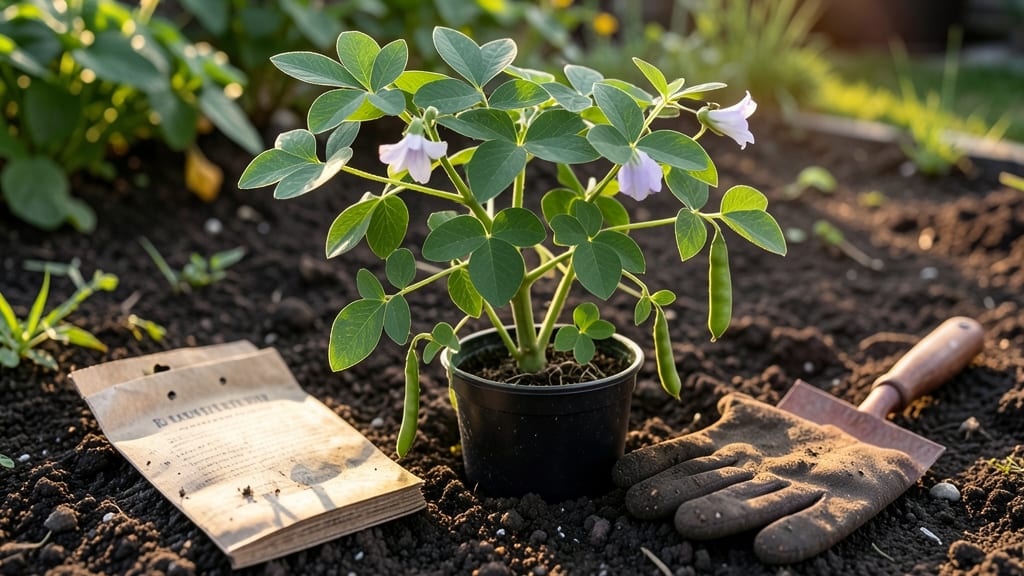
If you’ve ever planted beans in Kentucky only to watch them bolt into tough, stringy pods before you could even harvest, you’re not alone. The right timing is everything—especially when dealing with the 6a-7a zone’s unpredictable springs and sweltering summers.
Most gardeners assume "after last frost" means instant success, but in Kentucky, that’s just the starting line. Soil temperature, humidity, and even your bean variety play a bigger role than you might think.
I’ll break down the exact weeks to plant for both spring and fall harvests—so you can avoid the heartbreak of wasted effort.
Whether you’re growing bush beans for quick pickings or pole beans for a summer-long harvest, the key is knowing when to put those seeds in the ground.
We’ll cover soil prep, spacing tricks, and how to adjust for Kentucky’s late frosts and early heat waves—because timing isn’t just about the calendar, it’s about the conditions.
Ready to turn your 🌱 bean patch from a gamble into a guaranteed harvest? Let’s get those seeds in the dirt at the perfect moment—before the weather ruins your plans.
Kentucky’s exact bean planting windows by variety (avoid bolting)
Kentucky’s USDA Zones 6a-7a give you a 165-day frost-free season, but timing bean planting wrong means bolting (premature flowering) or stunted growth. The key is planting when soil hits 60°F and staying ahead of Kentucky’s unpredictable spring rains.
For most varieties, this means April 15–May 15 for spring harvests or late July–August for fall crops.
Bush beans (Phaseolus vulgaris) are the fastest to mature (50–60 days), while pole beans (55–70 days) need more time. Lima beans (70–90 days) demand even warmer soil. Missing these windows risks stringy pods or failed germination from cold soil.
| Variety | Planting Window | Days to Harvest | Notes |
|---|---|---|---|
| Bush Beans (e.g., 'Blue Lake') | April 15–May 15 | 50–60 days | Compact, high yield; plant in succession every 2 weeks. |
| Pole Beans (e.g., 'Kentucky Wonder') | April 20–May 10 | 55–70 days | Needs trellis; harvest longer. |
| Lima Beans (e.g., 'Fordhook') | May 10–June 1 | 70–90 days | Wait for 70°F soil; prone to bean beetles. |
| Fall Planting (All Types) | Late July–August | 50–70 days | Aim for harvest before Oct 15 frost. |
For spring plantings, start seeds indoors 2–3 weeks before your last frost (April 15 in Kentucky). Harden off seedlings for 7–10 days before transplanting. If nights stay below 50°F, use row covers to protect tender seedlings.
Kentucky’s humidity and heat can stress beans, so succession planting every 2 weeks ensures a steady harvest. For example, plant Blue Lake bush beans on April 15, May 1, and May 15 to stretch your harvest through July.
Fall plantings are trickier—aim for late July so beans mature before the October 15 first frost. Use fast-maturing varieties like 'Contender' (50 days) to beat the clock. Mulch heavily with straw to insulate roots from soil temp swings.
Pro tip: Test your soil’s pH (6.0–7.0) and add compost before planting. Beans are nitrogen-fixers, so avoid over-fertilizing—they’ll bolt faster from excess nitrogen. Instead, side-dress with aged compost at planting.
Watch for bean leaf beetles and Japanese beetles, common in Kentucky. Handpick pests early or use neem oil to protect young plants. Rotate planting locations yearly to prevent soil-borne diseases like root rot.
If you’re new to beans, start with bush varieties—they’re forgiving and high-yielding. Pole beans need more space and support, but they produce longer. Lima beans are a rewarding challenge for experienced gardeners.
Remember: Timing is everything. Plant too early, and cold soil delays germination. Plant too late, and bolting ruins your crop. Kentucky’s microclimates (e.g., cooler mountain areas vs. hotter Bluegrass) may shift your ideal dates by 1–2 weeks, so observe your garden’s patterns.
How to time bean planting for Kentucky’s unpredictable spring weather
Kentucky’s spring weather is famously unpredictable—one day it’s 50°F with frost warnings, and the next, it’s a scorching 85°F heat wave. If you plant beans too early, you risk frost damage or stunted growth.
Plant too late, and your beans bolt before you can harvest. The key is adjusting your planting dates based on soil temperature and weather forecasts, not just the calendar.
Most gardeners in Kentucky’s 6a-7a zones wait until after the average last frost date (April 15), but that’s not always safe. I’ve learned the hard way that waiting for consistent 60°F soil temps is more important than checking a frost chart.
Use a soil thermometer to confirm—beans won’t germinate well in cold soil, no matter how warm the air feels.
Here’s my foolproof method: Start seeds indoors 4-6 weeks before your target outdoor planting date. This gives you a head start if spring drags on.
For example, if your soil hits 60°F on May 1, plant your indoor starts outdoors around April 15 to ensure they’re established before heat sets in.
Another trick? Use row covers or cold frames to protect young plants if a late frost sneaks up. I’ve saved entire rows of beans by tossing a lightweight cover over them when the forecast calls for 32°F or lower. Just
Don’t forget about fall planting either! Kentucky’s mild autumns allow for a second harvest. Aim to plant beans 8-10 weeks before the first frost (October 15), typically in late July or early August. This gives them time to mature before winter sets in.
Watch for heat stress signs like wilting or yellowing leaves—these mean your beans are struggling. If temperatures climb above 90°F, provide afternoon shade with a shade cloth to keep pods from toughening prematurely. A little extra care now means sweeter, more tender beans later.
Timing isn’t just about the calendar; it’s about reading the weather and adjusting on the fly. With these tips, you’ll turn Kentucky’s unpredictable spring into your 🌱 bean-growing advantage.
Late Frost Risk?
If frost is forecasted after planting, cover seeds with mulch or a blanket until temperatures rise. Beans are sensitive to cold—even 35°F soil temps can halt germination for days.
Pro tip: Keep a planting journal to track your success. Note the exact dates you plant, soil temps, and any weather anomalies. Over time, you’ll spot patterns in your microclimate and fine-tune your schedule.
For example, my garden in Lexington often needs beans planted 2 weeks later than the Louisville area due to cooler nights.
Remember, the goal isn’t perfection—it’s adaptability. Kentucky’s weather will always throw curveballs, but with these strategies, you’ll harvest crisp, flavorful beans no matter what Mother Nature throws your way. Happy planting!