
Plants
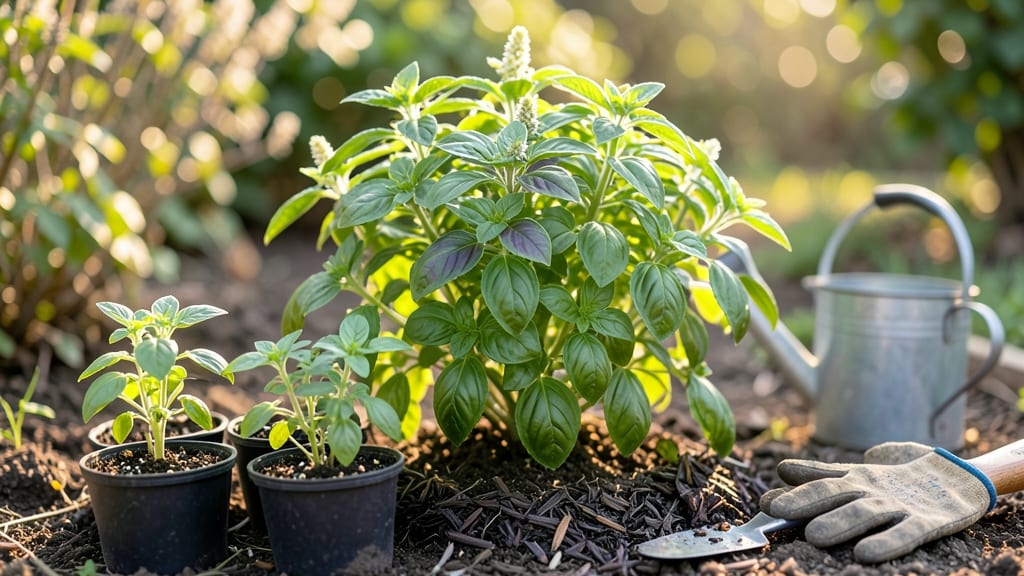
Planting basil in Georgia at the wrong time can turn your dream herb garden into a bitter disappointment—thanks to our unpredictable spring nights and scorching summers. The key to lush, flavorful basil lies in understanding soil temperature triggers and avoiding the dreaded bolting that ruins harvests.
For Georgia gardeners in zones 7a-8b, timing is everything. Start seeds indoors by mid-March or sow directly after the last frost (typically early April), when soil reaches at least 55°F.
But here's the catch: late summer plantings in August can also yield great results if you play your cards right.
I've learned the hard way that rushing basil into cold soil or letting it bake in summer heat leads to bitter leaves and wasted effort.
Let me show you exactly when to plant, how to extend the season, and the simple tricks that keep your basil thriving from May through October—or even later.
Whether you're a first-time gardener or a seasoned pro, these Georgia-specific strategies will help you grow basil that tastes fresh, stays productive, and never bolts before its time. Ready to transform your garden?
Georgia basil planting calendar: soil temperature triggers to prevent bolting
Georgia’s USDA Zones 7a-8b create a tricky balance for basil growers—too early and frost kills tender seedlings, but too late and heat stress triggers bolting.
The key is planting when soil temperatures hit 55-60°F, which typically aligns with mid-March to early April for spring plantings and late August for fall harvests.
Basil thrives in Georgia’s long growing season, but its sensitivity to temperature swings means timing matters more than most herbs. In Zone 7a (northern GA), wait until April 15 to avoid late frosts, while Zone 8b (southern GA) gardeners can start as early as March 1 in protected microclimates.
Here’s your Georgia-specific basil planting calendar with soil temperature triggers and frost-free windows to maximize leaf production and avoid bitter, flowering stems:
| Planting Window | Soil Temp Threshold | Frost Risk | Heat Tolerance | Best Varieties |
|---|---|---|---|---|
| Mid-March to Early April | 55-60°F | Low (after last frost) | Moderate (avoid >90°F) | Genovese, Sweet Basil |
| Late August to Early September | 60-65°F | None (first frost Nov 15) | High (cooler nights) | Spicy Globe, Purple Basil |
| Early May (succession) | 65°F+ | None | Low (shade cloth needed) | Lemon Basil, Thai Basil |
For spring plantings, start seeds indoors 4-6 weeks before your last frost date (typically March 15) using grow lights to simulate long days. Transplant seedlings outdoors only after nighttime temps stay above 50°F consistently.
Georgia’s summer heat (especially July-August) can cause basil to bolt within 2-3 weeks if planted too early. To delay flowering, use 30-50% shade cloth during peak afternoon sun (12 PM–4 PM) and mulch heavily to keep roots cool.
Fall plantings in late August give basil a second-chance harvest before frost. Choose heat-tolerant varieties like Spicy Globe and plant in partial shade to avoid the 90°F+ temperatures that trigger bolting.
In Zone 7a (northern GA), aim for May–October harvests from spring plantings, while Zone 8b gardeners can extend harvests until November with proper shading and watering.
Remember: Basil’s ideal daytime temps are 70-80°F. When Georgia’s mercury climbs above 90°F for multiple days, even well-established plants will bolt rapidly—so plan your succession plantings accordingly.
🌿
Georgia basil planting calendar: soil temperature triggers to prevent bolting
Georgia’s basil planting success hinges on two critical factors: soil temperature and frost-free windows. Since basil is heat-loving but frost-sensitive, planting too early risks cold damage, while waiting too long can trigger bolting (premature flowering).
The ideal soil temperature for planting is 55-60°F, which typically aligns with mid-March to early April in most of Georgia.
For USDA Zones 7a-8b, the last frost date usually falls around March 15, but mountain regions (like Zone 7a) may experience late frosts into April. Always wait until nighttime temperatures consistently stay above 50°F before planting outdoors.
In southern Georgia (Zone 8b), you can push planting to mid-February if using row covers for protection.
Georgia Basil Planting Timeline
| Stage | Action | Soil Temp | Notes |
|---|---|---|---|
| Start Seeds Indoors | 6-8 weeks before last frost | 65-75°F | Use grow lights for 12+ hours/day |
| Transplant Outdoors | After last frost (mid-March to early April) | 55-60°F | Hardening off required for 7-10 days |
| Direct Sow Outdoors | Late April to early May | 60-65°F | Plant seeds 1/4" deep, 12" apart |
| Late Summer Planting | August (for fall harvest) | 65-70°F | Use shade cloth 30% to prevent bolting |
| First Frost Risk | Mid-November | N/A | Harvest before temperatures drop below 40°F |
If you miss the spring planting window, don’t despair—Georgia’s long growing season allows for a second planting in late August. This fall basil thrives in cooler temperatures and produces flavorful leaves until the first frost.
Just be prepared to use shade cloth during peak summer heat (90°F+) to prevent bolting. In northern Georgia, aim for August 15, while southern regions can extend planting to early September.
Pro tip: Use a soil thermometer to monitor temperatures—basil roots struggle below 50°F, leading to stunted growth or rot. In clay-heavy soils common in Georgia, mix in compost to improve drainage and warmth retention.
This simple step can advance your planting window by 1-2 weeks by raising soil temperatures faster.
For container gardening, start seeds indoors in early March and transplant after the last frost. Containers warm up faster than garden beds, giving you an edge in cooler microclimates. Just ensure pots have drainage holes—waterlogged roots are a common killer of basil in Georgia’s humid climate.
Remember: bolting (when basil flowers prematurely) is triggered by heat stress or long nights. In Georgia, this often happens in June-July if planted too early. To delay bolting, pinch off flowers as soon as they appear and harvest leaves regularly to encourage bushier growth.