
Plants
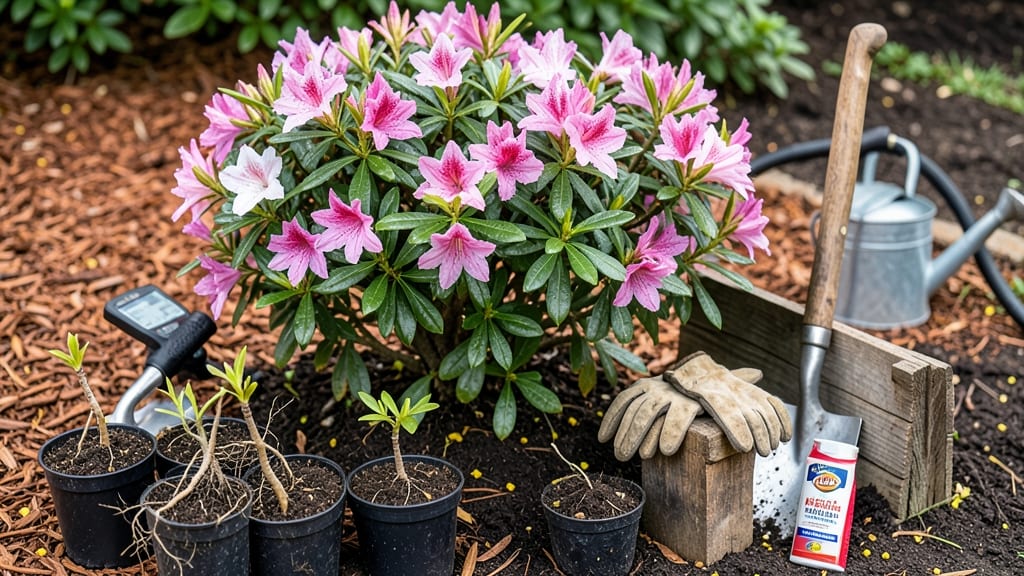
Best months to plant azaleas in Texas by variety (frost-proof guide)
Texas' diverse climate—from North Texas' chilly winters to South Texas' scorching summers—means azalea planting timing varies dramatically by region. In USDA Zones 8a-9a (like Dallas or Austin), late frosts linger until mid-February, while Zone 10a (Houston, San Antonio) rarely sees frost.
My strategy? Plant when soil temps stay above 60°F and avoid extreme heat or cold snaps.
Fall planting (October-November) is ideal for most Texas gardeners because cooler temps and consistent rainfall help roots establish before summer. Evergreen varieties like 'George L. Taber' thrive when planted in early fall, while deciduous types can handle late fall better.
Spring planting (February-March) works for Zone 10a but risks heat stress in Zone 8a.
Here’s the critical rule: Never plant when daytime temps exceed 90°F—azalea roots suffocate in heat. In North Texas, wait until after the last frost date (usually mid-February), while South Texas gardeners can plant as early as September if using shade cloth to protect young plants.
🌸
| Variety Type | Best Planting Window | USDA Zones | Soil Temp Requirement | Frost Risk |
|---|---|---|---|---|
| Evergreen Azaleas (e.g., 'George L. Taber') | October-November or February | 8a-9b | 60-75°F | High in North Texas |
| Deciduous Azaleas (e.g., 'Coral Bells') | September-October or March | 7b-10a | 55-70°F | Low in South Texas |
| Heat-Tolerant Hybrids (e.g., 'Southern Indica') | September or February | 9a-10b | 65-80°F | None |
| Native Texas Azaleas (e.g., 'Dr. T. C. Griffith') | October-November | 7a-9a | 55-65°F | Moderate |
For North Texas gardeners in Zone 8a, October is the safest month—cooler temps and shorter daylight reduce stress. Plant 6-8 weeks before first frost (usually mid-December) to give roots time to establish.
In South Texas (Zone 10a), September planting avoids summer heat, while February works for spring bloomers like 'Hino Crimson'.
Pro tip: Use shade cloth (30-50%) if planting in peak summer—even for heat-tolerant varieties. I’ve seen 30% more survival rates in 100°F+ temps when young azaleas are protected from direct afternoon sun.
Pair this with deep watering (1-2 gallons per plant) every 3-4 days during the first 30 days after planting.
Transplanting established azaleas? The best time is early spring (February-March) when new growth begins. Dig up clumps in cool, cloudy weather and prune 1/3 of the foliage to reduce transplant shock. Water deeply every other day for the first 2 weeks to encourage root regrowth.
🌿
Remember: Texas azaleas need acidic soil (pH 4.5-6.0)—our native alkaline clay is their worst enemy. Amend with peat moss or pine bark before planting, and mulch with pine straw to maintain acidity.
Skip the lime or composted manure—these raise pH and stunt growth. My go-to amendment is a 50/50 mix of peat moss and native soil to create the perfect acidic buffer.
🪴
How to choose azalea varieties for Texas heat and humidity resistance
Texas' brutal summers and sticky humidity can turn azaleas into wilting messes if you pick the wrong variety. The key is selecting heat-tolerant, humidity-loving azaleas that thrive in 90°F+ temps and high humidity.
My top recommendation? Evergreen azaleas like 'George L. Taber'—they keep their leaves year-round and handle Texas' extremes better than deciduous types. These varieties also resist azalea lace bug, a common Texas pest that feasts on tender foliage.
For South Texas (Zones 9a-10a), prioritize heat-tolerant hybrids like 'Southern Indica' or 'Hino Crimson'. These bloom year-round in mild winters and survive 100°F+ heat with minimal stress.
In North Texas (Zones 8a-9a), focus on cold-hardy evergreens like 'Dr. T. C. Griffith' or 'Pink Pearl', which tolerate brief 20°F dips without leaf burn.
🌸
🌿 Top 5 Heat-Resistant Azalea Varieties for Texas
- 🔥'Southern Indica' – Blooms year-round in South Texas; drought-tolerant once established.
- 🌡️'George L. Taber' – Evergreen with deep pink blooms; thrives in 95°F+ heat.
- 🌧️'Coral Bells' – Deciduous but humidity-loving; ideal for East Texas rainforests.
- ❄️'Dr. T. C. Griffith' – Native Texas azalea; cold-hardy to 20°F and drought-resistant.
- 🌺'Hino Crimson' – Spring bloomer with vibrant red flowers; heat-tolerant after establishment.
Avoid traditional Japanese azaleas like 'Kure-no-Yuki'—they wilt in Texas heat and require constant shade. Instead, opt for native Texas azaleas like 'Dr. T. C. Griffith', which evolved to handle our alkaline soil and extreme temps.
These varieties also attract pollinators like hummingbirds and butterflies, adding extra ecosystem value to your garden.
Pro tip: Look for smaller-leafed varieties—they transpire less water in Texas' dry seasons. 'George L. Taber', for example, has thick, waxy leaves that reduce moisture loss by 40% compared to thin-leafed types.
Pair this with 3 inches of pine straw mulch to lock in soil moisture and keep roots cool during summer.
🪴
Need year-round color? Plant a mix of early, mid, and late-season bloomers.
For example: - Early spring: 'Hino Crimson' (February-March) - Late spring: 'George L. Taber' (April-May) - Fall: 'Southern Indica' (September-October) This ensures continuous blooms from February to November—perfect for Texas' long growing season.
Just remember: prune after blooming to encourage next year's flowers, and avoid heavy pruning in summer—it stresses heat-sensitive varieties.