
Plants
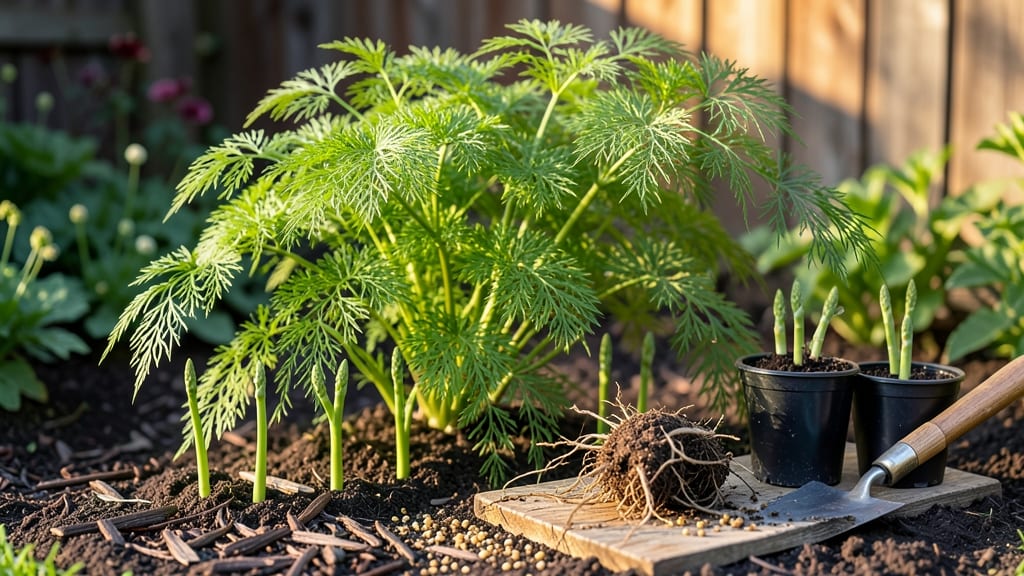
Knowing when to plant asparagus in Zone 8 is the difference between a thriving garden and years of disappointment. This hardy perennial 🌱 needs just the right timing to establish strong roots before summer’s heat kicks in—because planting too early risks frost damage, while waiting too long can stunt growth.
In Zone 8, your best window is late winter to early spring (February–March), when soil temperatures hover around 50°F and the last frost has passed. But here’s the catch: asparagus crowns planted in fall (October–November) can also succeed if soil stays workable and frost-free.
The key is avoiding soggy conditions—Zone 8’s clay-heavy soils need extra prep to drain well.
Why does timing matter so much? Because asparagus takes 2–3 years to produce spears, and rushing or delaying planting can delay your first harvest by months—or even a full season.
I’ll show you exactly how to align your schedule with Zone 8’s microclimates, from coastal breezes to inland heat, so you’re set up for decades of harvests.
Ready to skip the guesswork? Let’s break down the perfect planting strategy for your Zone 8 garden—so you can enjoy fresh spears sooner than you think.
Optimal planting windows for asparagus in Zone 8 (with exact months)
Zone 8 gardeners have two prime windows to plant asparagus: early spring (best for seeds) or early fall (ideal for crowns). The key is avoiding late frosts (typically after February 15) while ensuring soil temperatures stay above 50°F (10°C)—critical for root establishment.
For spring planting, aim for mid-February to early March when soil warms to 50-60°F (10-15°C). This gives crowns 8-10 weeks to root before summer heat arrives. Coastal Zone 8 areas (like San Diego) can plant 2-3 weeks earlier due to milder microclimates.
Fall planting offers a second chance for Zone 8 gardeners. Plant 1-year-old crowns 6-8 weeks before first frost (typically late September to early October). This allows roots to establish before winter dormancy, with harvests possible the following spring.
Soil temperature is your best guide: use a soil thermometer to confirm 50°F+ (10°C+) at 4-inch depth. Cold soil delays root growth, leading to stunted plants or poor survival rates.
Zone 8's mild winters mean asparagus won't face harsh freezes, but late spring frosts (uncommon but possible) can still damage emerging spears. Planting 3-4 weeks before last frost ensures a buffer—even if spears don't emerge immediately.
Regional adjustments matter: inland areas (like Phoenix) may plant 1-2 weeks later than coastal zones (like Los Angeles) due to hotter soil warming faster. Always check your local USDA frost map for precise dates.
🌱 Pro Tip: If you miss spring, fall planting is your next best option—but avoid planting after October 15 to prevent winter stress on young roots.
| Planting Window | Best For | Soil Temp Requirement | Zone 8 Timing | Harvest Window | |
|---|---|---|---|---|---|
| Spring | Seeds | Direct sowing | 50-60°F (10-15°C) | Mid-February to March | Year 3+ (late spring) |
| Crowns | 1-year-old roots | 50-60°F (10-15°C) | Mid-February to March | Year 3+ (late spring) | |
| Fall | Crowns | 1-year-old roots | 50-60°F (10-15°C) | Late September to October | Year 2+ (next spring) |
| Seeds | Avoid (poor survival) | N/A | Not recommended | N/A | |
🌡️ Note: Coastal Zone 8 areas can plant 2-3 weeks earlier than inland regions.
Spring-planted asparagus takes 2-3 years to produce spears, while fall-planted crowns may yield 1 year sooner—a major advantage for impatient gardeners. However, fall planting requires well-draining soil to prevent winter waterlogging.
🌱 Critical Mistake: Planting too early (before soil warms) causes root rot from cold, wet soil. Always verify soil temperature with a thermometer—don't guess!
Zone 8's extended growing season also means you can harvest asparagus for 6-8 weeks (March-May) if planted correctly. Early spring planting maximizes this window, while fall planting shifts harvests to early spring of the next year.
For maximum yield, pair your planting window with compost-amended soil and full-sun exposure. Asparagus is a perennial investment—once established, it can produce for 15-20 years with proper care.
Optimal planting windows for asparagus in Zone 8 (with exact months)
Zone 8’s mild winters and long growing season give you two prime windows to plant asparagus: early spring (February–March) or fall (October–November). Spring planting aligns with soil warming, while fall lets crowns establish roots before summer heat.
The key? Avoiding soil temps below 50°F—too cold stalls growth, too hot stresses young roots.
For spring planting, aim for 3–4 weeks before your last frost date (typically mid-February in most of Zone 8). Coastal areas like San Diego may start as early as January, while inland zones like Phoenix should wait until late February to avoid lingering frost pockets.
Use a soil thermometer—50–60°F is ideal for planting.
Fall planting works if your soil stays above freezing through winter. In Zone 8, this usually means planting by November 1st—after summer’s heat subsides but before the first frost.
The crowns will grow roots before dormancy, giving you a head start in spring. Just mulch heavily to insulate roots from winter temperature swings.
⚠️ CRITICAL TIMELINE FOR ZONE 8 ⚠️
| Season | Planting Window | Soil Temp | Zone 8 Adjustments |
|---|---|---|---|
| Spring | Feb 15–Mar 15 | 50–60°F | Coastal: Jan 20–Feb 10 |
| Fall | Oct 1–Nov 1 | 55–65°F | Inland: Oct 15–Nov 15 |
*Adjust 1–2 weeks for microclimates (e.g., valleys vs. hills).
Missed the window? Don’t panic. Asparagus crowns can sit in cool, moist peat moss for up to 2 weeks before planting. Store them in a shady, 40–50°F spot (like a garage) until soil conditions improve. Just avoid freezing—crowns will rot if exposed to temps below 32°F.
Pro tip: Plant 1-year-old crowns (not seeds) for faster harvests. They’re pre-rooted and establish in 60–90 days, compared to 2+ years for seeds. Space them 12–18 inches apart in rows 3 feet apart to allow foliage to spread without crowding.
Once planted, mulch with 2–3 inches of straw to retain moisture and suppress weeds. In Zone 8’s heat, mulch also reduces soil temp spikes that can stress young plants. Water deeply 2–3 times per week until roots establish (about 6–8 weeks
🌱 Remember: Asparagus is a perennial investment. With the right timing, your first harvest arrives in 2–3 years—and then you’ll enjoy spears for 15+ years with minimal replanting. That’s a decade of fresh, homegrown asparagus from just a few crowns!