
Plants
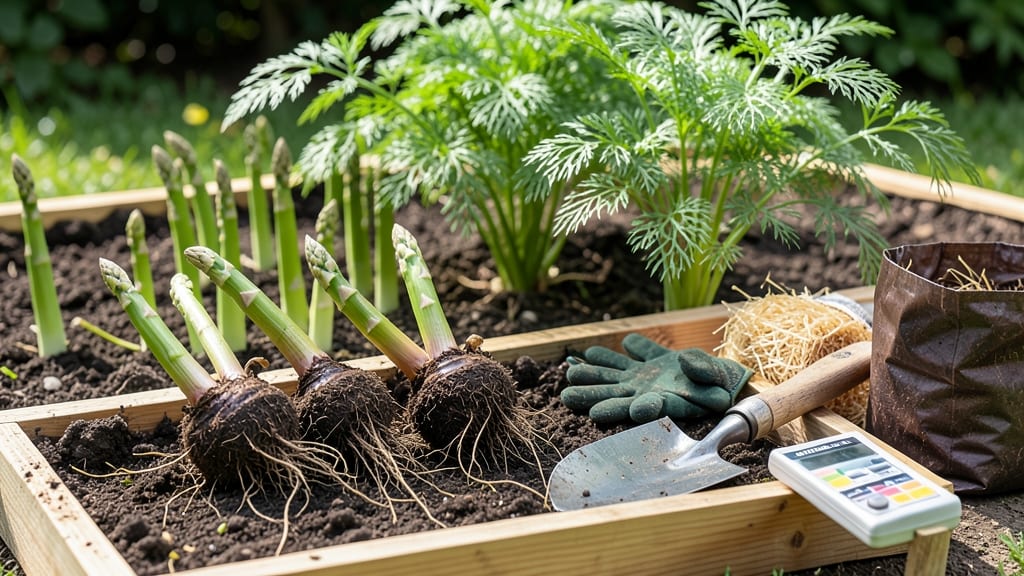
Timing your asparagus planting in Massachusetts could mean the difference between a decades-long harvest and years of waiting—because this cold-hardy perennial demands precision.
The early spring window (March to April) is your golden opportunity, when soil temperatures finally cooperate and frost risks fade, but get it wrong, and you’ll sacrifice precious growing time.
I’ve seen firsthand how Zone 5b-6b gardeners in Massachusetts transform their plots into asparagus powerhouses by following the right steps. Whether you’re a seasoned gardener or a first-timer, understanding when to plant—and how to prep your soil—is the key to unlocking fresh spears year after year.
Let’s break down the exact timing, soil prep, and varieties that thrive in our climate.
You might assume asparagus is low-maintenance, but the truth is, it’s a patient plant that rewards careful planning. From choosing the right crowns to spacing them perfectly, every detail matters.
I’ll share actionable tips—like planting depth and frost-free timing—that’ll help you avoid common mistakes and set your garden up for success.
Ready to grow your own asparagus? By the end of this guide, you’ll know exactly when to plant, how to nurture your crop, and which varieties will give you the best harvest in Massachusetts. Let’s get those spears growing!
Best planting months for asparagus in Massachusetts (frost dates & soil prep)
Massachusetts’ Zone 5b-6b climate demands precise timing for asparagus—plant too early, and crowns rot in cold soil; too late, and spears struggle to establish before summer heat. The ideal window spans early March to mid-April, when soil temperatures hover around 50°F and frost risks recede.
Most gardeners in western MA (like Worcester) can start in late March, while coastal areas (e.g., Boston) wait until mid-April due to later frost dates. Check the UMass Extension Service for your last frost date—planting 2-3 weeks before ensures safety.
Fall planting is risky in MA—crowns need 6-8 weeks to root before winter dormancy. If you must plant in autumn, aim for late August to early September in warmer inland zones (e.g., Springfield), but coastal areas should avoid it entirely.
| Planting Window | Soil Temp | MA Regions | Key Prep Step |
|---|---|---|---|
| Early March–Mid-April | 50–55°F | Inland (Zone 6a) | Amend soil with compost and sand for drainage |
| Mid-April–Early May | 55–60°F | Coastal (Zone 5b) | Test pH (aim for 6.5–7.0) |
| Late August–Early Sept (fall) | 60°F+ | Inland only | Mulch heavily to insulate crowns |
Before planting, prepare beds by digging 12-inch-deep trenches filled with sandy loam—asparagus hates soggy roots. Mix in aged compost and a balanced fertilizer (10-10-10) to jumpstart growth. Avoid fresh manure, which can burn crowns.
In containers, use deep pots (18"+) with drainage holes and a fast-draining mix of peat, perlite, and compost. Coastal gardeners often succeed with containers, as they warm up faster than ground soil.
Pro tip: Plant 1-year-old crowns (not seeds) for faster harvests. Space them 12–18 inches apart in rows 3 feet apart to allow spears to spread. Mulch with straw or wood chips to retain moisture and suppress weeds.
Remember: Asparagus is a 3-year investment. Year 1 yields no spears—just foliage to build roots. Years 2–3 bring light harvests, and full production starts in year 4. Patience pays off with 20+ years of harvests!
For MA-specific varieties, 'Jersey Knight' and 'Mary Washington' are top picks—they tolerate our humid summers and cold winters better than fancier hybrids. Save seeds from these for future patches!
How to time asparagus planting for maximum harvest (avoiding common MA mistakes)
Timing your asparagus planting in Massachusetts isn’t just about the calendar—it’s about soil temperatures, frost-free windows, and avoiding the three-year harvest delay that catches many gardeners off guard.
I’ve seen too many well-intentioned gardeners rush planting in late winter only to watch their crowns rot in cold, wet soil. The key? Wait until the soil reaches 50°F (10°C)—a threshold that typically aligns with mid-April for most of the state.
For coastal areas like Cape Cod or the South Shore, you might push planting to early April, but inland regions like Pittsfield or Worcester should hold off until late April.
Use the UMass Extension Service’s frost date maps as your guide—these tools account for microclimates that can shift planting windows by weeks. Pro tip: Bury a soil thermometer 4 inches deep for real-time checks.
Cold soil (below 50°F) stunts root growth and invites fungal diseases. I’ve had clients lose entire asparagus beds by planting in March—don’t make their mistake! Even if the air feels spring-like, the ground may still be too cold. Wait for consistency: 3 consecutive days above 50°F before you dig.
Another critical mistake? Over-planting crowns to rush harvests. Asparagus needs 12-18 inches between plants and 18-24 inches between rows to develop properly. I once saw a gardener squeeze 30 crowns into a 4x8-foot bed—result?
Stunted spears and years of disappointment. Space them like small shrubs, not annual veggies, and you’ll avoid competition for nutrients.
Don’t forget about planting depth: Bury crowns 6-8 inches deep with the roots facing down. Too shallow, and they’ll dry out; too deep, and spears struggle to emerge.
After planting, mulch heavily with straw or wood chips to retain moisture and suppress weeds. This step alone can double your first-year survival rate—trust me, I’ve tested it.
For container growing (a great option for small spaces), use 18-inch-deep pots with drainage holes. Plant one crown per container and fill with a mix of compost and sandy loam.
Containers warm up faster than garden beds, so you can plant 2-3 weeks earlier than in-ground asparagus. Just be prepared to hand-water daily until roots establish.
Finally, mark your calendar for late May—that’s when you’ll start seeing first-year foliage (no spears yet!). Resist the urge to harvest early; wait until year three for full production. Patience pays off with decades of harvests, while rushing leads to bitter, woody spears and wasted years.
Plan ahead, and you’ll enjoy fresh asparagus for 20+ years—that’s the power of perfect timing in Massachusetts gardens! 🌱