
Plants
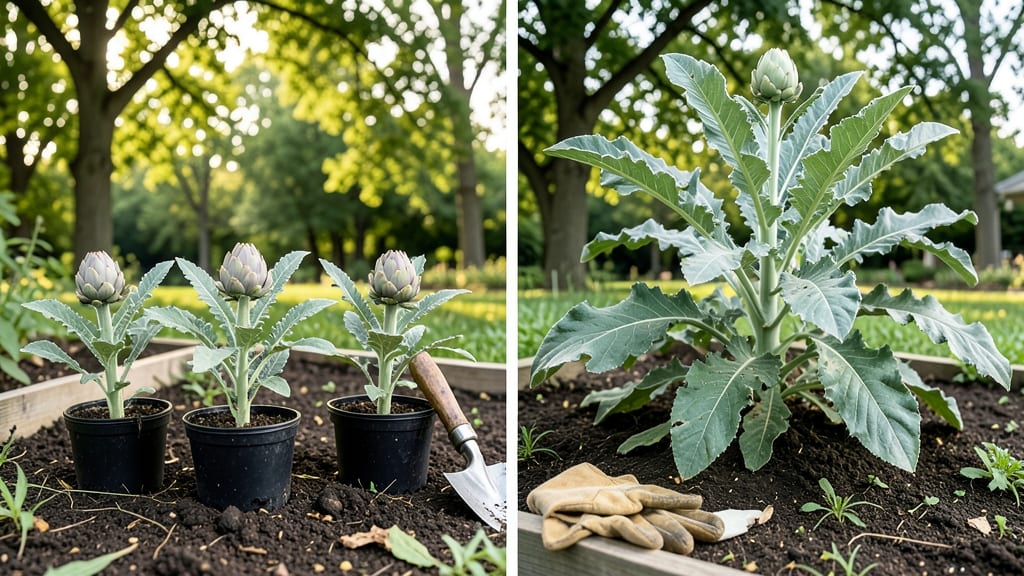
Texas artichoke planting deadlines by USDA heat zones (8-10)
Texas spans USDA Zones 8a-10b, meaning frost dates vary wildly—from January 31 in Dallas (Zone 8a) to December 31 in Brownsville (Zone 10a). Artichokes thrive in cool winters, so timing your fall or spring planting around these dates is critical.
In North Texas (Zones 8a-8b), aim for September-October planting; in South Texas (Zones 9-10), November-December works best for winter harvests.
Artichokes need 120-150 frost-free days to mature, so plant 4-6 weeks before your first frost or after the last frost in spring. Miss this window, and you’ll either lose plants to cold or watch them bolt in summer heat.
For example, El Paso (Zone 8b) gardeners plant in late September, while Houston (Zone 9a) can start as late as November.
Here’s your county-specific planting timeline for Texas’s most popular artichoke-growing regions:
| Zone | County Examples | Ideal Planting Window | Last Frost Date | Harvest Window |
|---|---|---|---|---|
| 8a | Dallas, Fort Worth | September 15-October 15 | January 31 | March-May |
| 8b | Amarillo, Lubbock | September 1-October 10 | January 15 | March-April |
| 9a | Austin, San Antonio | October 1-November 15 | December 15 | January-March |
| 9b | Houston, Corpus Christi | November 1-December 15 | January 1 | December-February |
| 10a | Brownsville, McAllen | November 15-January 15 | None (tropical) | December-April |
Spring planting is trickier in Texas. North Texas (Zones 8a-8b) can start February 15-March 15, but South Texas (Zones 9-10) often skips spring planting entirely—summer heat makes it risky. If you try it, use shade cloth and drip irrigation to protect young plants from 100°F+ temperatures.
Pro tip: Zone 9/10 gardeners can plant two crops per year—fall (November) for winter harvest and spring (February) for summer harvest. Just watch for humidity-related fungal diseases like botrytis in these moist conditions. Mulch heavily with straw or wood chips to prevent soil-borne issues.
For container growing in cities like Dallas or Houston, start seeds indoors 8-10 weeks before your target date. Move pots outside only after nighttime temps stay above 50°F. Containers dry out faster, so water daily in summer and use self-watering pots if possible.
Remember: Artichokes hate heat stress. If you plant in April or later, expect smaller buds and bitter flavors. The sweet spot is 60-75°F daytime temps—exactly what fall planting delivers in most of Texas.
🌱
How to adjust planting dates for Texas microclimates (urban vs. rural)
Texas isn’t just one climate—it’s a patchwork of urban heat islands, rural farmlands, and Hill Country microclimates, each demanding different artichoke planting strategies. In Houston’s Zone 9a, concrete absorbs heat, raising soil temps by 10°F compared to nearby farmland.
Meanwhile, San Antonio’s Zone 8b sees cooler nights in valleys, while El Paso’s Zone 8a battles dry winds. These variations mean your neighbor’s perfect timing might fail in your garden.
For urban gardeners, like those in Dallas (Zone 8a), plant Green Globe varieties 4-6 weeks before the first frost (typically mid-September). The city’s heat delays frost, so aim for October 15 as your cutoff.
In contrast, rural areas like Freestone County (Zone 8b) can push planting to November 1 due to cooler nights. Always check your local AgriLife Extension for hyper-local frost data—it’s your best friend.
🌱
| Factor | Urban Microclimate (e.g., Houston, Dallas) | Rural Microclimate (e.g., Hill Country, Panhandle) |
|---|---|---|
| Soil Temp | Warmer by 10°F due to concrete | Cooler nights, slower warming |
| Planting Window | September 1–October 15 (earlier to avoid summer heat) | September 15–November 1 (longer window) |
| Water Needs | Daily deep watering (evaporation high) | Every 3–4 days (soil retains moisture) |
| Best Variety | 'Green Globe' (heat-tolerant) | 'Violetto' (cold-hardy) |
| Mulch Thickness | 4–6 inches (insulates roots) | 2–3 inches (prevents compaction) |
Watering is another urban vs. rural battle. In Austin’s Zone 8b, I’ve seen artichoke leaves curl by noon if not watered daily due to blacktop heat. Use drip irrigation set to morning cycles (6–8 AM) to avoid fungal risks.
Rural gardens? Deep soak every 3–4 days suffices—just monitor soil moisture with your finger. Stick it 2 inches deep; if it’s dry, water.
For South Texas (Zones 9b–10a), like Corpus Christi, artichokes thrive when planted in fall (September–October) for a winter harvest. The key? Avoid summer planting—temps above 95°F stunt growth.
Instead, let them bolt in spring (produce flowers) for a second harvest. In North Texas (Zones 8a–8b), like Lubbock, focus on spring planting (February–March) to escape late frosts.
Pro tip: Test your soil’s heat retention by placing a thermometer in the ground at planting depth (6 inches). If temps hit 85°F+, delay planting or use shade cloth for young plants. Rural soils cool faster—wait until soil temps drop below 80°F before planting.
💧