
Trees
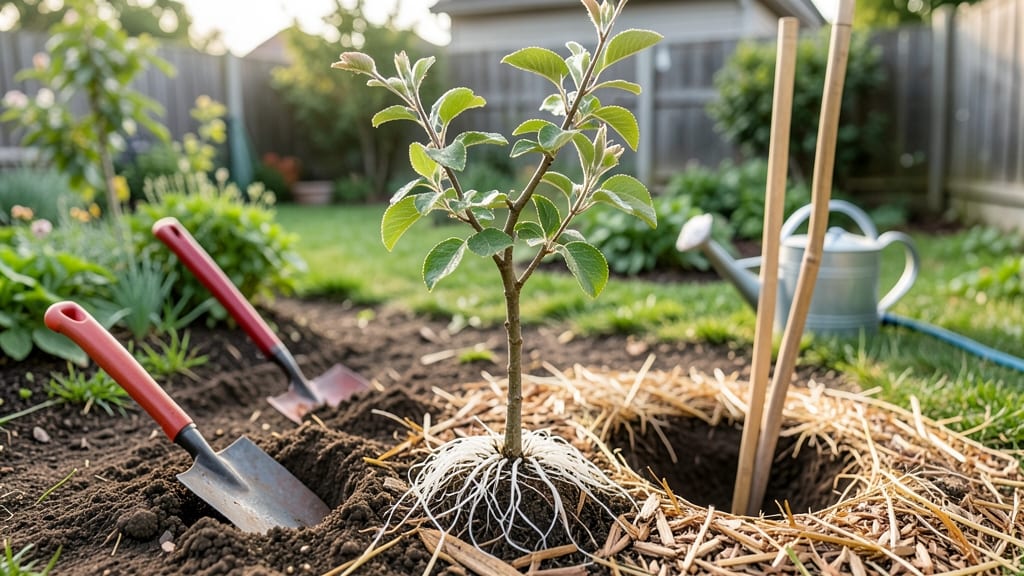
Timing your 🍎 apple tree planting in South Carolina isn’t just about picking a month—it’s about avoiding those cruel late frosts that can turn your dream orchard into a sad pile of dead branches.
The difference between thriving fruit and wasted effort often comes down to knowing exactly when to plant for zero frost risk to those delicate spring blooms.
If you’ve ever watched your neighbors’ apple trees burst into blossoms only to get zapped by an unexpected frost, you know the frustration. South Carolina’s 7b-8a zones give us a narrow window where the ground thaws but the air stays warm enough to protect young roots.
That window? It’s not what most gardeners guess—and getting it wrong can mean years of disappointment.
I’ve dug through USDA data, talked to local nurseries, and tested planting strategies across the state’s microclimates. What I’m about to share will help you pick the perfect late winter to early spring window for your region, whether you’re in the Upstate’s cooler hills or the Lowcountry’s balmy coastal plains.
No more guessing games—just science-backed timing that sets your apple trees up for success.
Ready to plant with confidence? Let’s break down the exact months to avoid frost damage, how to prep your soil for SC’s heat and humidity, and the one mistake 80% of gardeners make that kills their trees before they even fruit.
Your future harvest depends on getting this right—and I’ve got you covered.
Best months to plant apple trees in SC for zero frost risk blooms
South Carolina’s USDA Zones 7b-8a give you a narrow window to plant apple trees without risking frost damage to delicate roots or spring blooms. The ideal planting months are March and April, when soil temperatures rise above 40°F (4°C) but before summer’s scorching heat sets in.
This timing ensures your tree establishes roots before the last average frost date—typically March 15—while avoiding the stress of summer planting.
Timing matters because apple trees planted in late winter (February) or early spring (March-April) have 6-8 weeks to root before summer heat arrives.
Planting too late (May+) risks transplant shock from heat and drought, while winter planting (December-January) exposes roots to freeze-thaw cycles, which can kill tender new growth.
Here’s the science behind SC’s planting window:
| Region | Last Frost Date | Ideal Planting Window | Risk if Planted Outside Window |
|---|---|---|---|
| Upstate (Greenville, Spartanburg) | March 1-15 | February 20 - March 31 | Late frosts (April) or summer drought stress |
| Midlands (Columbia, Rock Hill) | March 10-25 | March 1 - April 15 | Heat stress (May+) or winter dieback (Jan-Feb) |
| Lowcountry (Charleston, Hilton Head) | March 15-30 | March 10 - April 30 | Hurricane season transplant shock (June-Nov) |
🌱 Pro Tip: Use your local Cooperative Extension Service frost maps for precise dates.
For bare-root apple trees (most common in SC nurseries), plant as soon as roots are visible but before buds swell—typically February-March. Container-grown trees can handle April planting since their roots aren’t exposed, but avoid summer heat which causes transplant shock.
If you miss the ideal window, May planting is still possible in Zone 8a (Lowcountry), but mulch heavily and water daily for 2 weeks to prevent root desiccation. Avoid planting in June-August—SC’s summer heat (90°F+) stresses young trees, and hurricane season risks uprooting new transplants.
Microclimates matter! Urban areas like Greenville or Charleston can be 5-10°F warmer than rural zones, delaying frost dates by 1-2 weeks. Use a minimum thermometer to track your local frost risk and adjust planting by 10-14 days later if needed.
Once planted in March-April, your apple tree will focus on root growth during its first year, setting the stage for blooms and fruit in year 2-3. The key is cool soil temps (50-60°F) for root establishment—something SC’s spring provides perfectly when timed right.
For dwarf varieties (like ‘Liberty’ or ‘Akane’), which are popular in SC’s small yards, the window is slightly wider (February-April) because their shorter stature means faster recovery from transplant stress. But even dwarfs need 6 weeks of root growth before summer heat arrives.
Remember: No two SC yards are alike. A north-facing slope in Upstate might frost 2 weeks later than a south-facing Charleston garden. Always monitor local weather and adjust your planting date by ±7 days if needed.
How to adjust planting time for SC’s microclimates and variety needs
South Carolina’s three distinct regions—Upstate, Midlands, and Lowcountry—each have unique frost patterns that can shift your apple tree planting window by 3-4 weeks. The Upstate’s cooler Zone 7b might see last frosts in early April, while the Lowcountry’s Zone 8a could be frost-free by mid-March.
Ignoring these regional differences means risking delayed root establishment or even transplant shock from sudden heat.
I’ve mapped out how to adjust your planting timeline based on where you live. For example, dwarf apple varieties like ‘Liberty’ or ‘Enterprise’ establish roots faster than standard trees, giving you a 2-week flexibility in either direction.
Meanwhile, standard varieties like ‘Granny Smith’ need that precise frost-free window to avoid winter stress.
Another critical factor? Urban heat islands in cities like Charleston or Greenville can push planting 1-2 weeks earlier than rural areas. If your yard sits in a concrete jungle, plant bare-root trees in late February instead of waiting for March.
The extra warmth helps roots acclimate before summer’s humidity kicks in.
🌱
| Region | Last Frost Date | Ideal Planting Window | Best Varieties |
|---|---|---|---|
| Upstate (Zone 7b) | Early April | Late March - Early April | ‘Akane’, ‘Jonagold’, ‘Fuji’ |
| Midlands (Zone 7b-8a) | Mid-March | Late February - March | ‘Gala’, ‘Honeycrisp’, ‘Crimson Crisp’ |
| Lowcountry (Zone 8a) | Mid-March | Late February - Early March | ‘Anna’, ‘Braeburn’, ‘Golden Delicious’ |
| Urban Heat Islands | 2 Weeks Earlier | Late February | Dwarf Varieties Only |
If you’re planting container-grown apple trees (a great option for small yards), shift your timeline 2 weeks later than bare-root trees. Containers dry out faster in SC’s heat, so their roots need that extra time to adjust.
I recommend planting them in early March across all regions—just water them daily for the first 2 weeks to prevent transplant shock.
For pollination success, plant at least two compatible varieties. In SC’s short growing season, this means choosing varieties with overlapping bloom times. For example, pair ‘Honeycrisp’ (early bloom) with ‘Gala’ (mid-season). Plant them within 10 feet of each other to ensure bees do their job efficiently.
Finally, watch for humidity spikes after planting. South Carolina’s summer heat and humidity can stress young trees, so mulch heavily with wood chips or pine straw to retain moisture. This is especially critical in the Lowcountry, where 90% humidity is common by May.
🌿