
Planting
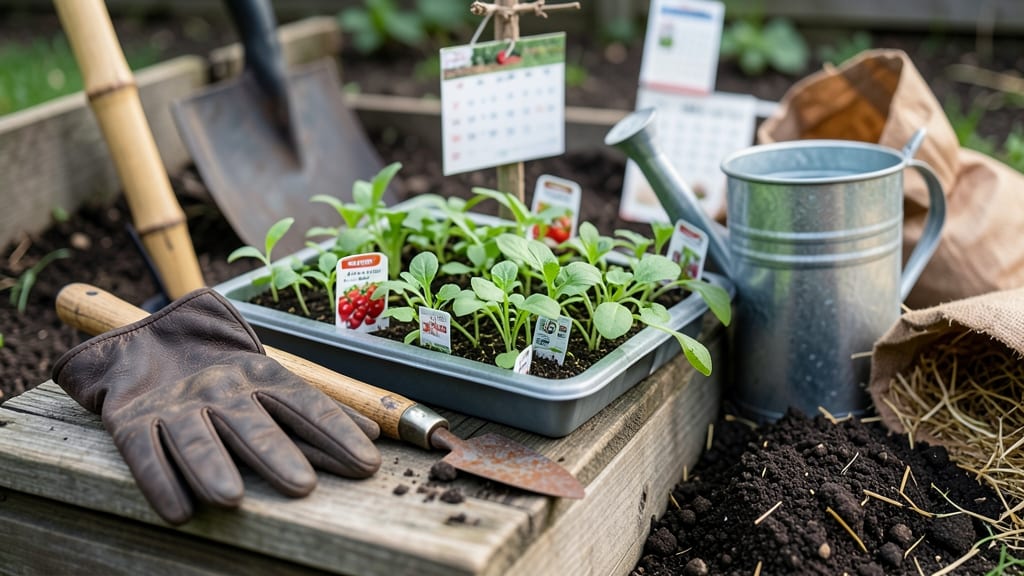
Timing your vegetable garden in Pennsylvania isn't just about luck—it's about mastering the perfect planting window to beat frost, heat, and unpredictable weather.
Whether you're in the cool mountains of the Poconos or the warmer valleys near Philadelphia, getting those seeds in the ground at the right moment means the difference between a thriving harvest and a sad, wilted disappointment.
I've spent years watching gardens flourish (and fail) across Pennsylvania's six USDA zones, and the key isn't guessing—it's knowing when to start cool-season crops like lettuce or when to hold off on tomatoes until the soil warms up.
The average last frost date shifts dramatically from zone 4a in the north to zone 7a in the south, and missing that window by even a week can throw off your entire growing season.
What you'll discover here are the exact planting schedules tailored to your corner of Pennsylvania, including how to adjust for those tricky microclimates where a late frost can still sneak in.
We're talking about practical tips like using row covers for early starts or choosing heat-tolerant varieties when summer arrives early—strategies that have helped gardeners from Pittsburgh to Allentown maximize their harvests.
Ready to turn your backyard into a productive vegetable oasis? Let's dive into the science behind Pennsylvania's planting calendar and give your garden the best possible start this spring.
Pennsylvania frost dates by hardiness zone: when to start planting vegetables
Pennsylvania spans USDA hardiness zones 4a-7a, creating dramatic differences in frost dates from the Poconos (zone 4a) to the Delaware Valley (zone 7a). These zones dictate when to plant cool-season crops like spinach and warm-season favorites like tomatoes.
In zone 4a, last spring frost averages April 20-30, while zone 7a sees frost-free conditions by March 15-25.
Your planting schedule hinges on these dates: cool-season crops thrive when planted 4-6 weeks before last frost, while warm-season crops need soil temperatures above 50°F (10°C). For example, in zone 5b (common in Pittsburgh), you can plant lettuce in early April but wait until mid-May for tomatoes.
Here’s how to use this zone-specific planting guide: First, identify your zone using the USDA Plant Hardiness Map. Then, match your last frost date to the planting windows below. Remember, microclimates (like urban heat islands or sheltered valleys) can shift these dates by 1-2 weeks.
| Zone | Avg. Last Frost | Cool-Season Planting | Warm-Season Planting | Key Crops |
|---|---|---|---|---|
| 4a (Poconos, NE PA) | April 20-30 | March 15-April 1 | May 15-June 1 | Peas, Spinach, Broccoli, Tomatoes |
| 5a (State College, Harrisburg) | April 10-20 | March 1-April 10 | May 1-May 15 | Lettuce, Carrots, Peppers, Zucchini |
| 5b (Pittsburgh, Allentown) | April 1-10 | February 28-March 15 | April 25-May 10 | Radishes, Kale, Eggplant, Green Beans |
| 6a (Lancaster, Reading) | March 25-April 5 | February 15-March 1 | April 15-April 30 | Onions, Swiss Chard, Okra, Cucumbers |
| 7a (Philadelphia, Delaware) | March 15-25 | January 31-February 15 | April 1-April 15 | Collards, Sweet Potatoes, Basil, Melons |
For zone 4a-5a, extend your growing season with row covers or cold frames to plant spinach and peas as early as February. In zone 6a-7a, you can even sow warm-season crops like cucumbers in early April if you use black plastic mulch to warm the soil.
Pro tip: Use Penn State Extension’s frost date calculator for your exact location. Even within a zone, elevations can shift frost dates by 1-2 weeks. For example, State College (zone 5a) might frost 2 weeks later than nearby mountain towns.
Warm-season crops like tomatoes and peppers need soil temperatures above 60°F (15°C). In zone 4a, this often means waiting until late May, while zone 7a gardeners can plant in early April. Always check soil temp with a soil thermometer—
Best vegetables to plant in Pennsylvania by season: timing for maximum yield
Pennsylvania’s four distinct seasons create perfect opportunities for year-round vegetable gardening. Cool-season crops like spinach and peas thrive in early spring and fall, while tomatoes and peppers need summer’s warmth. The key? Matching each plant to its ideal planting window for maximum yield and flavor.
In Zone 5b-6a (most of PA), early spring planting begins as soon as soil reaches 40°F. For Zone 4a (northwest PA), wait until soil warms to 45°F to avoid frost damage. Southern PA’s Zone 7a enjoys a longer growing season, allowing for two full harvests of many vegetables.
🌱 Seasonal Planting Guide for PA Vegetables
- 🌱 Early Spring (March-April): Peas, spinach, lettuce, kale, radishes, potatoes
- ☀️ Late Spring (May): Broccoli, cabbage, carrots, beets, onions, garlic
- 🔥 Summer (June-July): Tomatoes, peppers, cucumbers, corn, beans, squash
- 🍂 Fall (August-September): Kale, carrots, Brussels sprouts, turnips, lettuce
For warm-season vegetables, use succession planting every 2-3 weeks from May through July. This ensures a steady harvest of bush beans, zucchini, and summer squash. In cooler zones, opt for fast-maturing varieties like 'Early Girl' tomatoes (55 days) or 'Cherry Belle' radishes (25 days).
Extend your season with row covers or cold frames to plant spinach and lettuce as early as February in Zone 6a-7a.
In Zone 4a, start these crops indoors in March for transplanting after the last frost. Peppers and eggplants need warm soil—wait until after Memorial Day in most of PA to plant them outdoors.
Fall planting is just as critical! Broccoli and cabbage planted in August will mature before winter frost. Use mulch to protect roots from temperature swings. Garlic can even be planted in October for a summer harvest—just cover it with straw mulch to survive winter.
Pro tip: Check Penn State Extension’s frost date maps annually, as microclimates (like urban heat islands) can shift planting windows by 1-2 weeks. Adjust for your specific location to avoid bolting lettuce or stunted tomatoes.