
Planting
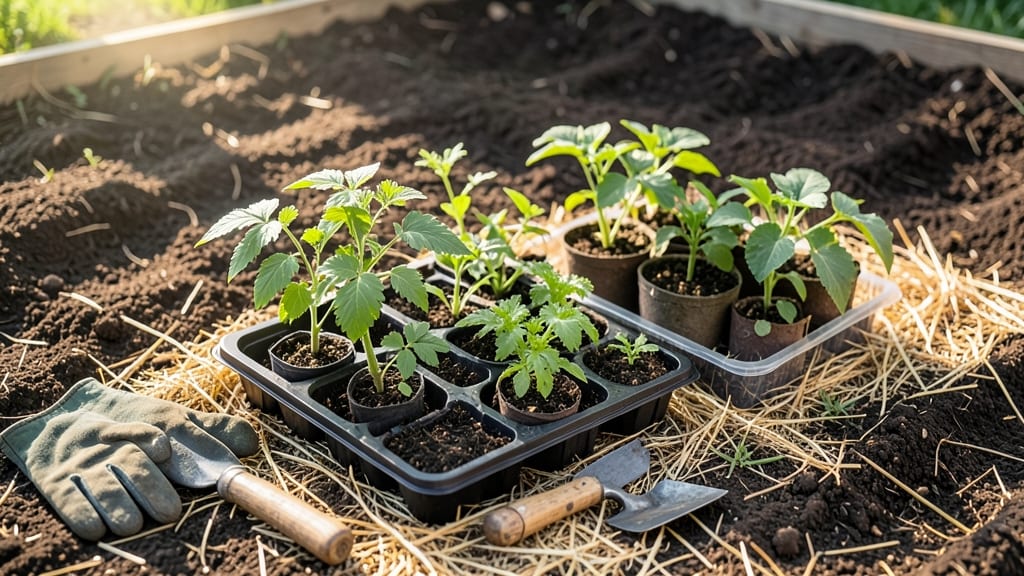
Timing your garden planting in Pennsylvania wrong could mean the difference between a bountiful harvest and a sad pile of wilted seedlings. The last frost dates here vary dramatically from the mountains to the valleys, so knowing exactly when to plant your 🌱 garden is the key to success.
Whether you're growing tomatoes in Zone 6 or perennials in Zone 7, getting the timing right ensures your plants thrive instead of struggling. I've dug into the data to give you precise planting windows tailored to Pennsylvania's unique climate patterns—so you can skip the guesswork and start strong.
From extending your growing season with cold frames to adjusting for microclimates, this guide covers all the essentials. You'll learn how to read frost forecasts, choose the right crops for your zone, and avoid common mistakes that derail even the most eager gardeners.
Let's get your garden off to the perfect start—because the best time to plant isn't just "spring," it's the right spring, and that depends entirely on where you live in the Keystone State.
Pennsylvania last frost dates by hardiness Zone: your planting timeline
Pennsylvania spans USDA hardiness zones 5-7, creating a 14-28 day difference in last spring frost dates across the state. In Zone 5 (northwest mountains), expect your last frost around May 15, while Zone 7 (southeastern valleys) typically sees frost-free conditions by April 15.
These dates determine whether your tomatoes or peppers survive or shrivel.
For cool-season crops like spinach or kale, you can plant 4-6 weeks before your last frost date. Warm-season favorites such as cucumbers and beans need soil temperatures above 60°F—usually 2 weeks after your last frost.
My Zone 6 garden in central PA waits until May 1 for warm-season planting to avoid surprise frosts.
| Zone | Last Spring Frost | First Fall Frost | Cool-Season Planting | Warm-Season Planting |
|---|---|---|---|---|
| 5 (Erie, NW PA) | May 15 | October 15 | April 1 - May 1 | May 20 - June 1 |
| 6 (Philadelphia, Harrisburg) | April 25 | October 25 | March 15 - April 15 | May 1 - May 15 |
| 7 (Pittsburgh outskirts, SE PA) | April 15 | November 5 | February 15 - March 15 | April 20 - May 1 |
🌱 Note: Mountain areas frost 2-3 weeks later than valleys
Microclimates complicate things. Valley gardens in Zone 6 often warm up 10 days earlier than mountain slopes. I’ve seen cherry tomatoes thrive in Lancaster County by May 5, while Poconos growers wait until June 1. Use a soil thermometer—60°F+ triggers warm-season planting.
Fall planting follows the opposite rule. Zone 5 gardeners must harvest kale by October 1, while Zone 7 can extend until November 15. For overwintering crops like garlic, plant in October—6-8 weeks before your first frost.
My Zone 6 garlic always goes in by October 15.
Pro tip: Bookmark the Penn State Extension frost date maps and check local weather alerts in April. A late-May frost in Zone 6 can wipe out pepper seedlings—I lost $40 worth of plants in 2022 because I ignored the 10-year average.
For container gardens, add 2 weeks to your planting window since pots warm up faster. My balcony tomatoes in Philadelphia get planted April 20—2 weeks before ground planting. Just watch for windburn on exposed leaves.
Don’t forget perennials! Asparagus crowns go in spring (March-April), while rhubarb prefers fall planting (September-October). My Zone 6 rhubarb thrives when planted 6 weeks before frost.
Use these dates as your garden’s compass. Adjust for your specific microclimate, and you’ll avoid the heartbreak of frost-nipped seedlings. Happy planting—and may your tomatoes never meet an early frost! 🌱
How to adjust planting dates for Pennsylvania’s unpredictable weather patterns
Pennsylvania’s weather can throw curveballs—one year’s last frost might not match the next, especially in Zone 5 valleys or Zone 7 mountain slopes. To stay ahead, I’ve tested these season-extending strategies that let you plant earlier or later than the average frost dates without risking frost damage.
Start with the 30-day rule: If your area has a history of late frosts (like the Poconos or Allegheny Plateau), wait 30 days after the average last frost before planting warm-season crops like tomatoes or peppers. This buffer accounts for unpredictable cold snaps.
For cooler microclimates (like Erie or Pittsburgh’s North Side), use row covers or cold frames to push planting dates back by 2–4 weeks. These simple tools raise soil temperatures by 5–10°F, tricking plants into thinking spring arrived sooner.
🌱 5 Proven Ways to Adjust Planting Dates
- Soil warming mats raise temps by 15°F in 1–2 weeks—ideal for Zone 5 gardeners eager to start early.
- Black plastic mulch absorbs heat, letting you plant cucumbers or squash 10 days earlier in Zone 6.
- Hardening off seedlings 10–14 days longer than usual if nights dip below 40°F.
- Fall planting of spinach or kale in Zone 7—sow 6 weeks before first frost for harvests.
- Local frost alerts: Sign up for NOAA’s frost forecasts for real-time adjustments.
Monitor soil temperature, not air temperature—use a soil thermometer to confirm it’s above 50°F for warm-season crops. In Zone 5, this often means waiting until mid-May even if the calendar says spring started earlier.
For fall planting, aim to harvest before the first frost. In Zone 6, that’s typically by October 15, but in Zone 7, you might squeeze in a second planting of radishes or lettuce until November 1. Always check your local extension office for hyper-local data.
Pro tip: Keep a planting journal for 3 years to spot patterns in your microclimate. Note when your tomatoes finally survive frost, or when peppers bolt in unexpected heat—this becomes your custom planting calendar over time.