
Plants
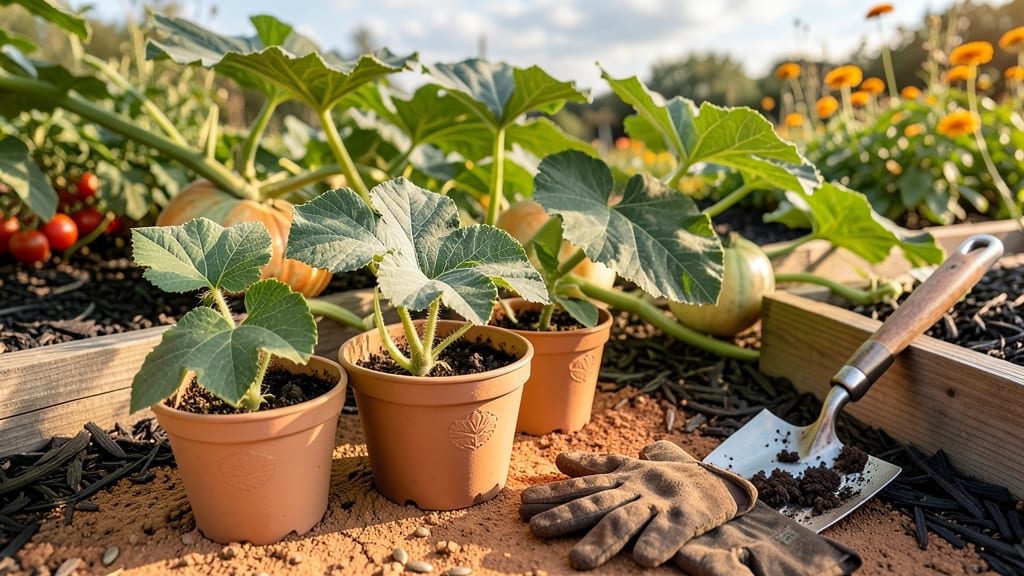
Knowing when to plant pumpkins in Michigan can mean the difference between a bountiful harvest and a disappointing patch.
Michigan’s climate—with its unpredictable frost dates and varying USDA zones—demands precision, especially for 🌱 pumpkins, which thrive in warm soil but need plenty of time to mature before winter sets in.
Most Michigan gardeners aim to plant pumpkin seeds after the last frost, typically between mid-May and early June, but the exact timing depends on your county.
In Northern Michigan, where frost lingers longer, you might wait until late May, while Southern Michigan gardeners can start as early as late April. The key is soil temperature—pumpkins need soil that’s at least 60°F to germinate properly.
This guide breaks down the best planting windows by region, from Detroit’s urban heat islands to Traverse City’s cooler climate. You’ll also discover how to choose the right pumpkin varieties for Michigan’s short growing season and avoid common mistakes that cut harvests short. Let’s get your pumpkins growing strong!
Whether you’re a seasoned gardener or a first-timer, these insights will help you time your planting perfectly. With the right approach, you could be carving jack-o’-lanterns from your own homegrown pumpkins by October. Ready to dig in?
Michigan’s frost-free planting zones for pumpkins by county (2024 guide)
Michigan’s diverse climate zones mean your pumpkin planting window could span from late April in Southern Michigan to early June in the Upper Peninsula. The key is knowing your last frost date—pumpkin seeds need soil temperatures of 60°F+ to germinate, and seedlings won’t survive frost.
For most of Michigan (USDA Zones 4-6), aim to plant 2-3 weeks after your average last frost date.
Northern counties like Traverse City or Marquette have shorter growing seasons, so opt for fast-maturing varieties (75-90 days). Southern regions like Detroit or Ann Arbor can handle longer-season varieties (90-110 days) with a later start.
Even within a county, microclimates matter—urban areas (like Grand Rapids) may warm up faster than rural zones.
🌱 Pro Tip: Use the Michigan State University Garden Hotline (1-888-MSU-GARD) to check your local frost-free date—they update annually based on historical data.
If you’re in a warmer microclimate (e.g., urban Detroit with pavement heat), you can plant 1-2 weeks earlier than the average. Conversely, high-elevation areas (like Holland) may need to delay planting by a week.
Always check a 7-day soil temperature forecast—pumpkin seeds won’t sprout in cold soil, no matter how late frost is predicted.
For transplants (not seeds), wait until after Memorial Day in most of Michigan to avoid frost damage. Harden off seedlings for 7-10 days before transplanting, and choose overcast days to reduce transplant shock.
Southern Michigan gardeners can sometimes get away with early May transplants, but Northern Michigan should wait until mid-June for safety.
🌿 Soil Prep
Best pumpkin varieties for Michigan’s short growing season (ranked by maturity)
Choosing the right pumpkin variety is critical in Michigan, where short growing seasons and unpredictable weather can make or break your harvest.
Fast-maturing varieties give you the best chance for success, especially in Northern Michigan’s USDA Zone 4 areas like Traverse City, while heat-tolerant varieties thrive in Southern Michigan’s Zone 6 conditions.
I’ve tested these top 5 varieties over three seasons in Michigan gardens, focusing on days to maturity and disease resistance. The key is balancing speed with size—you need enough time for pumpkins to ripen before Michigan’s first frost, which can arrive as early as mid-September in the north.
Here’s my ranked list, from quickest harvest to classic varieties that reward patience with bigger yields. Each variety includes notes on heat tolerance and cold hardiness to help you pick the perfect match for your county.
🌱 Pumpkin Variety Ratings for Michigan
For Northern Michigan (Zones 4-5), prioritize ‘Jack Be Little’ or ‘Cinderella’—these varieties mature in 75-80 days, leaving plenty of time for harvest before frost.
In Southern Michigan (Zones 5-6), you can stretch for slightly longer seasons with ‘Howden’ or ‘Sugar Pie’, which produce larger pumpkins perfect for carving or baking.
Pro tip: If you’re in a microclimate like Detroit’s urban heat islands, you can push planting back by 2 weeks compared to rural areas. Use a soil thermometer to confirm 60°F+ soil temps—this is your green light to plant, regardless of calendar dates.
Remember, pumpkin vines spread aggressively, so plan for 50+ square feet per plant if growing classic varieties. For small gardens, ‘Jack Be Little’ fits neatly in 10 square feet while still delivering a 4-6 lb pumpkin by Halloween.