
Plants
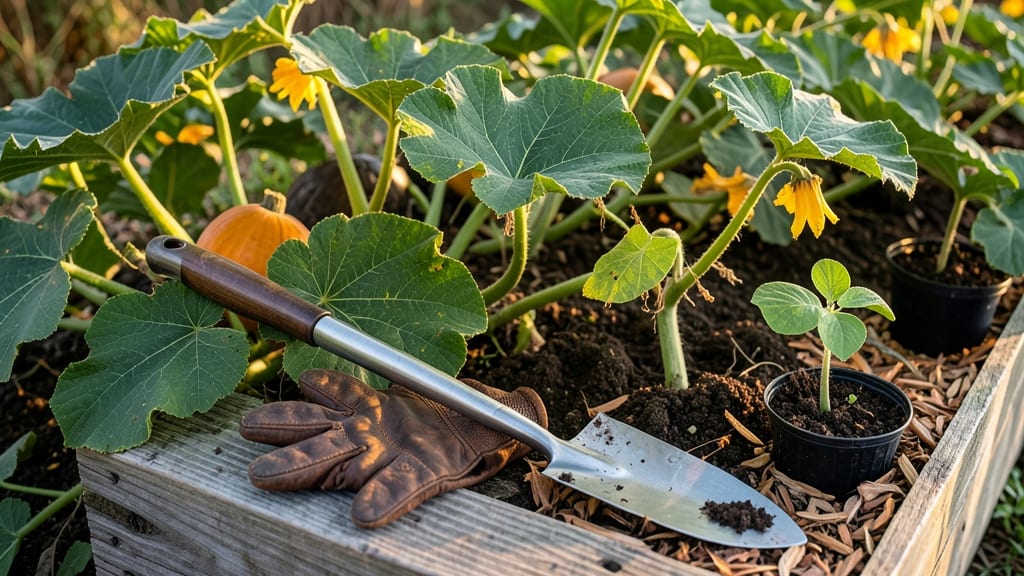
Timing your pumpkin 🎃 planting in Missouri isn’t just about throwing seeds into the ground—it’s about unlocking a harvest that’ll make your neighbors jealous. With Missouri’s USDA zones 5b-6a, you’ve got a solid window, but planting too early risks frost damage, while waiting too long cuts your yield short.
Most gardeners in Missouri swear by mid-April to early May as the sweet spot—right after the last frost (usually around April 15). But here’s the catch: soil temperature matters more than the calendar. Your pumpkins need 60°F+ soil to germinate, so don’t rush—wait for that warm-up.
I’ll break down the best varieties for Missouri’s climate, how to adjust for unpredictable weather, and even pro tips like using row covers to extend your season. Whether you’re growing jack-o’-lanterns or giant squash, this guide ensures you’re planting at the perfect moment for maximum success.
Ready to turn your garden into a pumpkin patch? Let’s dive into the exact dates, soil prep secrets, and variety recommendations that’ll give you a harvest to brag about—no guesswork required.
Missouri pumpkin planting calendar: exact dates by variety for frost-free success
Missouri’s last frost date typically falls between April 15–May 15, but this varies across regions. Kansas City often sees frost later than St. Louis, so adjust your planting schedule accordingly.
For frost-free success, aim to plant pumpkins when soil temperatures reach at least 60°F, usually by mid-April in southern Missouri and late April in northern areas. This timing ensures healthy germination and strong vine growth before summer heat sets in.
Pumpkins need a 90–120-day growing season to mature, so late starts risk immature harvests. Giant pumpkin varieties (like Atlantic Giant) demand the full 120 days, while small carving types (e.g., Jack Be Little) can thrive in as few as 75 days.
Missouri’s USDA Zones 5b–6a support both, but timing is critical—especially for heirlooms prone to powdery mildew in humid summers.
🎃 Missouri Pumpkin Planting Guide
| Variety Type | Ideal Planting Window | Days to Harvest | Missouri Notes |
|---|---|---|---|
| Carving (e.g., Jack Be Little) | Mid-April to early May | 75–90 days | Compact vines; great for small gardens. |
| Winter Squash (e.g., Sugar Pie) | Late April to early June | 90–100 days | Tolerates cooler soils; store well. |
| Giant (e.g., Atlantic Giant) | Early May (soil ≥65°F) | 110–120 days | Needs warm soil; stake vines for support. |
| Bush (e.g., Howden) | Mid-April to late May | 85–95 days | Space-efficient; resists mildew better. |
For extended harvests, consider planting two batches: one in mid-April for early fall pumpkins and another in late May for late-season varieties.
This strategy helps spread out labor and ensures a steady supply of pumpkins for carving, baking, or selling. Southern Missouri gardeners can push planting to early June for short-season varieties like Cinderella, but avoid late starts in northern regions where first frost arrives by mid-October.
Missouri’s humid summers demand proactive care. Plant seeds in mounds (not flat beds) to improve drainage and reduce blossom-end rot. Space mounds 4–6 feet apart to accommodate sprawling vines, and use black plastic mulch to warm soil faster and suppress weeds.
This method also helps prevent fungal diseases common in Missouri’s wet springs.
Soil preparation is key: Test your soil’s pH (ideal range: 6.0–6.8compost or aged manure before planting. Phosphorus-rich fertilizers (like 10-10-10) at planting time encourage strong root systems, while potassium boosts disease resistance. In sandy soils (common in western Missouri), add organic matter to retain moisture and nutrients.
If you’re starting seeds indoors, begin 4–6 weeks before your target outdoor planting date. Use biodegradable pots to avoid transplant shock and harden off seedlings by placing them outdoors for 2–3 hours daily starting 10 days before transplanting.
This gradual exposure helps seedlings adapt to Missouri’s variable weather, reducing stress from sudden temperature swings.
Monitor local weather forecasts closely in April–May, as late frosts can still occur. If frost threatens after seedlings emerge, cover them with frost cloth or a row cover.
For extra protection, use a cold frame to extend the growing season by 2–3 weeks, especially useful for northern Missouri gardeners. This technique also helps warm soil faster in chilly springs.
By following these region-specific dates and soil temperature guidelines, you’ll maximize your chances of a bountiful pumpkin harvest. Whether you’re growing miniature carving pumpkins or record-breaking giants, Missouri’s climate rewards gardeners who plan ahead and adapt to local conditions. 🎃
How to adjust pumpkin planting dates for Missouri’s unpredictable weather patterns
Missouri’s weather can be as unpredictable as a toddler’s mood—one day it’s warm, the next it’s a frosty surprise. If you’ve ever had your pumpkin seedlings nipped by late frost or struggled with heatwaves stunting growth, you’re not alone.
The key? Flexibility. Adjusting your planting dates based on weather forecasts and soil conditions can save your harvest.
Start by monitoring local frost alerts from sources like the National Weather Service. If frost is predicted after your ideal planting window, consider using row covers or a cold frame to protect early seedlings.
These tools can extend your growing season by 2–4 weeks, giving you a head start before summer heat sets in.
🚨 CRITICAL INSIGHT: Soil temperature is your real deadline, not the calendar. Use a soil thermometer to confirm it’s 60°F+ before planting. Cold soil delays germination, leaving your pumpkins vulnerable to late frosts.
If your soil is still chilly, opt for transplanting instead of direct sowing—you can buy young plants from nurseries once the risk of frost passes.
⚠️ Warning: Late Frost Risks
Howden and Cinderella varieties are more resilient to late frosts than delicate heirlooms. If frost threatens after planting, cover seedlings with frost cloth or a lightweight blanket—but remove it by midday to prevent overheating.
Avoid planting if nighttime temps dip below 50°F for more than 2–3 days. Cold stress weakens seedlings, making them prone to disease and poor growth.
For gardeners in northern Missouri (zones 5b), aim to plant by May 1 to ensure a full harvest before the first frost in mid-October. In southern Missouri (zones 6a), you’ve got a little more wiggle room—late April to early May works well.
But here’s the catch: heatwaves can stunt growth if planted too late.
If you’re dealing with drought conditions, prioritize drought-tolerant varieties like Autumn Gold or Jack Be Little. These varieties mature faster and require less water once established. Always water deeply in the morning to encourage strong root growth—shallow watering leads to weak vines and smaller pumpkins.
Pro tip: Plant a second crop in early June if your first attempt failed due to frost or poor soil conditions. Succession planting ensures you’ll have at least some pumpkins to harvest, even if the first batch struggles.
Just be sure to choose fast-maturing varieties (like Small Sugar) for this late start.
Missouri’s humid summers also mean you’ll need to watch for powdery mildew and blossom end rot. Space your pumpkins 4–6 feet apart for airflow, and mulch around the base to retain moisture and suppress weeds.
With these adjustments, you’ll beat the odds and enjoy a bountiful harvest—no matter what Mother Nature throws your way. 🌱