
Plants
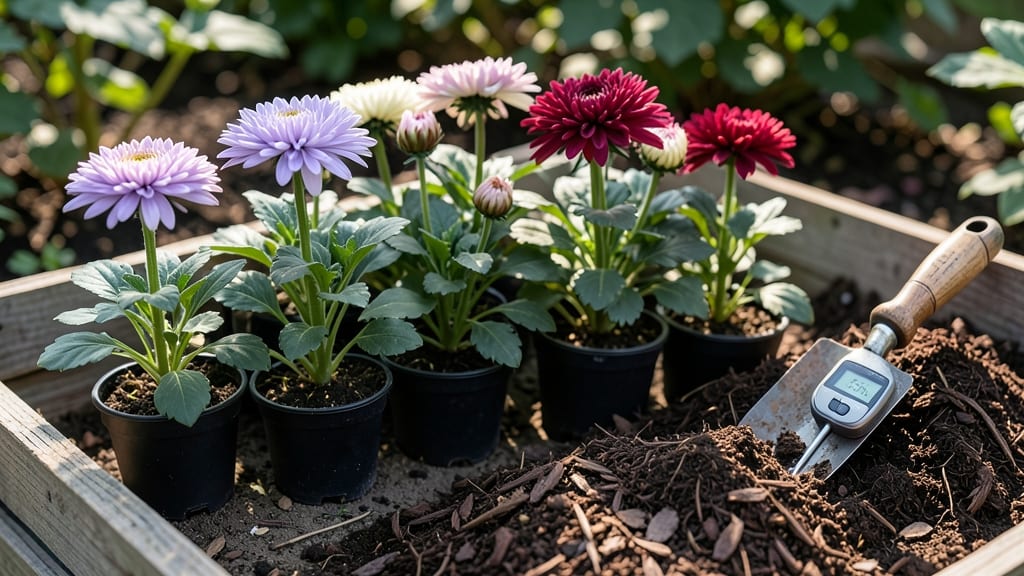
When should you plant mums in the ground? Timing your mums 🌼 perfectly means the difference between a vibrant fall display and struggling plants that barely survive winter. If you plant too early, they’ll bolt or rot; too late, and frost will nip them before they even take root. The exact window depends on your zone—but for most gardeners in Zone 6a, the magic happens 4-6 weeks before frost, typically in late summer.
You might think spring is the best time to plant, but mums thrive when cooled soil and shortening days signal them to bloom. Fall planting gives roots time to establish before winter, while spring plantings often struggle with heat stress.
For cold-hardy varieties, this means late August or early September in many regions—but your local frost date is the real deadline.
Whether you’re working with bare-root starts, potted plants, or even cuttings, preparation matters just as much as timing. Amending your soil with compost and choosing a spot with full sun sets the stage for success.
I’ll walk you through the zone-specific steps to ensure your mums not only survive but thrive through their first winter—and beyond.
Let’s break down the exact months by zone, plus the soil checks and care tips that’ll keep your mums blooming year after year. No more guesswork—just beautiful, hardy flowers that make fall your garden’s star season.
Exact months to plant mums by USDA hardiness zone
Planting mums (chrysanthemums) at the right time ensures vibrant fall blooms and survival through winter. The best window is 4-6 weeks before your first frost, but exact months vary by USDA hardiness zone.
For example, Zone 3-4 gardeners should plant in late August to early September, while Zone 7-8 can wait until mid-October. Soil temperature matters more than calendar dates—aim for 60-65°F for optimal root growth.
Cold-hardy varieties like 'Conrad Ferdinand Meyer' thrive in Zones 3-5 and can handle early fall planting, even if frost is near. In contrast, tender mums (common garden-center types) need 6-8 weeks of warm soil to establish roots before winter.
Always check your last frost date—planting too late risks weak roots that won’t survive cold snaps.
Here’s a quick guide to avoid common mistakes: Never plant mums in spring in cold zones—they’ll bolt to flower prematurely. And avoid soggy soil after planting, as waterlogged roots rot quickly. Instead, mulch with 2-3 inches of straw to insulate roots and retain moisture.
Pro Tip: If your soil is still warm in late fall, delay planting until temps drop below 70°F. Use a soil thermometer to check—this prevents leggy growth and encourages strong root systems.
| USDA Zone | Ideal Planting Window | Soil Temp Threshold | Cold-Hardy Varieties | Key Tip |
|---|---|---|---|---|
| 3-4 | Late August – Early September | 55-60°F | 'Hardy Gold', 'Conrad Ferdinand Meyer' | Mulch heavily after planting |
| 5-6 | Mid-August – Mid-September | 60-65°F | 'Dynamite', 'Bonanza Series' | Water deeply 2x/week after planting |
| 7-8 | Late September – Early October | 65-70°F | 'Medallion', 'Sahin' | Plant in partial shade to avoid heat stress |
| 9-10 | October – Early November | 70-75°F | 'Misty', 'Sea Shells' | Use slow-release fertilizer at planting |
For Zone 9-10, you can even plant mums in early spring (February-March) for winter blooms, but this requires regular watering to prevent drought stress. In Zones 3-5, focus on late-summer planting—this gives roots time to harden off before winter.
If you miss the window, container-grown mums can be planted 2-3 weeks later than bare-root types.
One common mistake is assuming all mums are cold-hardy. Many garden-center mums are bred for potted displays and won’t survive winter outdoors. Always check the variety label—look for terms like "hardy" or "winter-flowering".
If in doubt, opt for heirloom or perennial mums, which are bred to re-bloom yearly with minimal care.
After planting, water deeply once a week for the first month to encourage root growth. Avoid overhead watering, which can spread fungal diseases like powdery mildew.
Instead, use a soaker hose or water at the base of the plant in the morning. This keeps foliage dry and reduces disease risk.
If you’re in a transition zone (e.g., Zone 6b), err on the side of earlier planting. Unpredictable late frosts can damage tender new growth. For extra protection, cover plants with burlap after the first frost or apply a 3-inch layer of mulch around the base.
This mimics the natural insulation of a forest floor and helps roots survive 20°F temps.
Remember: Mums planted too late may still bloom but will be smaller and weaker the following year. The earlier you plant, the more vigorous your mums will be—so mark your first frost date and count backward 6 weeks for the perfect timing.
With the right variety and care, your mums will reward you with months of color and years of reliability.
🌼
Exact months to plant mums by USDA hardiness zone
Planting mums at the wrong time can turn your fall garden dreams into winter casualties. The best window depends on your USDA zone and local frost dates. For most gardeners, late summer to early fall is ideal—typically 4-6 weeks before frost.
But if you’re in Zone 3 or Zone 8+, the timing shifts dramatically. Let’s break it down by zone so you plant with confidence.
Cold-hardy varieties like 'Conrad Ferdinand Meyer' or 'Hardy Bonanza' thrive when planted early enough to establish roots before winter. In Zones 3-5, aim for late August to mid-September, while Zones 6-7 can plant until early October.
Warmer zones (8+) often plant in fall or even early spring, but avoid heatwaves that stress young plants.
| Zone | Ideal Planting Window | Soil Temp Threshold | Cold-Hardy Varieties |
|---|---|---|---|
| 3-4 | Late August - Early September | 55-65°F | 'Conrad Ferdinand Meyer', 'Hardy Gold' |
| 5-6 | Mid-August - Mid-September | 60-65°F | 'Hardy Bonanza', 'Dynamite' |
| 7-8 | Late July - Early October | 65-70°F | 'Medallion', 'Vantage' |
| 9-10 | Fall or Early Spring | 70-75°F | 'Pactola', 'Sahin' |
Soil temperature is just as critical as the calendar. Mums need cool but not cold soil—ideally between 60-65°F. Use a soil thermometer to check before planting. If your soil is still warm (above 70°F), wait a week or two.
In Zones 3-5, early planting lets roots establish before winter, while Zones 7-10 can stretch planting into early fall or even spring.
Pro tip: If you miss the fall window, spring planting is possible—but only in Zones 7+. Plant in early spring (March-April) and keep soil moist until roots establish. For colder zones, spring plantings often fail due to heat stress before blooming.
Once you’ve nailed the timing, prep your soil with compost and ensure well-draining conditions. Mums hate soggy roots, so amend heavy clay or sandy soil with organic matter. After planting, mulch with 2-3 inches of straw to retain moisture and protect roots from temperature swings.
With the right timing and care, your mums will reward you with vibrant fall blooms and year-after-year reliability. Next, we’ll cover how to tell if your soil is truly ready—and what to do if it’s not.