
Plants
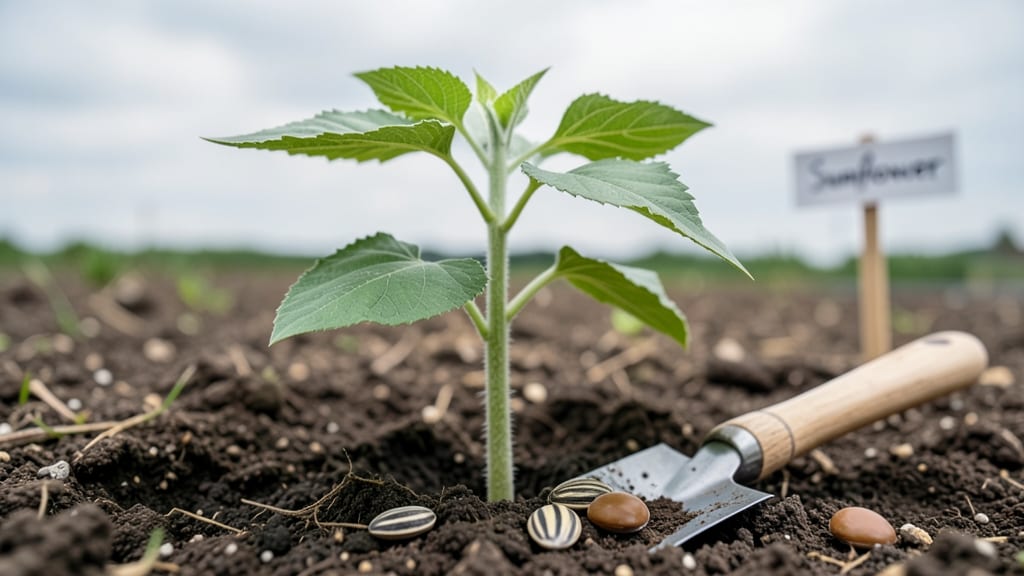
Planting sunflower seeds in Florida might seem simple, but timing is everything—especially when you want those towering 🌻 blooms instead of bitter stems. Skip the guesswork by planting when soil temps hit 60°F+, and you’ll unlock a fast-growing season that Florida’s warm climate makes perfect.
Most gardeners in USDA zones 9a-11 swear by two ideal windows: spring’s February-April or late summer’s August-September. But here’s the catch—North Florida’s cooler pockets need a slightly later start than South Florida’s heat.
Let’s break down the exact soil temps and regional tweaks to avoid bolting and maximize your harvest.
Why does timing matter so much? Sunflowers bolt (prematurely flower) when stressed by heat or cold, leaving you with smaller blooms or no seeds at all.
I’ll show you how to read your soil’s temperature cues, choose the right varieties for Florida’s humidity, and even use shade cloth to trick your plants into growing taller—not faster.
Ready to grow sunflowers that reach 10+ feet tall without the frustration? By the end of this guide, you’ll know exactly when to plant, how to prep your soil, and which tricks keep your 🌻 thriving all season long—no more wasted seeds or bitter surprises.
Best planting months in Florida based on exact soil temperature requirements
Florida’s frost-free climate makes sunflowers a year-round possibility—but soil temperature dictates the difference between bolting (premature flowering) and towering blooms. Unlike northern states, Florida’s USDA zones 9a-11 mean you can plant sunflowers in two distinct windows: spring and late summer.
The key? Waiting until soil hits 60°F+ for germination and 70°F+ for rapid growth.
North Florida’s cooler winters (especially near Jacksonville and Gainesville) may see light frosts in December-January, so I recommend holding off until March for spring plantings. Meanwhile, South Florida (from Miami to Key West) can start as early as February, thanks to warmer soil year-round.
Central Florida (Orlando, Tampa, Lakeland) sits in the middle—ideal for February-April plantings. But here’s the catch: if you plant too early (like January in Central Florida), slow soil warming can trigger bolting before the plant reaches its full height.
Always test your soil with a soil thermometer before sowing.
🌱 Florida Sunflower Planting Guide by Region
| Region | Best Planting Months | Soil Temp Threshold | Avoid Planting |
|---|---|---|---|
| North Florida (Jacksonville, Gainesville) | March–April | 60°F+ (15°C+) | January–February (risk of frost) |
| Central Florida (Orlando, Tampa) | February–April | 65°F+ (18°C+) | January (slow germination) |
| South Florida (Miami, Key West) | February–March | 70°F+ (21°C+) | Never (year-round possible) |
| Late Summer Window (All Regions) | August–September | 75°F+ (24°C+) | October (hurricane season risk) |
💡 Pro Tip: Use a soil thermometer ($10 at garden centers) to check temps 2–3 inches deep before planting. If it’s below 60°F, wait 1–2 weeks.
For late summer plantings (August–September), Florida’s heat is actually an advantage. Soil temps naturally rise to 75°F+, which speeds up germination. This window works for tall varieties like Russian Giant or Mammoth, but avoid planting after mid-September—hurricane season can uproot young seedlings.
If you’re growing dwarf varieties (like Teddy Bear or Sunspot) for containers, you can push the envelope slightly. These tolerate cooler soil (55°F+) and even partial shade, making them ideal for January plantings in South Florida or protected microclimates (like near heat-retaining walls).
One mistake I see often? Planting sunflowers in wet, heavy clay soil after heavy rains. Florida’s humidity and summer downpours can cause seed rot. Always sow in well-draining soil or raised beds to prevent fungal issues. A quick fix: mix in compost or perlite before planting.
For container growing, Florida’s urban gardeners can plant sunflowers year-round in 5-gallon pots, but remember: containers dry out faster in our heat. Water deeply every 2–3 days and use a moisture meter to avoid overwatering. I’ve had success with self-watering pots in Miami’s 90°F+ summers.
Finally, don’t overlook shade cloth for late-summer plantings. If temps hit 95°F+, young seedlings can bolt or develop sunscald on leaves. A 30–50% shade cloth during the hottest hours (11 AM–3 PM) keeps them happy until they’re established.
🌻 Ready to plant? Grab your soil thermometer, pick your region’s window, and watch those 6-foot stalks (or 12-foot giants) reach for the sky!
How to avoid bolting: Florida-specific tips for sunflower seed success
Bolting—when sunflowers flower too early—turns your towering dreams into bitter stems. In Florida’s heat, this happens when seeds face temperature spikes or stress. The key? Controlled conditions and variety selection tailored to Florida’s climate.
First, choose bolting-resistant varieties like 'Moulin Rouge' (dwarf, heat-tolerant) or 'Autumn Beauty' (multi-bloom, slower to bolt). Avoid tall varieties like 'Russian Giant' unless you’re planting in late summer when days shorten naturally.
Here’s how to prevent bolting in Florida’s extreme conditions:
⚠️ Florida-Specific Bolting Triggers
- Soil temps above 85°F → Use shade cloth (30-50%) during peak afternoon sun.
- Inconsistent watering → Water deeply every 2-3 days (morning only).
- Overcrowding → Space seeds 6-12 inches apart (taller varieties need more room).
- Nutrient stress → Avoid high-nitrogen fertilizer; use balanced 5-10-10 sparingly.
Pro Tip: Mulch with straw or pine needles to keep soil temps stable.
For spring plantings (Feb-Apr), start seeds indoors under grow lights to harden off seedlings before transplanting. Florida’s humidity can cause fungal issues—water at the base and avoid wetting leaves.
If you’re planting in late summer (Aug-Sept), take advantage of Florida’s shorter daylight to delay bolting. Choose short-day varieties like 'Teddy Bear' (compact, 2-3 ft tall) for containers or small gardens.
Monitor your sunflowers closely: yellowing leaves or premature buds signal stress. Adjust shade or water immediately. With the right care, you’ll skip the bitter stems and enjoy edible seeds and vibrant blooms all season.
🌱