
Trees
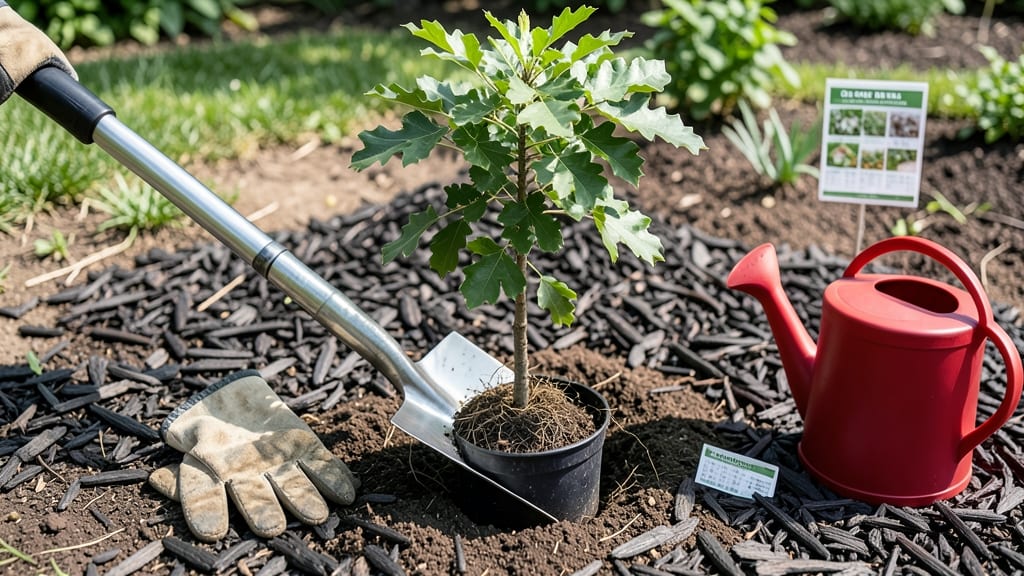
Knowing when is the best time to plant trees in Oklahoma could mean the difference between a thriving 🌳 and a struggling one—especially with Oklahoma’s shifting frost dates and soil conditions.
The wrong timing can leave your new tree vulnerable to frost damage, drought stress, or poor root establishment, while the right window gives it the best shot at long-term success.
For most of Oklahoma’s 6b-7a zones, late winter to early spring (February-March) and fall (October-November) are the golden windows—but there’s more to it than just the calendar.
Soil temperature plays a critical role: roots need to establish before summer heat or winter frost hits, and clay-heavy soils in central Oklahoma require extra prep to avoid waterlogging.
Whether you’re planting a drought-resistant redbud in the Panhandle or a towering oak in Tulsa, I’ll break down the exact timing for your region, plus soil prep secrets and species-specific tips.
Let’s get your tree off to the best possible start—because a well-timed planting means decades of shade, beauty, and even wildlife benefits.
Ready to skip the guesswork? I’ll walk you through the step-by-step process, from checking frost-free dates to choosing the right tree for your Oklahoma microclimate. Your future shade provider is waiting—let’s make sure it gets the perfect start.
Oklahoma’s ideal tree planting window by soil temperature & frost dates
Oklahoma’s diverse climate zones—ranging from USDA Zone 6b in the Panhandle to Zone 7a in the southeast—mean the perfect time to plant trees varies by region. The golden window for planting is when soil temperatures stay above 50°F and before the first frost.
For most of Oklahoma, this means late winter to early spring (February–March) or fall (October–November).
In northern Oklahoma, where frost lingers until mid-April, aim for March–April planting. Meanwhile, southern Oklahoma can plant as late as mid-November before winter sets in. The key is avoiding extreme heat or cold, which stress young roots.
Always check your local frost dates—Oklahoma City’s last frost is around March 15, while Tulsa’s is slightly later, around March 20.
🌳 Oklahoma’s Frost-Free Planting Calendar
| Region | USDA Zone | Last Frost | First Frost | Ideal Planting Months |
|---|---|---|---|---|
| Northern OK (Panhandle) | 6b (-5°F) | March 15 | November 5 | March–April, October |
| Central OK (Oklahoma City) | 7a (0°F) | March 20 | November 15 | February–March, October–November |
| Southeastern OK (Tulsa) | 7b (5°F) | March 25 | November 20 | February–April, October–December |
| Western OK (Clayton, Altus) | 6b–7a | March 10 | November 10 | March–April, September–October |
Fall planting is often preferred because cooler temperatures reduce transplant shock, and trees focus on root growth instead of leaf production. However, bare-root trees (like oaks or maples) should be planted in early spring to avoid winter dormancy.
Always water deeply after planting—15–20 gallons for small trees—to help roots establish in the top 12 inches of soil.
Soil temperature is just as critical as frost dates. Use a soil thermometer to confirm temperatures are consistently above 50°F before planting. In clay-heavy soils (common in central Oklahoma), amending with compost or sand improves drainage and root penetration.
For sandy soils in western Oklahoma, add organic matter to retain moisture.
If you’re planting in urban areas (like Oklahoma City or Tulsa), consider container-grown trees—they adapt better to compacted soil and can be planted year-round, though spring or fall still yields the best results.
Always stake young trees in windy areas, especially in the Panhandle, where gusts can exceed 30 mph and uproot shallow roots.
For fast-growing shade trees like sycamores or hackberries, spring planting is ideal. Cold-hardy species (e.g., redbuds or serviceberries) thrive when planted in fall, giving roots time to establish before winter. Avoid planting tropical species (like citrus) in Oklahoma—they won’t survive our freezing winters.
Instead, opt for native varieties like eastern red cedar or American elm, which are adapted to Oklahoma’s drought and temperature swings.
Pro tip: Mulch heavily (3–4 inches of wood chips or straw) after planting to retain moisture and regulate soil temperature. Keep mulch 6 inches away from the trunk to prevent rot.
In drought-prone western Oklahoma, mulch reduces water loss by up to 30%, making the difference between survival and failure for young trees.
Timing isn’t just about frost—it’s also about rainfall patterns. Oklahoma’s spring rains (March–May) help new plantings, while fall’s gradual cooling minimizes stress. Plan ahead: bare-root trees are best planted in late winter, while container-grown trees can go in until mid-November in southern regions.
Always check your local nursery’s recommendations—they know the microclimates that affect your specific area.
One final rule: Never plant trees in extreme heat (above 90°F). Roots can’t absorb water efficiently, leading to wilting or death. If you must plant in summer, do it in early morning or late evening and shade the root ball until transplanting.
For most Oklahomans, fall remains the safest bet—just don’t wait too late!
Oklahoma’s ideal tree planting window by soil temperature & frost dates
Oklahoma’s diverse climate zones (6b-7a) mean your planting window depends on whether you’re in Tulsa’s humid east or the dry Panhandle. The golden rule: aim for when soil temps hit 50°F+ and stay there—roots need warmth to establish.
In most regions, this lands in late winter (February-March) or fall (October-November), but exact dates shift by 5-10 days depending on elevation and microclimates.
Fall planting is my top recommendation for Oklahoma because trees establish roots before winter without competing with summer heat. Spring planting works too, but rush it, and you risk late frost damage—especially in western OK, where frost can linger until mid-April.
Let’s break down the exact timing for your corner of the state.
🌱 PRO TIP: Use a soil thermometer to confirm temps before planting—don’t guess! Most Oklahoma nurseries sell them for under $15.
| Region | USDA Zone | Ideal Planting Window | Last Frost Date | Soil Temp Threshold |
|---|---|---|---|---|
| Eastern OK (Tulsa, OKC) | 7a | Oct 15–Nov 15 or Feb 15–Mar 15 | Mar 1–15 | 50°F+ |
| Central OK (Stillwater, Lawton) | 7a-6b | Oct 1–Nov 10 or Feb 10–Mar 10 | Mar 10–25 | 50°F+ |
| Western OK (Amarillo, Panhandle) | 6b-5b | Sep 20–Oct 15 or Mar 1–Apr 10 | Apr 1–15 | 55°F+ (cooler soils) |
Notice how western Oklahoma’s window shifts later? That’s because cooler soils and later frosts delay planting. If you’re in the Panhandle, avoid planting before September 20—soil stays too cold, and roots won’t activate. Meanwhile, eastern OK can handle November plantings because milder winters reduce frost risk.
For container-grown trees, you’ve got more flexibility—plant anytime soil isn’t frozen, but avoid extreme heat (July-August) when roots can bake in clay-heavy soils. Bare-root trees, however, must go in during dormancy (late fall or early spring) to minimize transplant shock.
One non-negotiable rule: Don’t plant when the ground is frozen or waterlogged. Test with your finger—if it’s harder than a cookie, wait. Oklahoma’s clay soils (especially in central OK) can turn to concrete after rain, suffocating roots. Amend with compost or sand if needed.
Ready to pick your perfect tree? Next, we’ll dive into Oklahoma’s top species—from fast-growing willows to drought-proof mesquite—and how to match them to your planting window for maximum success. 🌳