
Plants
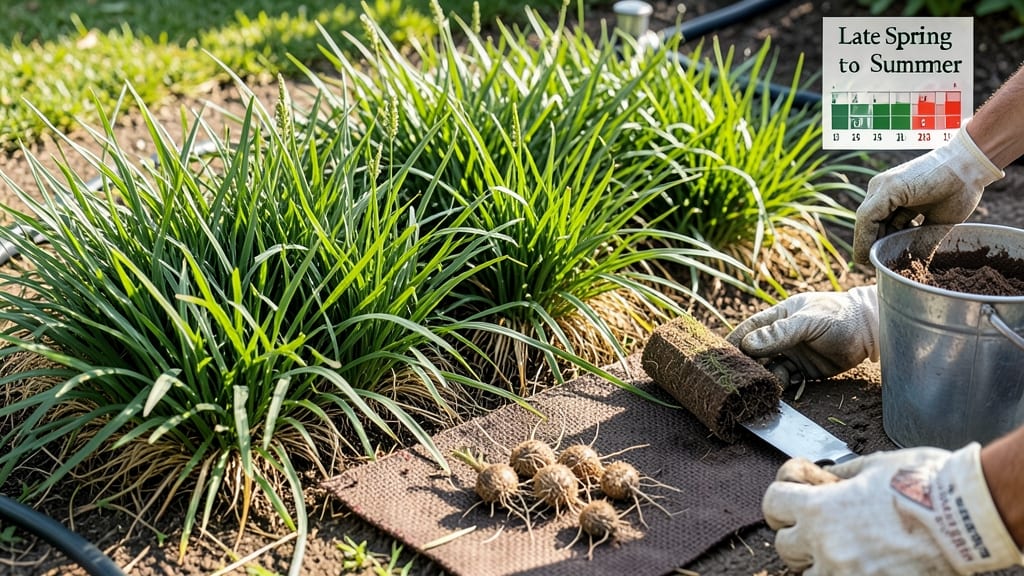
Optimal planting windows for St. augustine grass in Texas: spring vs. fall deadlines
Timing your St. Augustine grass planting in Texas is crucial—this grass thrives in warm-season conditions but wilts under extreme heat or frost. The two best windows are early spring (March-April) and late summer/early fall (August-September), when temperatures are mild and rainfall is reliable.
Planting outside these windows often leads to heat stress, poor root establishment, or even death.
Texas' diverse climate zones—from North Texas (cooler winters) to South Texas (warmer year-round)—require tailored timing. For example, North Texas homeowners should wait until after the last frost (typically mid-March), while South Texas can plant as early as February due to milder winters.
Missing these windows risks slow growth or brown patches from summer drought.
Why avoid summer planting? St. Augustine grass struggles with high temperatures above 90°F, which causes heat shock and shallow root systems. Even if you plant in June, the grass may not recover before winter. Fall planting (August-September) gives roots time to establish before cooler weather arrives, ensuring a thicker, greener lawn by spring.
Here’s how Texas’ three regions differ in ideal planting times:
| Region | Best Spring Window | Best Fall Window | Avoid Planting When | Key Temperature Threshold |
|---|---|---|---|---|
| North Texas (Dallas, Fort Worth) | March 15–April 30 | August 15–September 15 | May–July (heat stress risk) | Soil temp: 65–75°F |
| Central Texas (Austin, San Antonio) | February 28–April 15 | August 1–September 10 | June–August (extreme heat) | Soil temp: 70–80°F |
| South Texas (Houston, Corpus Christi) | February 15–March 31 | July 15–August 31 | September–April (frost risk) | Soil temp: 75–85°F |
🌡️ Pro Tip: Use a soil thermometer to confirm temps are in the ideal range before planting.
For North Texas, aim for spring planting (March-April) to capitalize on spring rains and avoid summer drought. In Central Texas, fall planting (August-September) is ideal because it allows roots to establish before winter chill sets in.
Meanwhile, South Texas homeowners can plant as early as February due to its warmer winters, but must finish by August to avoid hurricane season disruptions.
If you miss the ideal windows, don’t panic—St. Augustine grass can be planted year-round in Texas, but growth will be slower and maintenance higher. For example, planting in late summer (June-July) requires extra watering and shade cloth to protect seedlings from intense sun.
Conversely, planting in late fall (October-November) risks frost damage before roots take hold.
To maximize success, test your soil 2–4 weeks before planting to ensure pH levels (6.0–7.5) and drainage are optimal. Clay soil, common in Texas, can suffocate roots—amend it with compost or sand to improve aeration.
Additionally, choose sod over seed for faster results, especially in hotter months like June or July.
Remember: Consistent watering (1–1.5 inches per week) is non-negotiable after planting. Without it, your St. Augustine grass will struggle to establish, no matter how perfect the timing. Start with daily watering for the first 2 weeks, then taper to every other day as roots grow.
By following these region-specific deadlines and pre-planting prep steps, you’ll give your St. Augustine lawn the best shot at thriving—no matter where you are in Texas.
The key is patience: spring and fall planting may take longer to see results, but the payoff is a lush, low-maintenance lawn that outshines summer-planted grass.
🌱
Optimal planting windows for St. augustine grass in Texas: spring vs. fall deadlines
St. Augustine grass thrives in Texas' warm climate, but timing your planting is critical to avoid heat stress or poor root establishment. The best windows are early spring (March-April) and early fall (August-September), when temperatures are mild and rainfall is more consistent.
North Texas has slightly earlier deadlines than South Texas due to cooler nights.
In North Texas (USDA Zones 8a-8b), aim to plant by April 15 for spring or September 15 for fall. South Texas (Zones 9a-10b) can extend these windows until May 1 and October 15, respectively. Planting outside these windows risks summer heat shock or fall frost damage.
Here's how Texas regions compare for optimal planting:
| Region | Spring Window | Fall Window | Key Consideration |
|---|---|---|---|
| North Texas | March 15 - April 15 | September 1 - September 15 | Avoid April heat spikes |
| Central Texas | March 1 - April 30 | August 15 - October 1 | Monitor for late frosts |
| South Texas | February 15 - May 1 | August 1 - October 15 | Extended growing season |
Never plant during summer months (June-August)—St. Augustine grass struggles with temperatures above 95°F. The roots can't establish properly, leading to brown patches and thin growth. Even late summer plantings should be done before August 15 in North Texas to avoid early heat stress.
For fall plantings, focus on August-September when soil temperatures remain above 70°F but nights begin cooling. This 6-8 week window before first frost gives roots time to establish before winter dormancy. Use a soil thermometer to confirm temperatures stay above 65°F during the day.
Pro tip: If you must plant outside these windows, use shade cloth during the first 30 days to protect young grass from intense Texas sun. Water deeply twice daily (morning and evening) until roots establish—typically 4-6 weeks after planting. 🌱